Finance ministers from the Group of Seven (G7) nations met in Banff, Canada, aiming to ease tensions over U.S. President Donald Trump’s tariffs and preserve global economic cooperation. Despite broader disputes, the G7 focused on shared concerns including Ukraine support, China’s non-market practices, and financial crime.
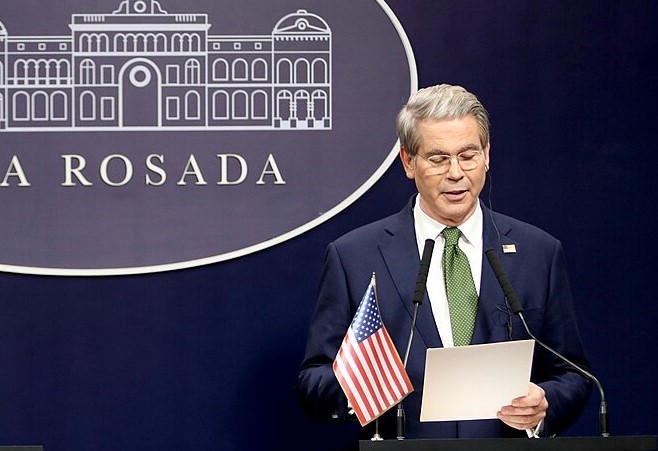
U.S. Treasury Secretary Scott Bessent characterized the meetings as productive, highlighting improved diplomatic tone compared to 2018, when Trump’s tariffs fractured talks. This year, tariffs are more expansive, but G7 ministers attempted to find compromise with Bessent, who was described by European officials as “flexible” and willing to engage.
However, divisions remain. The U.S. opposed language calling Russia’s invasion of Ukraine “illegal,” while Italy pushed to block companies aiding Russia from postwar reconstruction contracts. G7 delegates also debated lowering the $60 price cap on Russian oil, with the EU advocating tighter sanctions.
Bessent’s stance emphasizes U.S. priorities: stricter measures against China’s trade subsidies and reluctance to endorse any communique not aligned with Washington’s goals. Meanwhile, Japan and the U.S. agreed their current dollar-yen exchange rate reflects economic fundamentals, though no specific currency targets were discussed.
Trump’s global trade stance continues to weigh on allies. Japan, Germany, France, and Italy may face U.S. tariffs exceeding 20% by July. Britain still bears 10% duties on most goods, and Canada contends with separate 25% tariffs.
Despite uncertainty over a final joint statement, participants stressed the importance of constructive dialogue. Germany’s Finance Minister Lars Klingbeil and Bessent agreed to continue talks in Washington, signaling efforts to stabilize G7 relations amid mounting global economic pressures.
By balancing cooperation with national interests, the G7 seeks to maintain relevance in shaping global trade and financial policy.