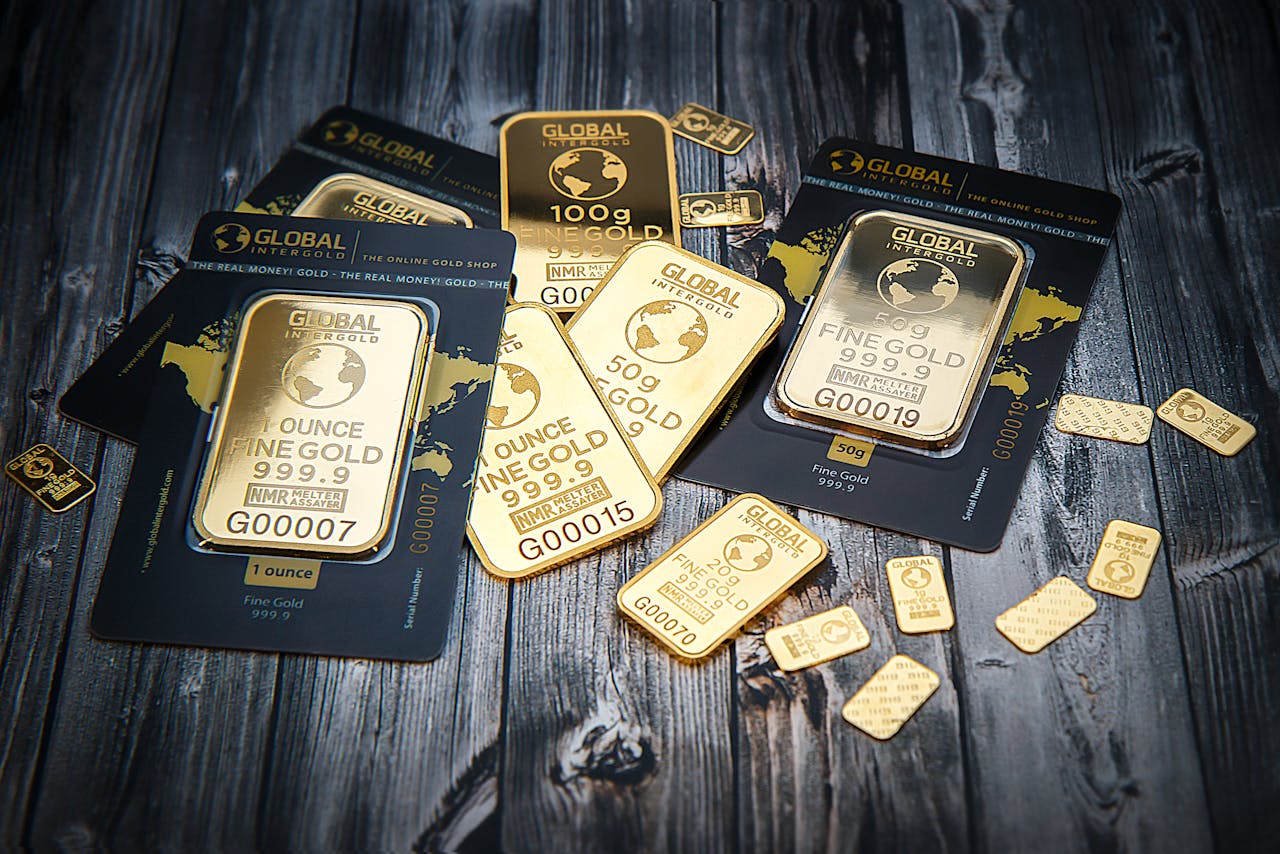
Gold prices stabilized on Friday but remained on track for their steepest weekly decline since early June, as rising tensions between the United States and Iran fueled higher oil prices and strengthened expectations that the Federal Reserve will keep interest rates elevated.
Spot gold (XAU/USD) edged up 0.1% to $3,978.77 per ounce, while U.S. gold futures slipped 0.3% to $3,982.17. Despite the slight rebound, bullion has fallen roughly 3.4% this week as investors shifted toward the U.S. dollar and other yield-generating assets.
The latest selling pressure followed fresh U.S. strikes on Iranian targets after an attack damaged an oil tanker near Iran’s main export terminal. The ongoing conflict has kept crude oil prices elevated, increasing concerns that rising energy costs could reignite inflation and delay any Federal Reserve interest rate cuts.
Higher oil prices could complicate the Fed’s inflation fight by keeping consumer prices above the central bank’s target. That outlook has supported Treasury yields and the U.S. dollar, reducing demand for non-yielding assets such as gold.
Although recent U.S. consumer and producer inflation reports indicated easing underlying price pressures, markets remain focused on the inflationary impact of higher energy costs rather than backward-looking economic data.
Federal Reserve officials have continued to strike a cautious tone, emphasizing that inflation remains too high to justify policy easing. Fed Chair Kevin Warsh, Governor Christopher Waller, and New York Fed President John Williams have all indicated that policymakers need several more months of subdued inflation data before considering interest rate cuts.
IG senior market analyst Tony Sycamore said gold’s inability to rally after softer-than-expected CPI and PPI data reflects weak near-term momentum. He noted that support around the late-June low of $3,942 remains critical. A break below that level could open the door to the October 2025 low near $3,886, while a move above resistance around $4,140 would strengthen the bullish technical outlook.
For now, gold continues to trade near the key $4,000 level, with investors closely watching geopolitical developments, oil prices, inflation trends, and future Federal Reserve policy signals.