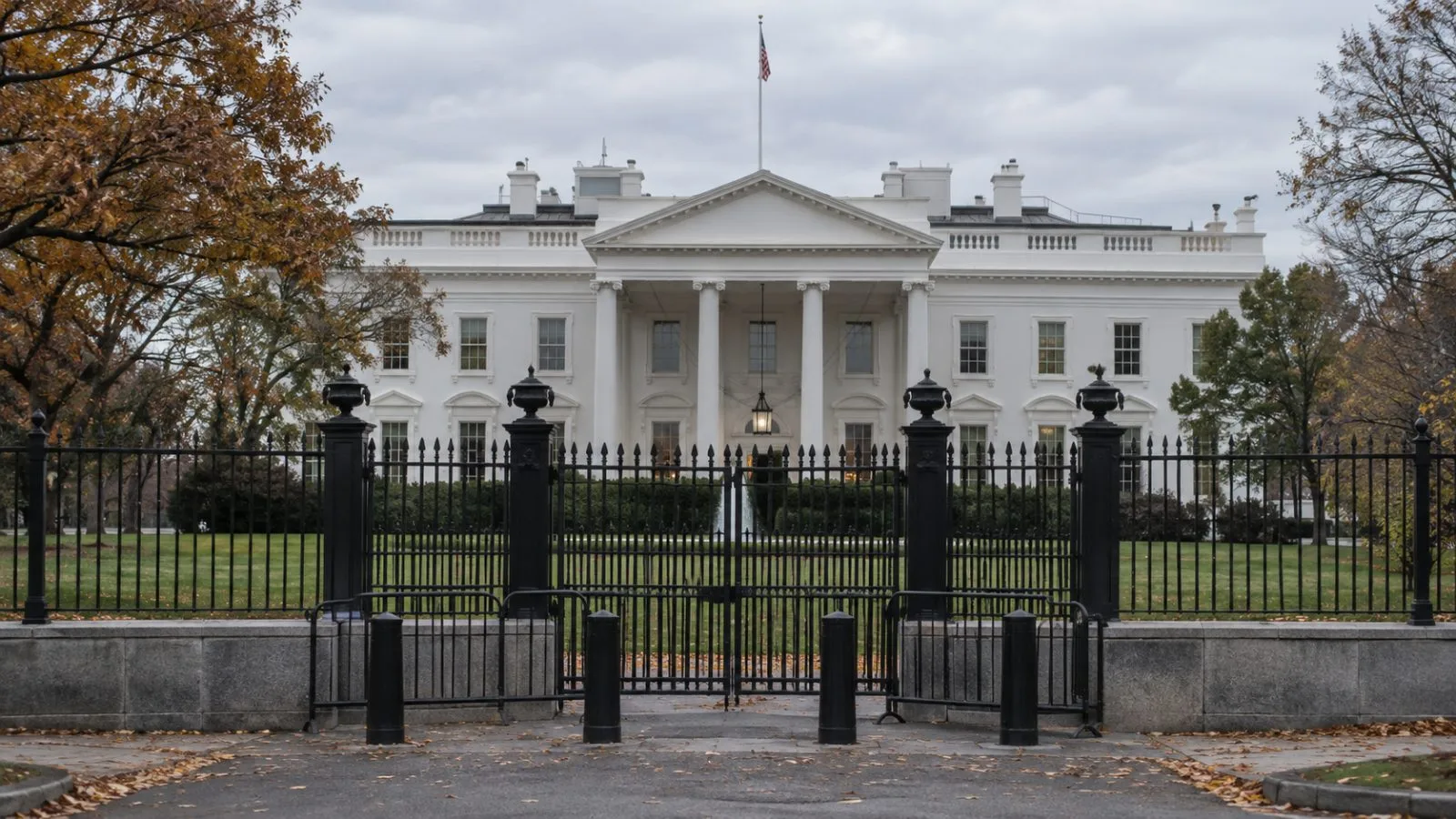
After Congress did not pass a funding bill, the United States federal government formally closed at 12:01 AM EDT on October 1, 2025. This is the first shutdown in six years and the twenty-first in contemporary history. The Office of Management and Budget instructed departments to start shutdown plans as a result of last-minute efforts to resolve an impasse between Senate Republicans and Democrats over funding methods. Weeks earlier, as Republicans passed a resolution to extend financing through November, which Senate Democrats ultimately blocked, the argument started.
The main point of contention stems from differences on government funding levels and ACA tax credit talks. Republicans opposed including expiring healthcare tax credits in the funding bill, viewing it as an effort to reverse past financial reductions. Pandemic-related costs drove the recommended resolution's maintained federal expenditure level of $7.02 trillion, a 58% increase from 2019. Tension grew and caused a stalemate when no breakthrough resulted from top-level talks between President Trump and Democratic leaders.
For federal departments and employees, the shutdown has caused extensive disturbances. Thousands of people have been laid off; those considered necessary will keep working without pay. Under the direction of the Office of Management and Budget, agencies are only keeping vital activities running. Under the direction of President Trump, this is the third shutdown; it reminds us sharply of the increasing polarization in federal government.