Having high cholesterol puts you at risk for heart attacks, strokes, and heart diseases.
Cholesterol is the waxy substance that is found in your blood and which your body needs to build healthy cells.
There are two sources of cholesterol that are found in your blood. It comes from the food that you eat and your liver, which provides all the cholesterol that your body needs.
However, when you don't watch your diet, it can result in the presence of high cholesterol in your blood, which can develop into fatty deposits in your blood vessels.
When your cholesterol levels remain high, over time, these fatty deposits grow to make your arteries narrow. When this happens, it will be difficult for enough blood to flow through your arteries. This alone can already result in atherosclerosis, a disease of the arteries.
The deposits can sometimes break off and form a clot that causes a heart attack or stroke.
Not all cholesterol in your body is bad, though. There is also the good cholesterol. Cholesterol cannot flow through your blood alone. It needs to attach to proteins, and together they are called lipoprotein.
The bad cholesterol is the low-density lipoprotein (LDL), while the good cholesterol is the high-density lipoprotein.
The LDL is the one that builds up in the walls of your arteries as it transports cholesterol particles throughout your body.
The HDL picks up excess cholesterol and takes it back to your liver, hence, earning the tag good cholesterol.
This is why it is important for you to lower your levels of bad cholesterol. Unfortunately, there are no symptoms that can tell you if you have a high level of LDL or HDL. Only a blood test can do it.
However, your diet plays a big part in your cholesterol levels. A healthy diet will, of course, not increase your levels of cholesterol. All the more, if you regularly do exercise every day.
Thus, making sure you eat in moderation the food that will give you high cholesterol is certainly a big help.
However, if you already have high cholesterol, there are some food that can help in lowering it.
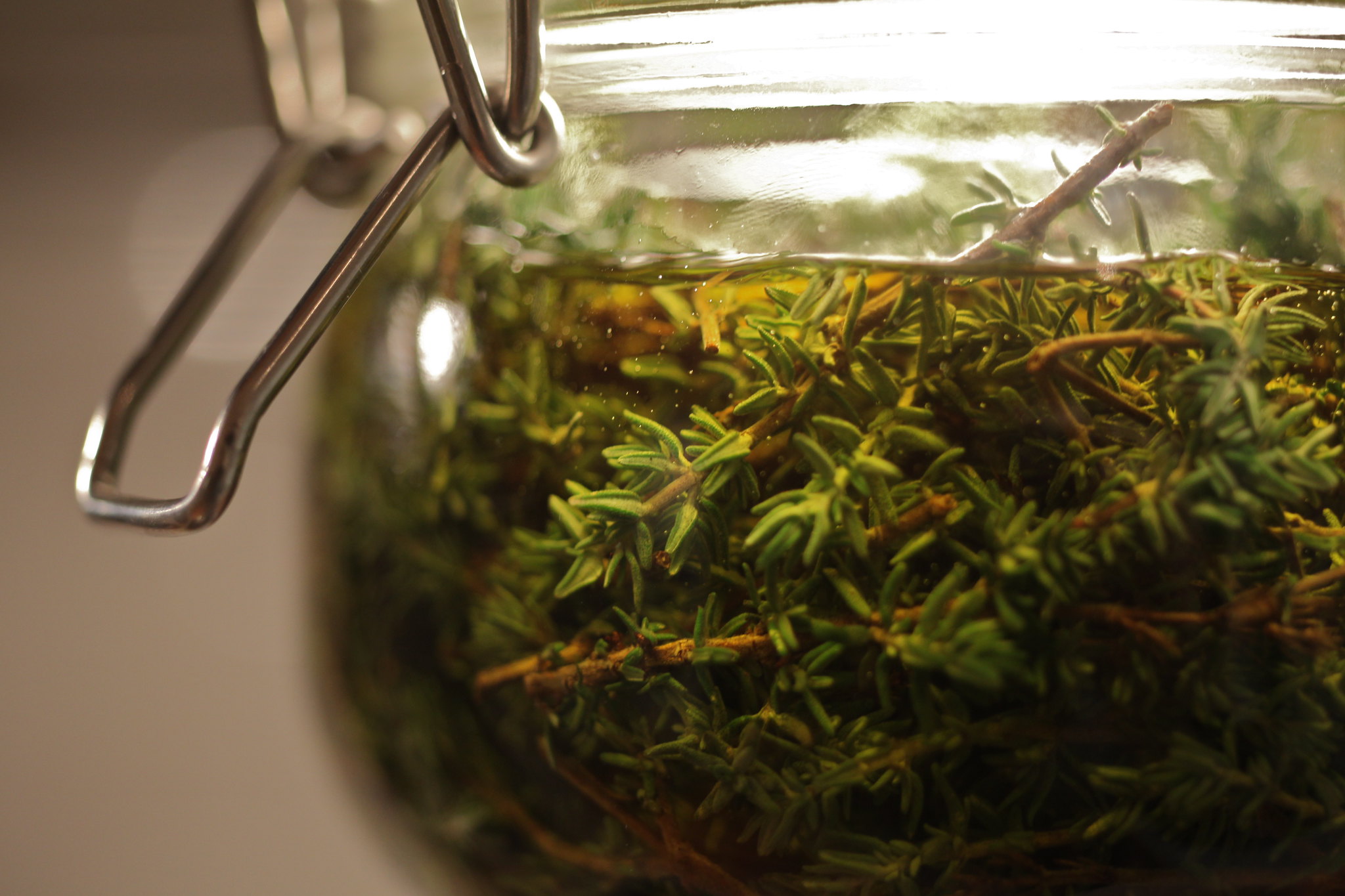
Oregano oil, according to studies, is very promising in lowering high cholesterol levels.
The carvacrol and thymol, compounds found in oregano, are proven by research to be the ones that can help in lowering high cholesterol.
In the study, subjects were divided into two groups. One group was made to take 25ml of oregano oil every after a meal, aside from diet and lifestyle advice. The other group was given the same minus the oregano oil.
Results had those taking the oregano oil, showing lower bad cholesterol levels and higher good cholesterol levels as compared to the other group.
Image credit courtesy of Trevor Leyenhorst/Flickr