


 DogeOS Launches Testnet to Bring DeFi Apps to Dogecoin
  Goldman Sachs Names CATL, Zenergy Top China Battery Picks
  Circle Urges EU to Revise MiCA Stablecoin Rules
  Lynas Shares Slide on A$968 Million Meteoric Resources Deal
  California AG Subpoenas OpenAI Over AI Cybersecurity Incidents
  Malaysia Aviation Group to Buy Airbus SAE Unit
  Ripple Locks 700 Million XRP Back in Escrow After October Release
  Zcash Awards $8 Million in Grants After Orchard Bug Crisis
  WordPress Malware Uses Ethereum to Evade Removal
  Nike Stock Slides as Revenue Miss Clouds Turnaround
  Citi Raises Bitcoin Target to $113,000 as Crypto Outlook Improves
  MSTR Stock Rises 3% as Strategy Challenges MSCI Bitcoin Stance
  SoftBank Shares Fall After $10 Billion OpenAI Investment
  Amazon Eyes $8 Billion Nvidia Chip Spinoff to Fund AI Expansion
  Trump Praises Boeing 737 Max After Flydubai Crash Attempt
  Micron Forecast Tops Estimates as AI Memory Demand Stays Strong
  Evernorth Set for Nasdaq Debut With 473 Million XRP Treasury


 Add as a preferred source on Google
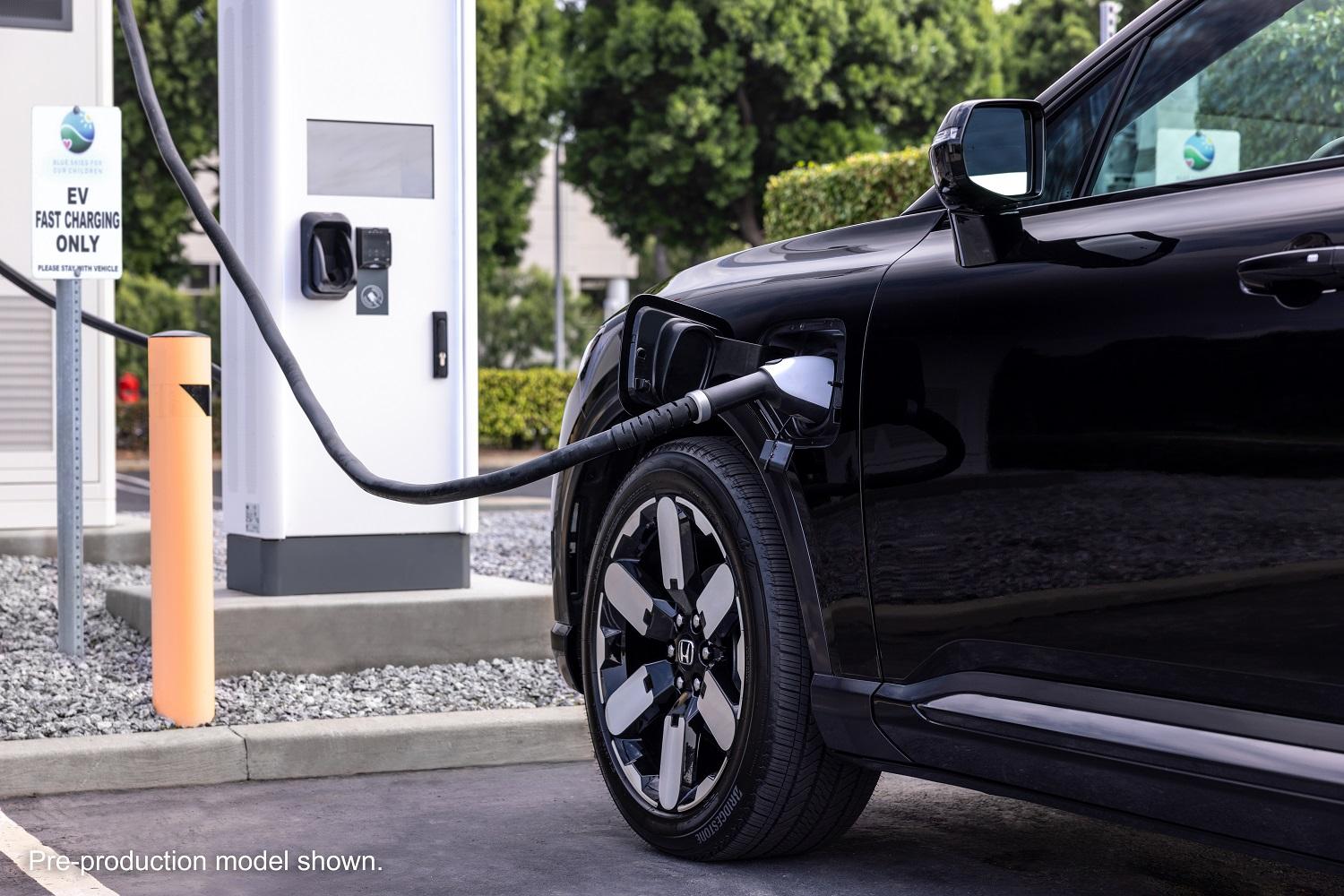
Honda Motor and General Motors have terminated their joint project to develop affordable electric vehicles (EVs) just one year after their initial collaboration. The partnership aimed to challenge Tesla's dominance in the EV market.
Change of Strategy for GM
According to Reuters, GM's decision underscores its shift in focus towards profitability as it grapples with the escalating costs resulting from United Auto Workers strikes.
The company, facing rising expenses of $200 million per week due to these strikes, has decided to slow the launch of several EV models. As a result, GM withdrew its 2023 profit outlook on Tuesday.
Asahi Shimbun reported that despite the dissolution of the joint project, Honda remains committed to bringing affordable EVs to the market. The Japanese company stated that it will continue working towards selling only electrified vehicles by 2040.
After conducting thorough research and analysis, both companies agreed to halt the development of affordable EVs. Honda stated that each company will now focus independently on delivering affordable models to the EV market.
Commitment to Electrified Vehicles
It is important to note that Honda is committed to offering electrified vehicles by 2040, emphasizing its dedication to sustainability and reducing carbon emissions.
The initial agreement between Honda and GM, signed in April of the previous year, aimed to develop a range of lower-cost EVs based on a new joint platform. Utilizing GM's Ultium battery technology, these vehicles were expected to hit the market in 2027.
Honda CEO Toshihiro Mibe, in an interview, explained the reasoning behind the dissolution of the partnership. After a year of evaluation, it was determined that pursuing the project would be difficult from a business perspective.
"We are currently ending the development of an affordable EV, as we have deemed it challenging," Mibe stated.
Safety Concerns and Unaffected Partnerships
Notably, the recent safety incident involving Cruise, GM's subsidiary, in California will not impact Honda's separate partnership with GM and Cruise. California authorities ordered Cruise to remove its driverless cars from state roads due to concerns regarding the technology's safety.
Despite this setback, Honda aims to establish a joint venture with GM and Cruise in the first half of 2024 and plans to launch a driverless ride service in Japan by early 2026.
Photo: Honda Newsroom







