The COVID-19 pandemic sparked a sharp decrease in the number of cars being purchased, and as a result, how many are being manufactured. As economies ground to a halt and locked down in 2021, people started working from home, travelling ceased, and restrictions were placed on driving in many countries.
It comes as no surprise that this impacted the automobile industry. Sales dropped significantly at every link in the supply chain. Honda reported a 68% drop in sales, whereas the industry in the US closed the year down 15% 0n 2019. Furthermore, EU countries like Italy and Spain which were hit hard by the virus noted a drastic decrease in the number of new car registrations. In Germany, the EU's largest vehicle market, sales dropped by up to 61% during 2021.
Sales down, interest up
While actual purchases went down, searches for cars and the results of several surveys showed an increase in interest from consumers. Data suggests that the COVID-19 pandemic has encouraged people to purchase cars. This could be due to social distancing measures, a drop in ride-sharing, and caution against using public transport including busses and trains. A senior economist at ING told the India Times that the demand for owning a car seems to be going up, even if the number of purchases hasn’t yet.
In fact, data from the IG Hedge Fund Trends: COVID-19 vs The Global Financial Crisis report noted that the automotive industry could see an increase in growth by up to 36% over the next 12 months. But this growth could also put more pressures on the industry which was already struggling with the shift towards electrification and self-driving cars. Much of this is due to a decrease in engineering activity and problems with underinvestment. The projected growth will very much depend on companies' abilities to invest in and focus more on IT and automation, as well as keeping up with clients' demands.
EV sales increased

Source: Pexels
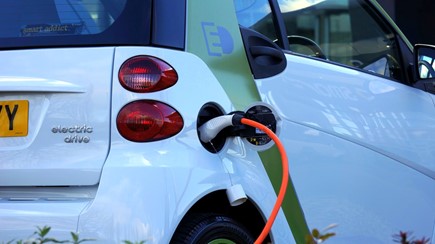
While conventional vehicle sales dropped, something strange happened in the world of electric cars. As Germany witnessed the biggest drops in history in terms of revenue from regular cars, its EV sales peaked. From January to June 2020, almost 94,000 electric cars were sold - twice the number sold during the same period the year before. A similar trend was observed in France as the country registered an even bigger increase in electric car purchases.
While some data suggests that the COVID-19 pandemic has sped up the shift to electric cars, the matter is far from settled. We must also consider that as the pandemic continues, people will continue working from home and this may even become a more permanent arrangement. Furthermore, as economies contract, people will have less money to spend on cars. Shopping will be done online and via app instead of on the high street and the necessity to move around and travel by car will be reduced.
In conclusion, while car sales dropped throughout the world, there was an increase in the sale of EVs. This is not guaranteed to save the market, however, as an increase in electric cars brings with it challenges in terms of funding, research, and individuals able to build to the required specifications. That said, EVs are now starting to reach a better level of cost competitiveness and policymakers will likely continue to push electric cars instead of those powered by fossil fuels.
This article does not necessarily reflect the opinions of the editors or management of EconoTimes