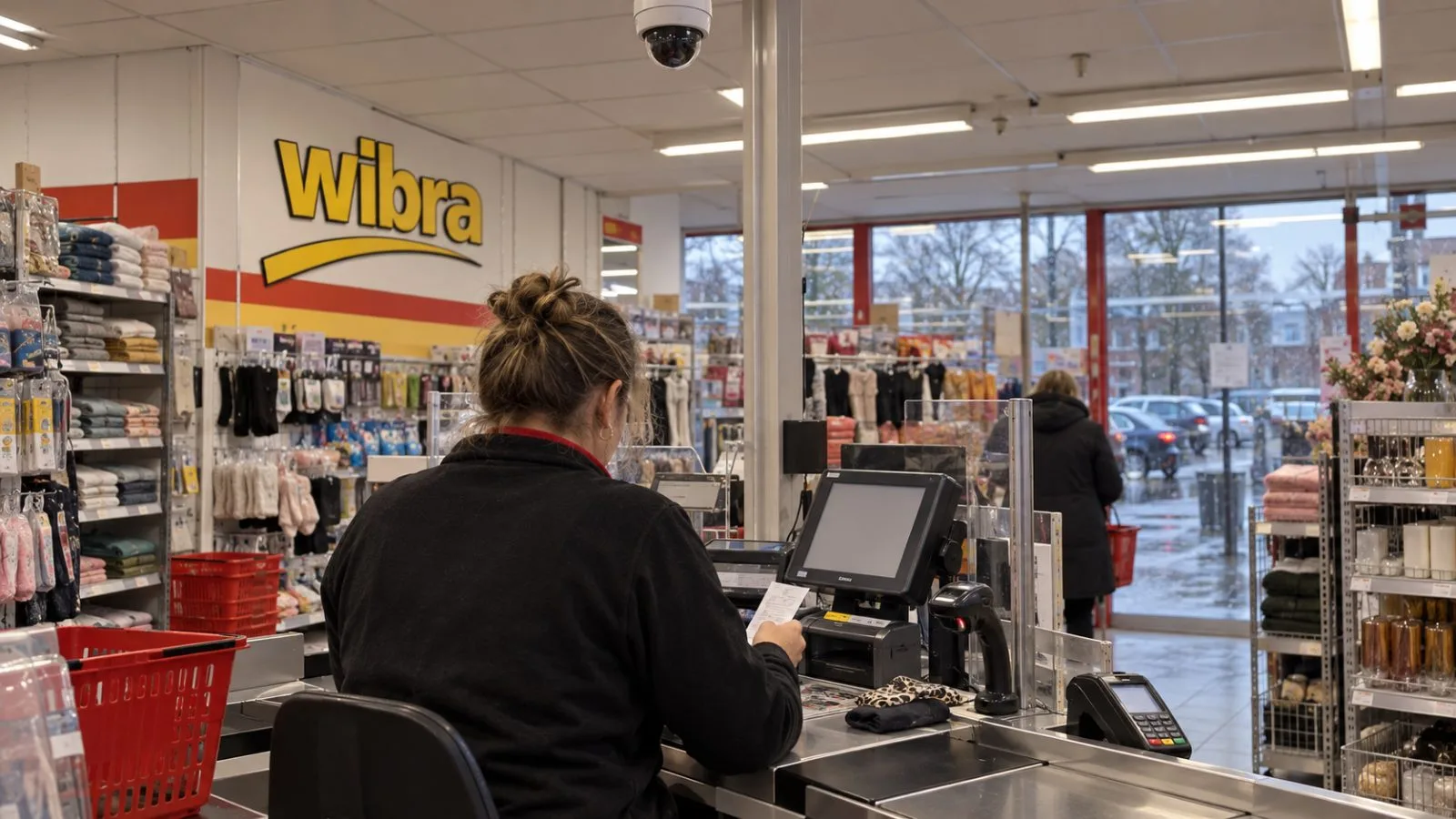
Technology has revolutionized the way organizations work. It is now one of the most powerful factors in deciding the company’s competitive edge in any industry. Except, this is only at 20% capacity.
Yes, you read that right. Only 20% of an organization has access to and uses technology.
Almost 80% of the global workforce is deskless. They’re on the field, hard to reach, and absolutely essential for any business. With the onset of the pandemic, they’ve become more important than ever. So why is it that only 1% of software venture funding is going towards technology serving 80% of the world’s workforce?
It is a challenging space, no doubt, to invest in technology for employees who almost never touch a desktop PC. But it is just as rewarding, for everyone involved.
The manifold effects of frontline automation
“Providing frontline workers with access to the right tools and technology helps them come closer to the organization. It’s much easier for them to align their efforts with the business goals, and channel their efforts in the right direction. Ultimately, this induces better productivity and innovation among the workers, and companies will see it clearly reflect in happier customer experiences”
Vijay Pullur, CEO, Groupe.io
By extending the advantages of technology to your frontline employees, almost every routine task being automated can provide a disproportionately better ROI. Companies that have done so are living examples for the rest of their peers.
Here are five reasons to invest in automation for the frontline
Reduced operating costs
PTO request forms, site-safety checklists, purchase requests—the number of paper forms and checklists that frontline employees use on a daily basis is quite large. Dealing with paper forms and checklists takes up a large chunk of their time. According to research, it takes up a large part of your expenses too—According to a study by Gartner, 3% of a company’s revenue is spent on paper, printing, filing and the costs to store and maintain files of information. By using digital forms and checklists, companies can save much more time, money, and manpower.
Higher employee productivity
Apart from filling out outline paperwork, frontline workers spend a lot of time on other routine tasks throughout the day. This leaves them with very little time for the more important aspects of their work that really require their attention. Its impact on their time is huge enough that almost 90% of frontline employees want automations that help them improve productivity. Automating routine tasks like inventory audits, purchase order placements, incident reporting, etc, will give frontline employees more time for the important tasks and improves their productivity significantly. Using task management apps will help them achieve all of this.
With task management apps, it gets easier to assign and schedule tasks automatically. The apps provide frontline workers with more clarity with regards to the process to be followed, its priority and deadline. Supervisors can follow-up more effectively and stay on top of all the work assigned easily. This reduces the possibilities of manual errors and the need for multiple do-overs.
Improved workplace safety
Apart from improving frontline productivity, task and workflow automations also improve safety compliance levels at the workplace. The cost savings that arise out of this is worth remembering. Liberty Mutual’s Workplace Safety Index found that in the US alone, employers paid more than $1 Billion per week for direct workers' compensation costs for disabling, nonfatal workplace injuries in 2018.
The cost of enforcing safety compliance by investing in the right automation software is nothing compared to the amount spent on fines and compensations after a safety incident. By automating safety processes, frontline employees can be more alert and aware of the processes that must be followed. With the proper safety automation system, compliance can be automatically tracked and implemented without causing disruptions to workplace productivity.
Improved Employee Experience:
A common problem in the frontline industry is that the attrition rate is very high. Companies struggle to replace employees and this proves to be a very expensive and time-consuming process. Recent studies show that the cost of replacing a trained employee can be double their annual salary. So how can technology help you avoid this expensive routine?
78% of deskless employees say technology is an important factor while choosing a job. Enabling deskless employees to work better with the right tools definitely reflects on the retention rate, and even helps you attract more talent. Though the scope for automation for frontline employees is mostly unexplored, t’s a worthwhile investment to keep 80% of your workforce happy.
Better Data security:
Automation for frontline employees not only benefits them, but the entire company. A study by Emcap says that 56% of deskless employees use their own technology because their employer hasn’t given them adequate tools. With a large number of deskless workers using their personal devices to store and communicate corporate information, data security is a big concern for most organizations.
Organizations are now slowly changing this trend by providing deskless employees with official devices. Data security apps pre-installed in these devices help companies automatically revoke access to data or remotely wipe data wherever a threat is identified. This helps employees, as well as companies, work better.
In conclusion
With the pandemic changing the way people work, it is the right time to invest in technology for your workforce. There are emerging options of tech now available for companies to choose from, and clearly the advantages of investing in frontline automation solutions are manifold.
This article does not necessarily reflect the opinions of the editors or the management of EconoTimes