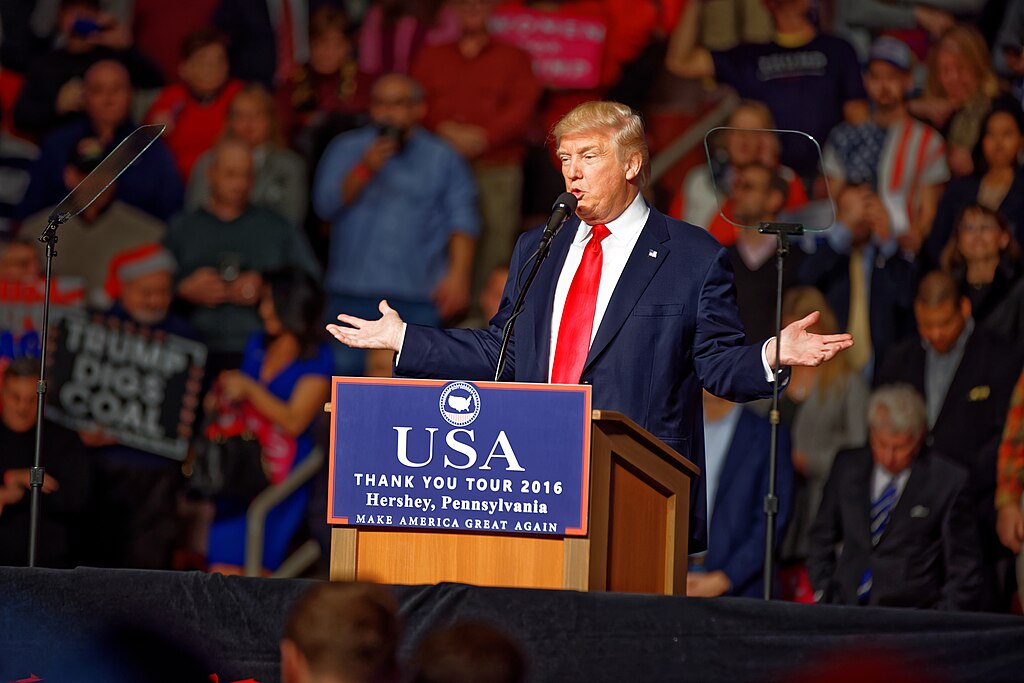
As Donald Trump prepares for his second term in office, one of his most anticipated policies is addressing the teacher pay gap. Teachers across the country have long struggled with low wages, despite their critical role in shaping the future of American students. Trump's proposed plan, which aims to tackle this issue head-on, has already generated significant buzz. As the 2025 education policy begins to take shape, many are wondering if Trump’s solutions can finally close the teacher pay gap or if they will face pushback from critics.
A Bold Strategy to Increase Teacher Salaries
Trump's strategy for tackling the teacher pay gap includes a mix of federal funding initiatives and tax incentives designed to raise teacher salaries across the nation. His plan involves providing additional grants to states and school districts that commit to increasing teacher salaries, especially in high-demand areas like STEM (Science, Technology, Engineering, and Math) subjects.
Additionally, Trump’s proposal suggests that tax credits be given to teachers who spend their own money on classroom supplies and other educational materials. This plan is intended to address the ongoing issue of out-of-pocket expenses that many teachers face, which often depletes their salaries further. By encouraging states to use federal funds for higher salaries, Trump hopes to boost teacher morale and improve recruitment and retention in the profession.
Experts believe that these efforts could help raise the overall value of the teaching profession and make it more appealing to prospective educators. However, the real question remains whether these measures will be enough to bring about lasting change for teachers in the U.S.
Challenges in Addressing the Teacher Pay Gap
While Trump’s plan for increasing teacher pay may seem promising, it comes with its own set of challenges. Critics argue that simply raising salaries might not be enough to resolve the broader issues facing public education. Some experts believe that the root causes of the teacher pay gap go beyond compensation. For example, the lack of investment in public education, large class sizes, and limited resources are issues that may require a more comprehensive approach.
Moreover, raising teacher pay can be costly, and with tight budgets in many states, there are concerns that the implementation of Trump’s plan could place additional financial strain on local governments. The challenge will be finding a sustainable way to fund these salary increases while maintaining other educational programs and services.
Despite these obstacles, Trump remains optimistic that his plan will succeed. He has repeatedly argued that teachers deserve better compensation for the work they do, emphasizing the importance of attracting and retaining high-quality educators to ensure the future success of the nation’s students.
Netizens React to Trump’s Teacher Pay Proposal
The debate over Trump’s teacher pay initiative has sparked widespread reaction on social media. Here are six notable reactions from Twitter:
- @EduReformGuru: "Trump’s teacher pay plan could finally bring long-overdue change to the education system. It’s about time teachers got the respect they deserve! #TeacherPay"
- @PublicEdAdvocate: "Increased teacher pay is great, but will it address the systemic issues in education? #TeacherPayGap"
- @TeachTheFuture: "Tax credits for teachers spending their own money is a start, but we need more than that. #TeacherPay"
- @ClassroomChampion: "Teachers need more than a paycheck boost. We need better support and resources! #TeachersDeserveBetter"
- @EducationReformNow: "While raising pay is a good first step, it’s only one part of the puzzle. #TeacherPayGap #EducationReform"
- @TeacherLife365: "If Trump’s plan helps teachers, I’m all for it! Our hard work deserves to be recognized. #TeacherPay"
What’s Next for Teacher Pay Under Trump’s Plan?
Trump’s proposed teacher pay overhaul could be a turning point in the ongoing struggle to support educators. While his plan offers a starting point, the success of his initiatives will depend on effective implementation and long-term commitment from local governments and states. As 2025 draws closer, educators, policymakers, and students alike will be watching closely to see whether these proposed changes can make a real difference in teachers’ lives and the quality of education in the U.S.