


 Netanyahu Rejects Preemptive Iran Strike Ahead of Israel Election
  China Resumes US Soybean Purchases After Trump-Xi Summit
  Trump Confirms US Intelligence Sharing With Ukraine Amid Russian Strikes
  US Recalls Nicaragua Envoy After Ambassador Rejection
  Most Americans Oppose Election Betting on Prediction Markets, Poll Finds
  UN Urges Talks on Lebanon Peacekeeping Mission Extension
  Zelenskiy Says Trump’s Support for Russia Is ‘Painful’
  Kim Jong Un Showcases ICBM Ahead of Possible Trump Meeting
  SpaceX Starlink Restrictions Disrupt Ukraine Military Operations
  US Justice Department Drops Prosecution of Ex-CIA Analyst Sue Mi Terry
  Zelenskiy Seeks New US Talks to Revive Ukraine-Russia Peace Negotiations
  FBI Denies Report of Kash Patel’s Russia Visit
  Trump Denies Russia and China Are Helping Iran in U.S. Conflict
  Trump Announces Massive Oil and Mineral Exploration Plans in Greenland
  US Supreme Court Denies Release of Anti-ICE Activist Kyle Wagner
  Flavio Bolsonaro Backs Brazil’s 40-Hour Workweek Reform Ahead of Runoff
  China Warns Taiwan Over South China Sea Coast Guard Incident


 Add as a preferred source on Google
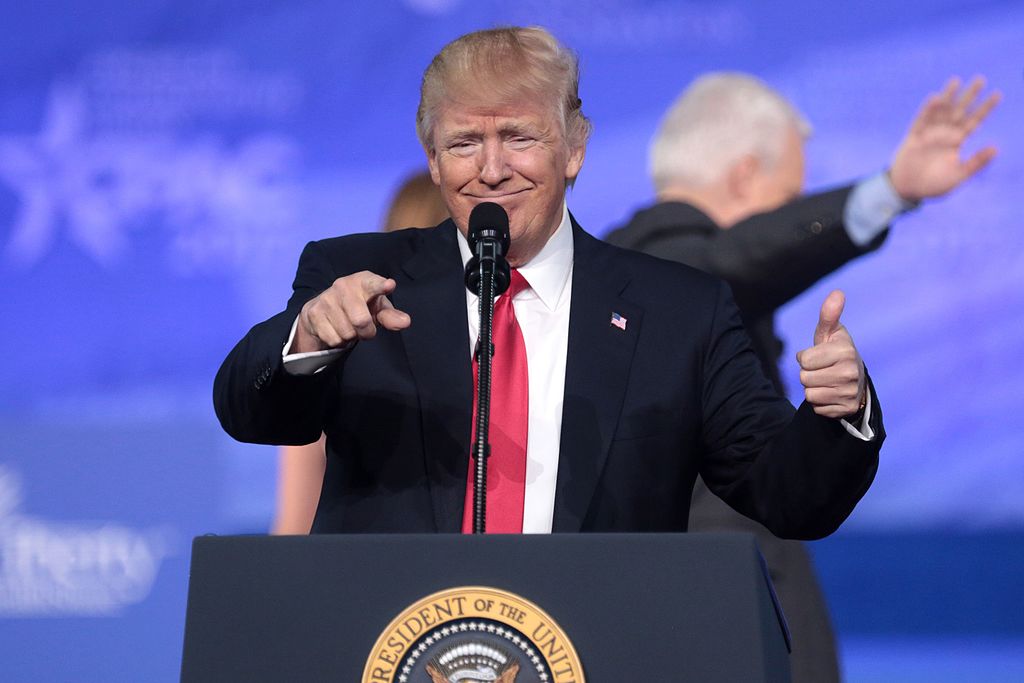
Donald Trump’s administration has introduced a sweeping urban revitalization initiative aimed at addressing gentrification and its impact on major U.S. cities. Unveiled during a speech in Detroit earlier this year, the plan has garnered both praise and criticism for its emphasis on private investment, housing development, and local job creation.
The cornerstone of Trump’s approach involves partnering with private developers to transform underdeveloped neighborhoods into modern urban hubs. The administration has pledged to incentivize these investments through tax credits and reduced regulations, aiming to spur economic growth in areas historically plagued by poverty and neglect.
“Urban revitalization is about creating opportunity,” Trump said during the announcement. “We’re giving cities the tools to rebuild from the ground up.”
However, the plan has raised concerns among housing advocates and community leaders, who warn that the initiative could displace long-term residents and worsen inequality. Critics argue that the policy prioritizes developers’ profits over the needs of vulnerable communities.
Supporters Applaud Job Creation, Critics Fear Displacement
Supporters of the Trump administration’s plan point to its potential to create thousands of jobs and generate economic activity in struggling urban areas. The initiative includes funding for workforce training programs, aimed at equipping local residents with the skills needed for new construction and service jobs.
Additionally, the plan highlights affordable housing as a priority, pledging to allocate funds for low-income housing projects in gentrifying neighborhoods. Federal grants will also be available to help municipalities preserve cultural landmarks and protect historic districts.
Yet, skeptics argue that similar initiatives in the past have led to widespread displacement of long-time residents as property values and rents skyrocket. Housing advocates stress that promises of affordable housing often fall short, leaving communities at risk of losing their cultural identity.
“Urban revitalization must be inclusive,” said Carla Rodriguez, a housing policy expert. “Without clear safeguards, this plan could exacerbate the very issues it seeks to resolve.”
Public Reaction Divided as Debate Heats Up Online
The plan has ignited fierce debates on social media, with supporters and critics weighing in:
- @CityBuilder2025: “Trump’s urban revitalization plan could finally bring jobs and progress to neglected areas. Why is this a bad thing?”
- @CommunityMatters: “Revitalization or eviction? History shows gentrification drives out residents who can’t afford the ‘progress.’”
- @UrbanReviveFan: “Love or hate him, Trump is putting neglected neighborhoods back on the map. Time for change!”
- @NoErasure: “Another excuse to erase communities of color in the name of profit. We’ve seen this before.”
- @JobsForAll: “Say what you want, but jobs are coming. People will benefit if this is done right.”
- @HistoricSoul: “Cultural preservation must be part of the conversation. Modernizing shouldn’t mean erasing our history.”







