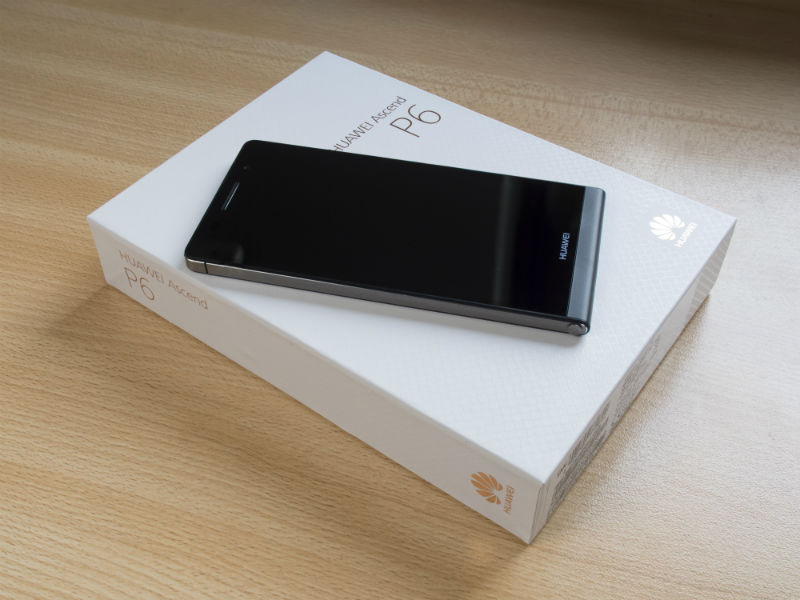
This November, Huawei launched a new mid-range phone to succeed its Ascend G7 handset it released last year. The new Huawei G7 Plus, which is currently being sold at USD330 without any contract, comes with a 1.2GHz octa-core Qualcomm MSM8939 processor at 3GB RAM. Moreover, it has a 32GB of internal storage that can be expanded up to 128GB via a microSD card. For selfie lovers, the smartphone comes with 13-megapixel primary camera on the rear and a 5-megapixel front shooter.
Android Community also said that the smartphone impresses with its “almost” full metal chassis with a 5.5 screen at full HD pixel resolution and running on an Android 5.1 Lollipop. Also, it comes with a fingerprint scanner at the rear. The company will be offering Huawei G7 Plus in three variants, namely gold, gray and silver.
At the moment, there has been no word on where Huawei G7 Plus will be sold aside in Thailand.
Taiwan Court Fines Tokyo Electron Unit $4.78M in Major TSMC Trade Secrets Case
SMC Corp Stock Surges as Palliser Capital Pushes for Major Share Buyback
Amazon Stock Dips Despite Record Earnings as AI Infrastructure Spending Surges
OpenAI Faces Revenue Pressure and User Growth Challenges Ahead of IPO
U.S. Raises Alarm Over Chinese AI Firms’ Alleged IP Theft Through Model Distillation
DeepSeek V4 Launch Signals China’s Growing AI Independence with Huawei Chips
Advantest Stock Falls on Weak Outlook Despite Strong AI-Driven Results
Lightelligence IPO Soars Over 400% in Hong Kong Debut Amid Rising AI Investment Demand
Seagate Stock Surges After Strong Q3 Earnings Beat and Bullish Outlook
DeepSeek Launches V4 AI Models with Enhanced Reasoning and 1M Token Context Window
$16B Michigan Data Center Project Boosts U.S. AI Infrastructure Expansion
FBI Warns of China’s Expanding Hack-for-Hire Network Amid Extradition Case
Google Secures Pentagon AI Deal for Classified Projects
Samsung Reports Record Profit as AI Boom Drives Memory Chip Demand
Australia Targets Meta, Google, and TikTok With New News Payment Tax Proposal
Intel Stock Surges as AI Chip Demand Drives Strong Q2 Forecast 


