


 Samsung, SK Hynix Shares Plunge as China Chip Competition Grows
  ASML Raises 2026 Sales Forecast as AI Chip Demand Surges
  S&P 500 Rally Masks Losses for Over 40% of Stocks in 2026
  China Resumes US Soybean Purchases After Trump-Xi Summit
  Oil Prices Fall as Trump Ceasefire Claim Shifts Market Focus to U.S. CPI
  RBA Signals More Rate Hikes as Inflation Risks Rise
  Interactive Brokers Launches Ethereum Staking With Zerohash
  Bumble Shares Surge 50% on $1 Billion Buyout Talks
  Binance to Shut Down Crypto Mining Pool Services on November 10
  Tesla Holds $960 Million in Bitcoin as BTC Gains Top $710 Million
  MNX Crypto Exchange Launches Futures for OpenAI, Anthropic Valuations
  NEAR Protocol Leads AI Crypto Rally Amid Fed Rate Hike Fears
  Wells Fargo Expands Stablecoin Plans With 20 Major Banks
  CVS Pharmacy Agrees to $315 Million Opioid Settlement
  European Stocks Rise as Oil Prices Fall Ahead of US CPI
  IMF Warns US Debt Crisis Needs Fiscal Action, Urges China to Boost Consumption


 Add as a preferred source on Google
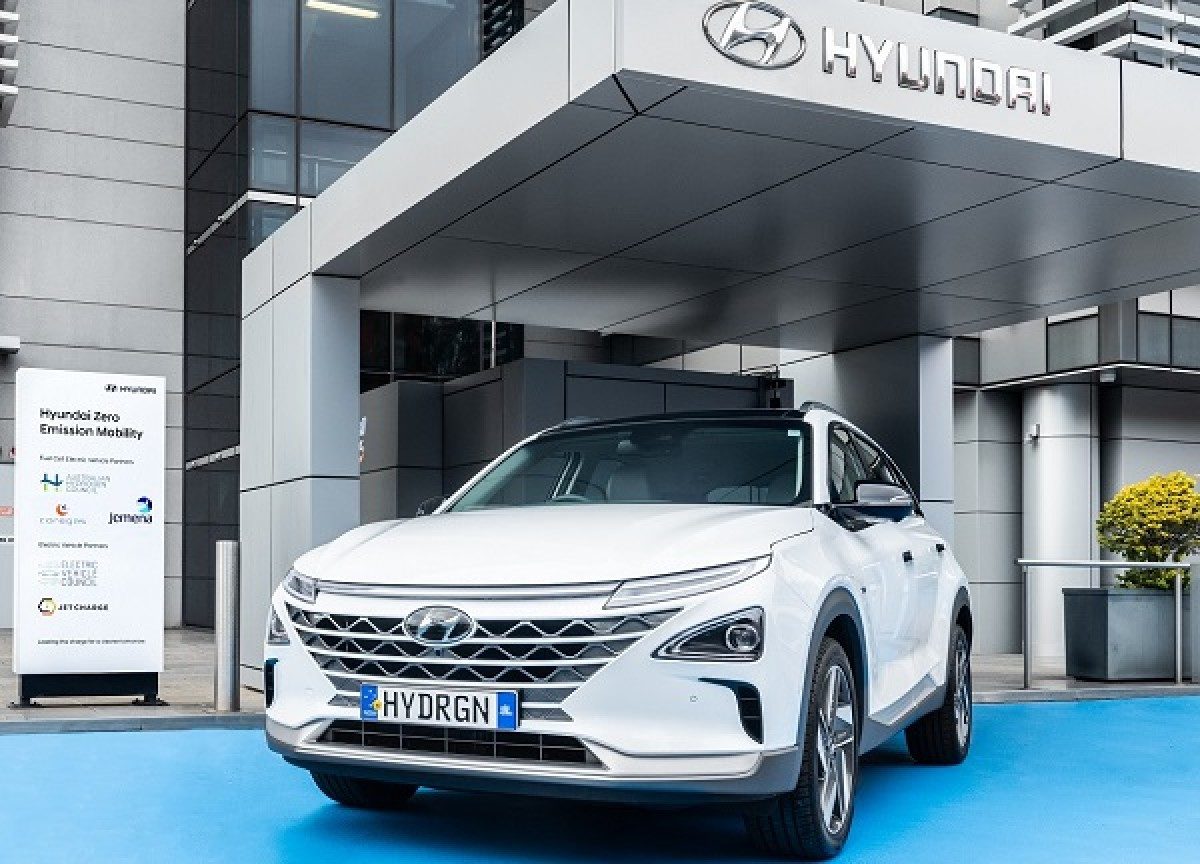
Hyundai Motor Co. is in talks with a Chinese firm to form a joint company for the construction of its first overseas hydrogen fuel cell systems plant in Guangzhou this year as it seeks to enter the Chinese hydrogen market.
South Korea's biggest carmakers recently obtained government approval for the investment plan.
Hyundai is expected to announce the plant as early as this month.
Hydrogen technologies are regarded as one of South Korea's core technologies.
South Korea's Ministry of Trade, Industry, and Energy, which approved the plan, expects the hydrogen fuel cell systems plant to pave the way for Hyundai Motor to increase its exports to China.
Hyundai recently launched a fuel cell system brand, dubbed HTWO, which stands for the hydrogen molecule H2. The company aims to sell 700,000 hydrogen fuel cells in global markets in 2030.







