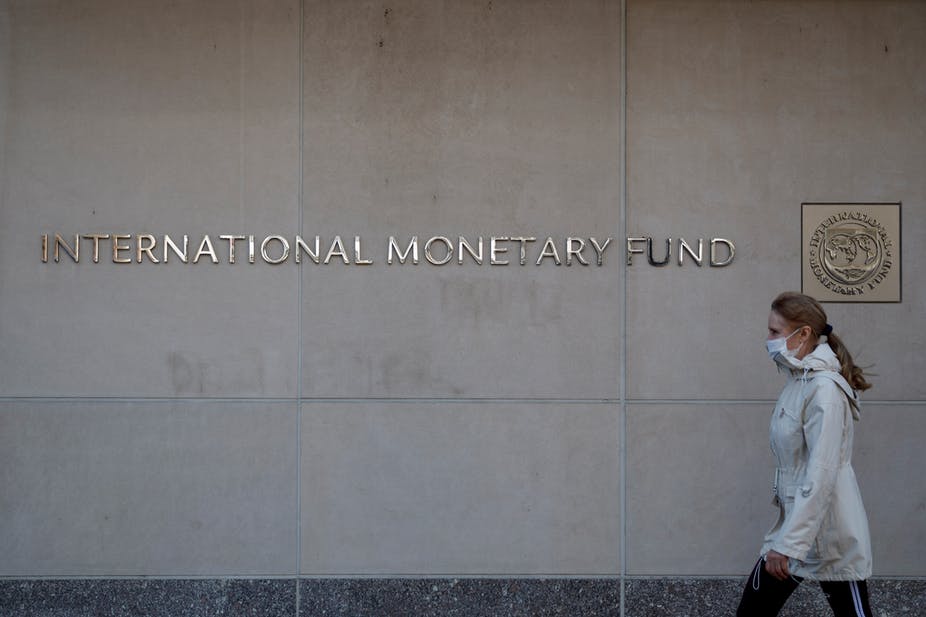
The International Monetary Fund (IMF) has praised Egypt for making notable strides toward macroeconomic stability, while emphasizing the need to broaden its tax base. This assessment followed the IMF’s fifth review of an $8 billion financial support package signed in March 2024.
According to IMF Mission Chief Vladkova Hollar, who led the visiting team from May 6 to 18, Egypt's economic outlook has improved. The IMF revised its growth forecast for the 2024/25 fiscal year to 3.8%, citing stronger-than-expected performance in the first half of the year. This aligns with a Reuters poll of analysts and recent data from Egypt’s central bank, which reported 4.3% GDP growth in Q4 2024 and projected 5.0% growth for Q1 2025.
Hollar noted that better oversight of large public infrastructure projects has helped curb demand pressures. Meanwhile, reforms in tax and customs procedures are beginning to yield positive results. The IMF stressed, however, that Egypt must continue enhancing domestic revenue by expanding the tax base and reducing tax exemptions to sustain fiscal improvements.
The March 2025 approval of the program’s fourth review unlocked a $1.2 billion disbursement, reinforcing confidence in Egypt’s reform trajectory. Ongoing economic modernization efforts are crucial for maintaining growth and managing fiscal pressures amid evolving global conditions.
The IMF’s latest statement signals cautious optimism, highlighting both Egypt’s reform momentum and the remaining challenges in revenue mobilization. Effective implementation will be key to securing long-term economic resilience.