Indiana Republicans abruptly abandoned a special legislative session aimed at drawing a new congressional map, dealing a blow to President Donald Trump’s nationwide push to reshape U.S. House districts ahead of the 2026 midterm elections. The decision creates a setback for GOP efforts to secure and expand their House majority, a priority Trump has pressed aggressively in several states.
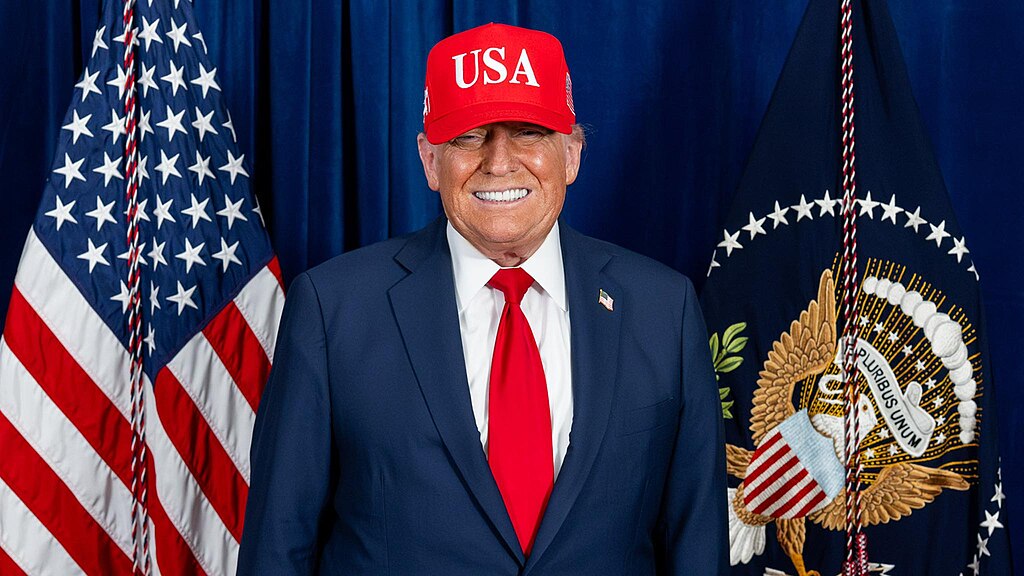
Senate President Pro Tempore Rodric Bray announced Friday that Republicans lacked enough support to approve the proposed map, prompting the Senate to cancel its December session called by Republican Governor Mike Braun. Following the announcement, Braun urged lawmakers on X to “show up to vote for fair maps,” signaling frustration within the party’s leadership. Trump had personally lobbied Indiana lawmakers, inviting key figures to the White House and sending Vice President JD Vance to the state to rally support.
Redistricting normally occurs every ten years following the U.S. Census, but Trump has pushed for mid-decade redistricting to give Republicans an electoral advantage. Earlier this year, Texas Republicans responded to his call, approving a new map aimed at flipping five Democratic-held seats in 2026. That move triggered a fierce political response: California voters approved a Democratic-backed map targeting five Republican incumbents as a countermeasure. Other GOP-led states, including North Carolina and Missouri, have already passed their own partisan maps, while Democrats in Maryland and Virginia are debating whether to pursue similar efforts.
Still, many Republican lawmakers remain hesitant. Indiana’s refusal to move forward mirrors resistance in Kansas, where Republicans failed to secure support for a special session, and in states like Nebraska and New Hampshire, where interest in mid-decade redistricting has been minimal.
With Democrats needing to flip only three Republican-held seats to reclaim control of the U.S. House, the political stakes surrounding redistricting efforts remain high. The Indiana setback underscores internal GOP divisions and hints that Trump’s strategy may face more resistance as election season draws closer.