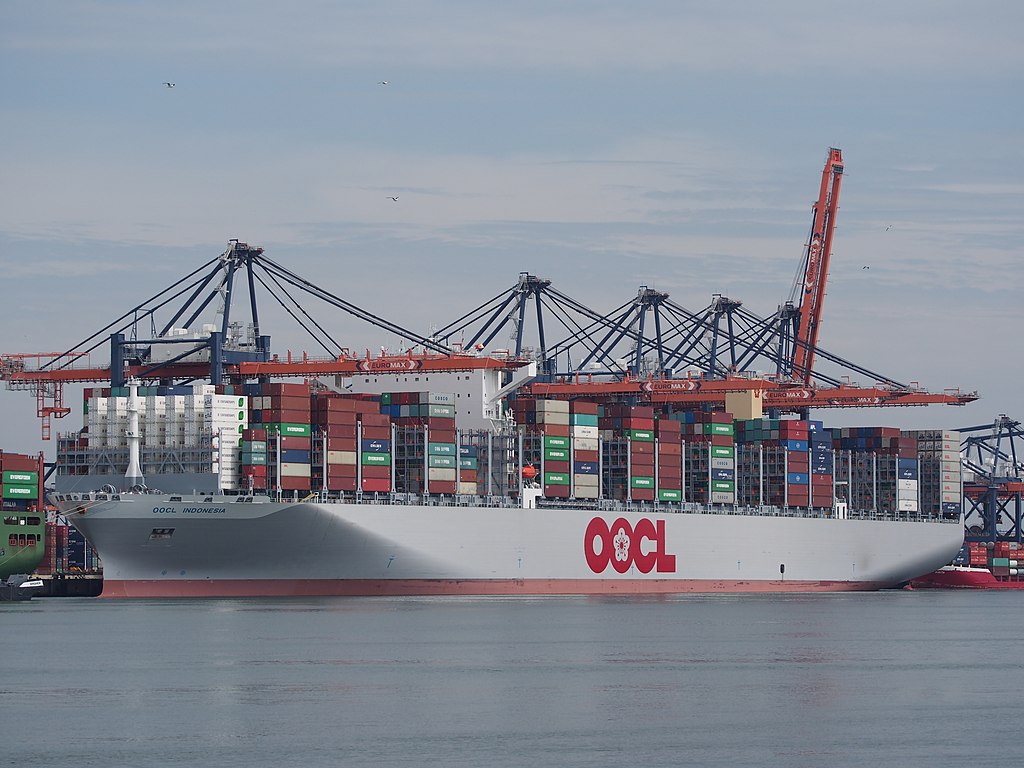
Indonesia and the United States have reached a new trade deal that significantly lowers trade barriers and strengthens bilateral economic ties. Announced Tuesday, the agreement will eliminate tariffs on over 99% of U.S. goods entering Indonesia and scrap all non-tariff barriers for American firms. In return, the U.S. will reduce its tariff on Indonesian products from 32% to 19%.
Former President Donald Trump called the agreement a “huge win” for U.S. automakers, tech firms, farmers, and manufacturers. A joint statement outlined a framework for finalizing the deal, which is expected to be completed in the coming weeks.
Key provisions include Indonesia’s commitment to drop proposed tariffs on internet data flows and to support the World Trade Organization’s moratorium on e-commerce duties. The country also agreed to eliminate pre-shipment inspections on U.S. exports, a move expected to help reverse the current U.S. agricultural trade deficit with Indonesia.
The deal marks a significant development for U.S. automakers, as Indonesia will now recognize U.S. Federal Motor Vehicle Safety Standards for American vehicle exports. Additionally, Indonesia will lift export restrictions on industrial commodities and remove local content requirements for products using critical minerals.
The U.S. may further lower tariffs on commodities not produced domestically. Both nations will also define clear rules of origin to ensure trade benefits go primarily to the U.S. and Indonesia.
Indonesia has pledged to address import restrictions and licensing issues affecting U.S. remanufactured goods and will join the Global Forum on Steel Excess Capacity to tackle global steel overproduction.
This strategic agreement positions Indonesia, Southeast Asia’s largest economy, as a vital U.S. trade partner amid evolving global trade dynamics.