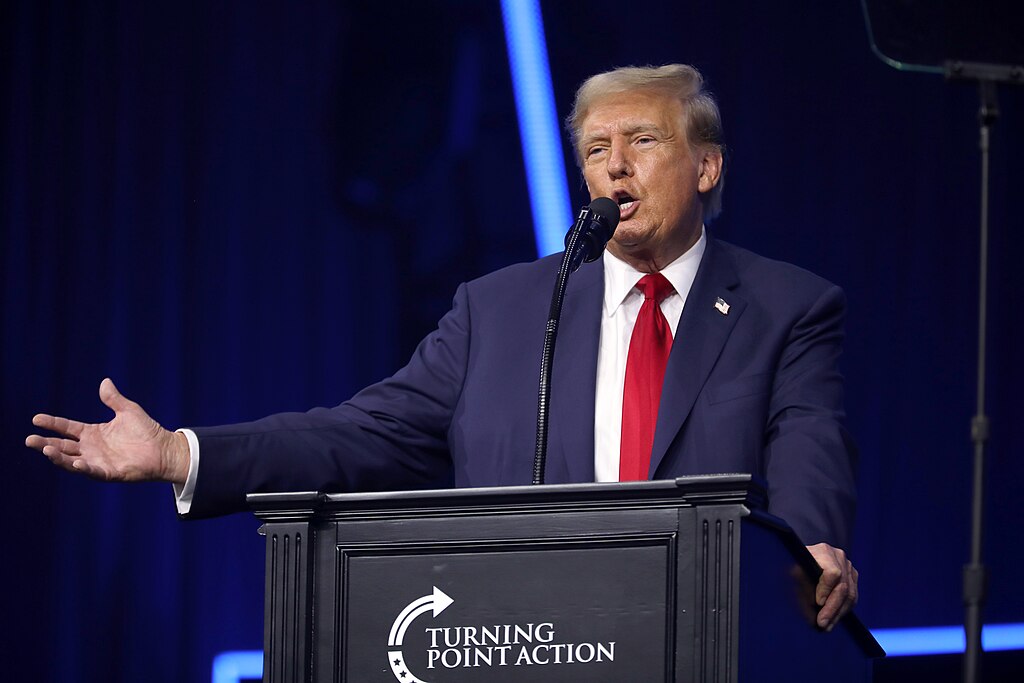
U.S. officials have revealed that Iran is actively working to undermine former President Donald Trump's candidacy. This revelation comes as part of a broader effort by Iran to influence the election, echoing tactics seen during the 2020 election cycle. This information was disclosed during a joint election security briefing by the Office of the Director of National Intelligence (ODNI), FBI, and Department of Homeland Security officials.
According to senior officials, Iran's motivation appears to stem from a desire to avoid escalating tensions with the United States, a stance they believe would be exacerbated by a Trump presidency. This influence campaign is reminiscent of past efforts that U.S. intelligence agencies attributed to directives from Iranian Supreme Leader Ali Khamenei.
The briefing held 99 days before Election Day, was part of a series of updates planned by these agencies. Officials, speaking on the condition of anonymity due to the sensitive nature of the assessments, emphasized that Iran's activities primarily involve using a "vast web" of internet personas to foment chaos and societal divisions, including those related to the conflict in Gaza.
Details on the extent of Iran's involvement in backing Gaza-related protests in the U.S. were limited. However, a statement from Director of National Intelligence Avril Haines earlier this month noted that actors tied to Iran's government were posing as activists online and even providing financial support to protesters.
In contrast to Iran's efforts, Russia is once again working to influence the election in Trump's favor, continuing a trend observed in previous election cycles. Despite the growing ties between Iran and Russia, particularly over the war in Ukraine, their election interference strategies appear to be at cross-purposes. Last year, U.S. officials disclosed that Iran was aiding Russia in building a drone factory on Russian soil in exchange for military equipment.
ODNI officials indicated that Russia's preference for Trump remains unchanged from past elections, citing the U.S.'s stance on Ukraine and broader policy towards Russia. The 2020 assessment noted that Russian President Vladimir Putin authorized a range of operations aimed at undermining the Biden campaign while supporting Trump and stoking societal divisions in the U.S.
During the Monday briefing, officials reiterated that Russia's actions align with Putin's views. They also noted that Iran's primary influence actors operate under the Islamic Revolutionary Guard Corps, which has direct ties to the Supreme Leader.
While China can conduct similar influence campaigns, U.S. intelligence agencies do not believe Beijing will interfere in the presidential race due to concerns over further straining the bilateral relationship. However, there is potential for Chinese-linked actors to target down-ballot candidates.
Foreign actors, particularly Russia and China, have used commercial marketing and public relations firms to mask their influence efforts. Officials highlighted that foreign entities calculate that Americans are more likely to trust content appearing to come from fellow Americans rather than from blatant foreign propaganda.
The agencies declined to specify the locations of these firms or whether U.S. law enforcement agencies have launched investigations into their activities.
As the election draws nearer, foreign entities' actions underscore the critical need for vigilance and robust countermeasures to protect the integrity of the electoral process.