


 Trump Envoy Meets Sudan Army Chief in Egypt
  US Pressures Allies to Distance From Anti-Disinformation Conference
  Houthis Strike Aden Airport as Yemen Fighting Escalates
  Russia Targets Danish Ukraine Suppliers in Sabotage Campaign
  France to Release 10 Million Barrels of Diesel to Ease Fuel Prices
  Rapidus Seeks Chip Customers as Japan Pushes 2nm Semiconductor Revival
  Saudi Airport Attacks Kill Three as Yemen Fighting Escalates
  US-Taiwan Ties Remain Strong as Taipei Urges Timely Arms Deliveries
  Iran Tanker Attacks Surge as Hormuz Oil Flows Near Prewar Levels
  Vance Demands Iran Cut Nuclear Enrichment to End War
  Hegseth Praises USS Abraham Lincoln Crew After Record Iran War Deployment
  Trump Says He Deserves 2026 Nobel Peace Prize Despite Uncertain Chances
  Lula Weighs Alckmin as Finance Minister to Boost Fiscal Credibility
  Zelenskiy Warns Russia Is Preparing Massive Attack on Ukraine
  Saudi Arabia Probes Flydubai Cockpit Attack
  JD Vance Says Iran Must Cut Nuclear Enrichment to End War
  Mexico Bars Dual Citizens From Presidential Races Starting in 2028


 Add as a preferred source on Google
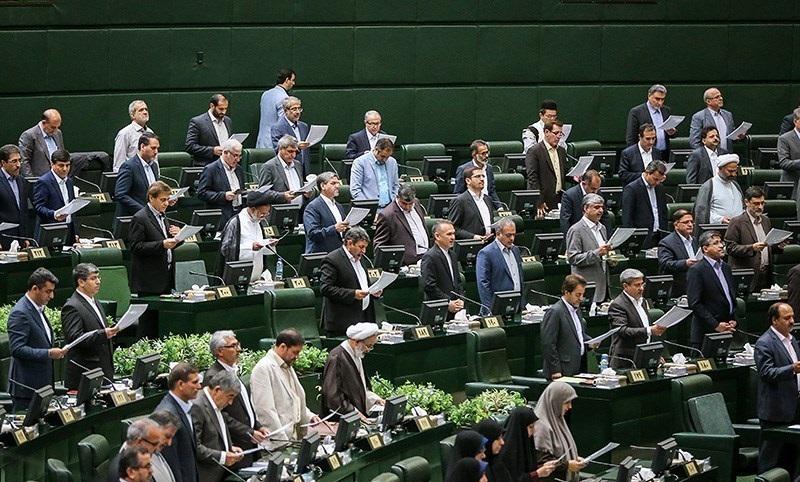
Negotiations still continue between Iran and other western powers in an effort to revive the 2015 nuclear deal. The Iranian parliament has also showed the desire to return to the agreement, with lawmakers setting conditions to be able to restore the deal.
Al Jazeera reports that a majority of Iranian lawmakers have defined the conditions in order to return to the nuclear agreement as the talks in Vienna have reportedly reached the last stretch. In a 290-member parliament, 250 lawmakers called on President Ebrahim Raisi to abide by the conditions they have set in restoring the Joint Comprehensive Plan of Action or JCPOA.
The lawmakers said that Iran must set clear red lines in the negotiations, saying that the “cruel and terrorist” US government along with “weak and contemptible” countries such as France, Germany, and the UK, have shown that they are not bound by an agreement over the past years. The red lines the lawmakers refer to cited receiving a guarantee by the US and the “E3” that they will not abandon the nuclear deal again.
During Donald Trump’s presidency, the US withdrew from the deal in 2018 and instead imposed sanctions on Iran. Joe Biden is keen to return to the deal, but Iran has refused to directly engage with Washington throughout the negotiations. Both sides have since been engaging through the European countries that are part of the deal.
“The US regime and other countries party to the JCPOA must pledge that they won’t use the snapback mechanism,” said the legislators, referring to a clause in the agreement that would automatically reimpose UN sanctions on Iran if it breaches the deal.
Israel has opposed the nuclear deal, and Prime Minister Naftali Bennett criticized the ongoing negotiations in Vienna. Bennett said that while Iran may agree to a new nuclear deal with world powers, the agreement would be weaker than the original accords.
“We may see an agreement shortly,” said Bennett, but added that the deal now would be “shorter and weaker than the previous one.”
Tehran has insisted that its nuclear program was for peaceful purposes. Israel’s relations with Iran have come under strain especially as Iran blames Israel for the attacks on its Natanz nuclear facility.







