Negotiations to revive the 2015 nuclear deal between Iran and other world powers may come to an end at any time following months of negotiations. The European Union’s foreign policy chief said most of the countries involved in the nuclear talks have supported the EU-led proposal.
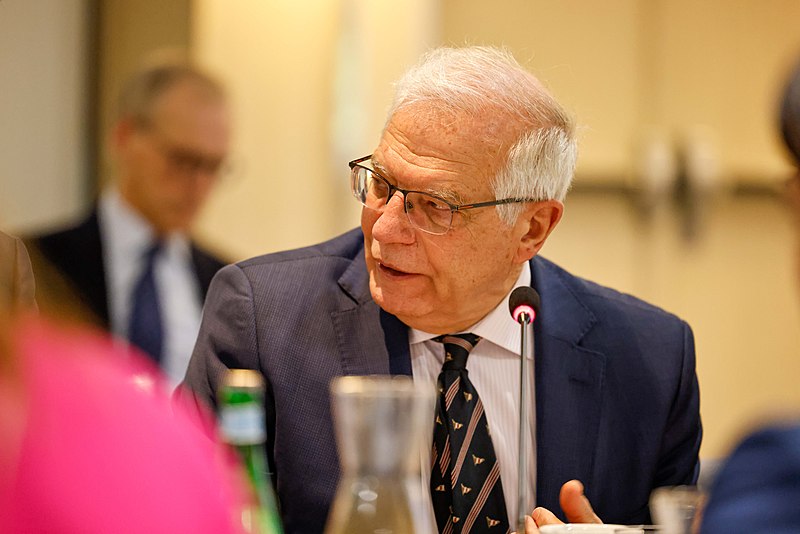
In an interview with Spanish broadcaster TVE Tuesday, EU foreign policy head Josep Borrell said most of the countries who are also involved in the nuclear discussions with Iran approve of the EU-led proposal to restore the agreement. Borrell added that the United States has yet to answer, and is expecting Washington to respond in the coming days.
“Most of them agree, but I still don’t have the answer from the United States, who I understand have to discuss it, and we expect during this week to receive an answer,” said Borrell.
Borrell added that Iran has asked for a few adjustments to the EU proposal following 16 months of indirect negotiations between Tehran and Washington. Borrell said Monday that Iran’s response was “reasonable.”
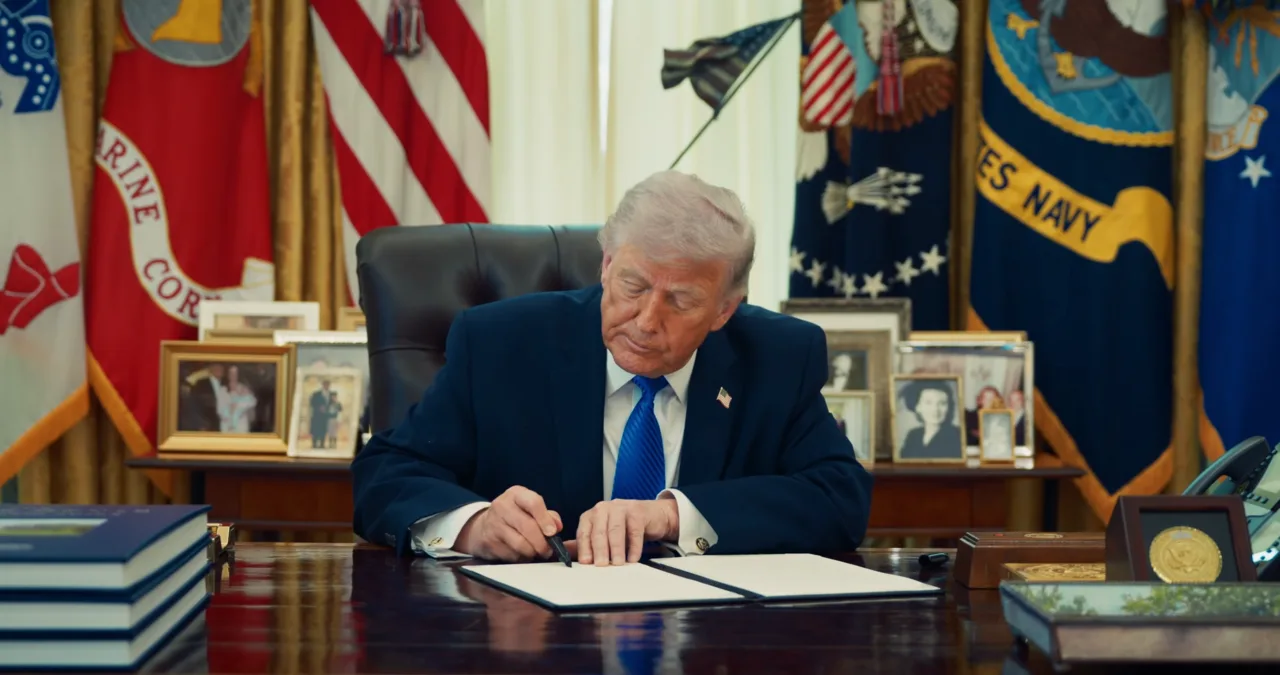
The United States, under Donald Trump, unilaterally withdrew from the nuclear deal in 2018, and instead imposed severe sanctions on Iran. In response, Iran began breaching the agreement with its continued uranium enrichment.
The administration of US President Joe Biden said that it was “encouraged” by Tehran’s response to the proposal by the EU and that it was already working quickly to ensure a mutual return to the nuclear agreement.
US State Department spokesman Ned Price told reporters Monday that Washington is already coming up with an appropriate response to Iran’s answer to the EU-led proposal and will deliver it after internal discussions and consultations with allies.
Price suggested that Iran dropped its request to remove its Islamic Revolutionary Guard Corps from the US Foreign Terrorist Organization designation – which has already been rejected by Biden.
Price’s comments come amidst accusations by Tehran that Washington was slow-walking the return to the agreement.
“We are encouraged by the fact that Iran appears to have dropped some of its non-starter demands such as lifting the FTO designation of the IRGC. But…there are still some outstanding issues that must be resolved, some gaps that must be bridged if we are able to get there,” said Price.