The protests of supporters of Iraqi Shia leader Muqtada-al-Sadr resulted in an ongoing sit-in at the Iraqi parliament. As the sit-in continues, counter-demonstrations are also taking place by rivaling Shia groups.
Counter-demonstrations of rivaling Shia Muslim groups took place amidst the ongoing sit-in of al-Sadr’s supporters at the Iraqi parliament. The protests have since fueled political tensions as the Iraqi government remains in a deadlock.
Iraqi security forces were on alert Monday in the capital Baghdad, in what is seen as the longest post-election deadlock of nearly 10 months without a government following the October elections last year.
The counter-demonstrations were done by groups of parties and militias that are mostly aligned with Iran, also known as the Shia Coordination Framework.
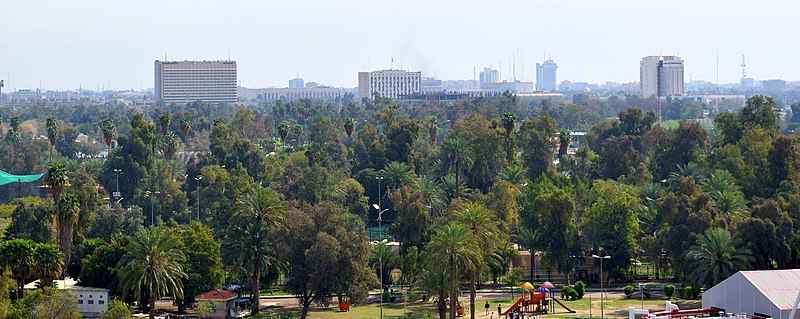
The grouping called for counter-protests, saying that they are aiming to protect state institutions against the civil unrest of the Sadrists. The Coordination Framework’s counter-protests were taking place near the entrance of the Green Zone, where the Iraqi parliament is located.
Those who support the counter-protests said on social media that the counter-demonstrations are not targeting any particular group. One particular officer of a pro-Iran militia said that they feared there might be clashes and hoped that there would be calm instead.
Al-Sadr and his faction gained the most seats during the October elections but stepped down along with his lawmakers after they failed to form a government that did not include the pro-Iran factions.
This has since prevented a government from forming, and parliament cannot convene to choose a president and prime minister when the chamber is occupied by al-Sadr’s supporters.
Prior to the sit-in, hundreds of al-Sadr’s supporters stormed the parliament building to protest against the chamber’s nomination for prime minister by pro-Iran factions. Security forces that were present appeared to have allowed the demonstrators inside.
The demonstrators oppose the candidacy of Mohammed Shia al-Sudani, a former minister and a former provincial governor under the Coordination Framework.
Current Prime Minister Mustafa al-Kadhimi, at the time, called on the demonstrators to immediately leave the Green Zone. al-Kadhimi warned that security forces may look to enforce the order.
Mahmoud Abdelwahed of Al Jazeera said the protesters were coming from many parts of Iraq, and that their message was that they are “against corruption, against corrupt politicians.”