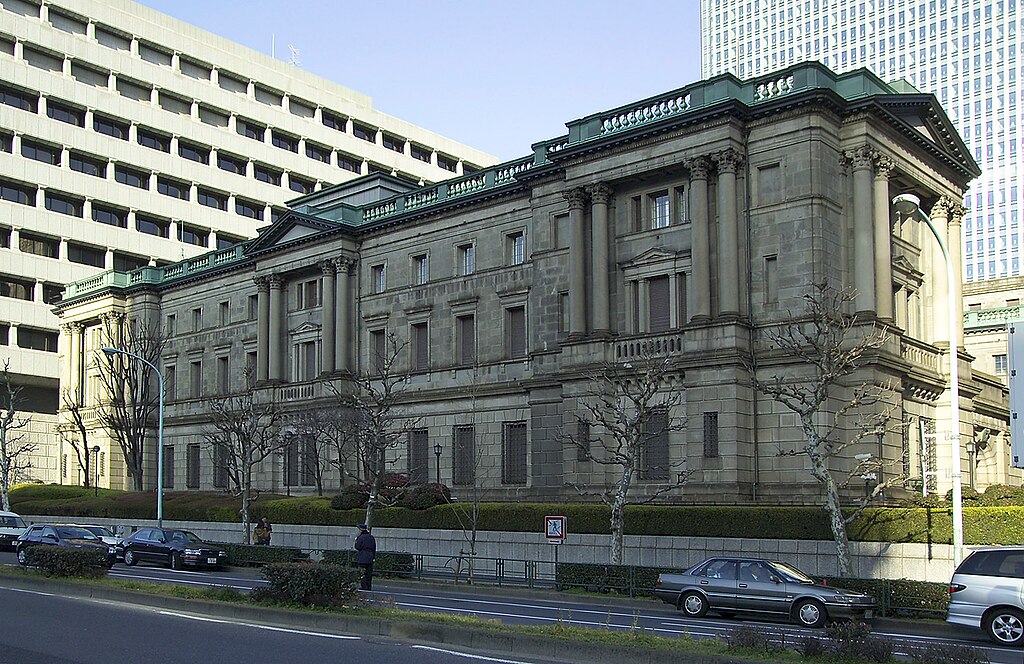
Business sentiment among major Japanese manufacturers climbed to a four-year high in the three months to December, signaling resilience in Japan’s economy despite pressure from higher U.S. tariffs. According to the Bank of Japan’s closely watched Tankan survey released Monday, confidence among large manufacturers improved for a third consecutive quarter, reinforcing market expectations that the BOJ will raise interest rates at its upcoming policy meeting.
The headline index measuring big manufacturers’ business confidence rose to +15 in December, up from +14 in September and in line with the median market forecast. This marked the strongest reading since December 2021, highlighting growing optimism among Japan’s manufacturing sector even as global trade conditions remain challenging. Analysts see this steady improvement as a sign that companies are adapting to external risks, including higher U.S. tariffs.
Sentiment among large non-manufacturers remained robust, with the index holding steady at +34 in December. Although this figure was slightly below the median forecast of +35, it still reflects solid confidence in Japan’s services sector, which has been supported by domestic demand and gradual economic normalization.
The Tankan survey also showed strong capital investment plans. Large companies expect to boost capital expenditure by 12.6% in the current fiscal year ending in March 2026, surpassing expectations of a 12% increase. This suggests firms remain willing to invest in growth, technology, and productivity improvements despite ongoing global uncertainty.
Japan’s economy contracted in the three months to September as exports weakened under the impact of U.S. tariffs. However, economists anticipate a rebound in the current quarter, supported by signs of recovery in exports and factory output. Combined with persistent inflation that has exceeded the BOJ’s 2% target for more than three years, these trends strengthen the case for further monetary tightening.
As a result, the Bank of Japan is widely expected to raise interest rates, potentially lifting them to 0.75% from 0.5% at its two-day policy meeting ending Friday. Such a move would mark another step away from ultra-loose monetary policy, reflecting increased confidence in Japan’s economic momentum and inflation outlook.