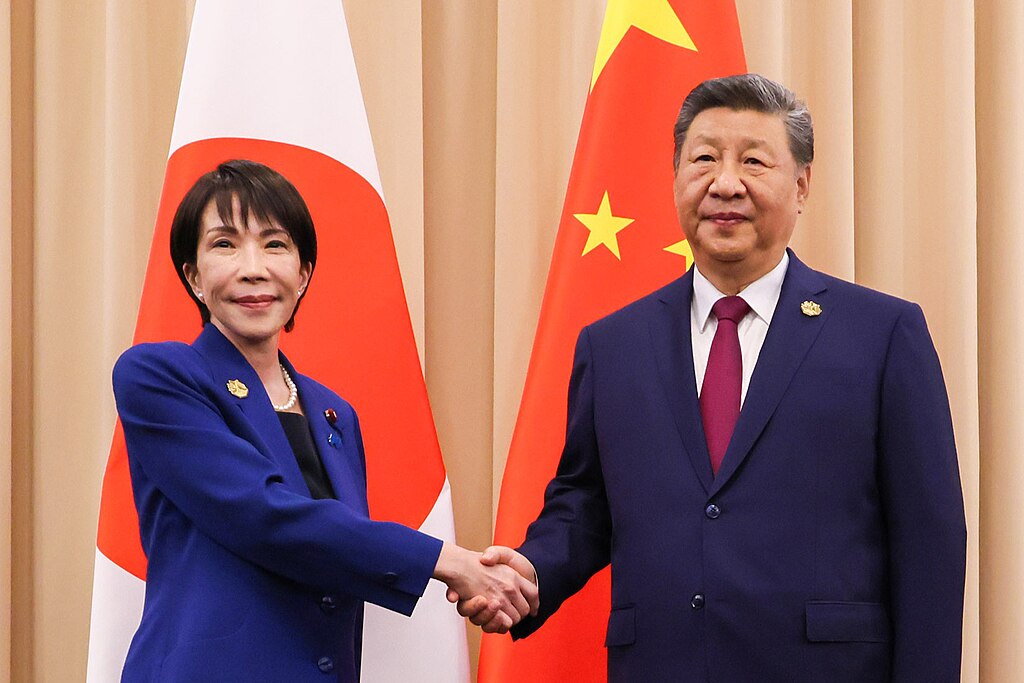
More than two-thirds of Japanese companies believe the domestic economy will suffer as relations with China continue to deteriorate, according to a recent Reuters survey conducted by Nikkei Research. Nearly half of the firms surveyed said they have already experienced or expect to face a direct business impact from the worsening Japan-China relationship, underscoring growing economic and geopolitical risks in Asia.
Tensions escalated after Prime Minister Sanae Takaichi stated in November that a potential Chinese attack on Taiwan could pose an existential threat to Japan, a comment China condemned as provocative. China, which considers Taiwan part of its territory, has since advised its citizens against traveling to Japan and imposed export restrictions on items with potential military applications. These moves have raised concerns among Japanese businesses, particularly about possible curbs on rare-earth exports, which are critical to the automotive and electronics industries. Despite Japan’s efforts to diversify supply chains, China still accounts for roughly 60% of Japan’s rare-earth imports.
The survey revealed that about 9% of respondents have already seen their business affected, while 35% anticipate future disruption. Companies in tourism, manufacturing, and transportation reported declining Chinese visitor numbers, supply chain uncertainty, and potential revenue losses. Several firms indicated they may reassess or reduce their China-related business exposure if bilateral relations continue to deteriorate.
The poll also explored views on Japan’s monetary policy. Around two-thirds of respondents said the Bank of Japan’s recent interest rate hike to 0.75%, the highest level in three decades, was appropriate. However, others warned higher rates could dampen capital investment, especially for debt-heavy firms. Opinions on the timing of the next rate hike were divided, with many favoring gradual tightening to balance inflation control and economic growth.
Overall, the survey highlights how geopolitical tensions with China and shifting monetary policy are reshaping business sentiment in Japan, raising concerns about trade, investment, and long-term economic stability.