


 US Supreme Court Denies Release of Anti-ICE Activist Kyle Wagner
  Trump Confirms US Intelligence Sharing With Ukraine Amid Russian Strikes
  Zelenskiy Seeks New US Talks to Revive Ukraine-Russia Peace Negotiations
  India Voter List Protests Reach Supreme Court as Opposition Demands Election Chief's Resignation
  US Senate Midterms 2026: Key Races That Could Flip Control
  SpaceX Starlink Restrictions Disrupt Ukraine Military Operations
  Italy’s Meloni Warns US-Russia Diesel Deal Could Weaken Ukraine Sanctions
  US Condemns China Sanctions on Taiwan Allies Belize and Paraguay
  NATO Commander Warns Russia of Devastating Response to Attack
  Gaza Olive Harvest Collapses as War Destroys Farmland
  Zelenskiy Says Ukraine Received No Warning Before Russian Missile Attack
  Trump Plans White House Shake-Up of Key AI Safety Agency
  Elon Musk Donates $366 Million to 2026 US Midterms
  China Resumes US Soybean Purchases After Trump-Xi Summit
  Trump Denies Russia and China Are Helping Iran in U.S. Conflict
  Trump Warns Houthis Over Attacks, Considers Erdogan Intervention
  North Korea Fires Ballistic Missiles Amid Rising Tensions With South Korea


 Add as a preferred source on Google
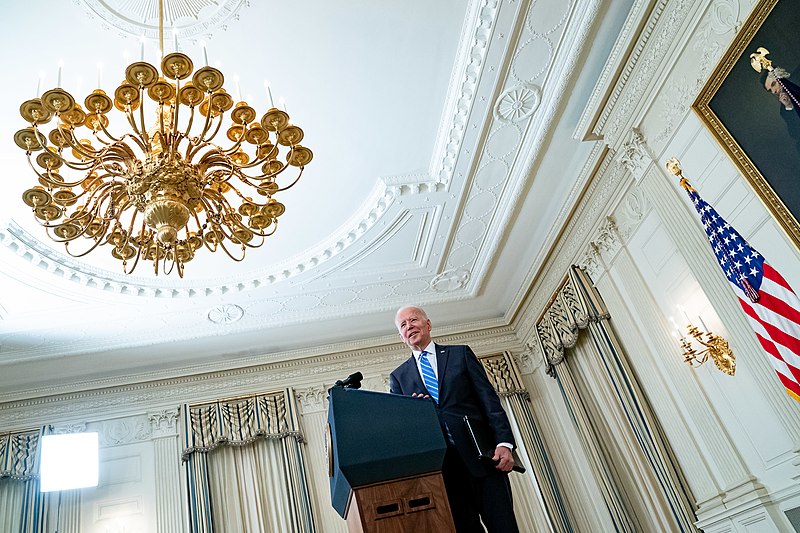
Following the initially chaotic exit from Afghanistan that was caught off-guard by the surfacing of the Taliban, US President Joe Biden has stood by his decision for the US to leave the war-torn country. Biden’s recent speech defending his decision also signals his desire to approach foreign policy in a manner that does not involve military intervention.
Last week, Biden addressed the nation hours after the final US military plane took off from Kabul, marking the end of the US military presence in the region. In his remarks, Biden noted that the withdrawal also marks an end to an era of the US using its military presence to “remake other countries.” While Biden said that human rights remain to be at the core of the country’s foreign policy, it should not be done through the military.
It may come as a surprise to some, who have grown used to military intervention from the US in other countries. It may also come as other US allies have expressed frustration regarding the US’ credibility following the Afghanistan evacuations. However, polls have shown that Biden’s approach is likely going to be popular.
77 percent of Americans have favored the withdrawal of the US from Afghanistan. Biden has also received support from the majority of military veterans, including those who have served in Afghanistan. This is despite many media outlets framing the situation as messy and casting doubt on the handling of the withdrawal even after it was successful.
Marquette School Law professor Charles Franklin told AFP that withdrawing from Afghanistan is a rare moment that both Biden and his disgraced predecessor Donald Trump agree on. Franklin said that when Biden announced the decision to pull the US out, it could have easily been a decision made by Trump. “The public is not committed to a large international role, certainly not of the sort the US played in the 1950s - 1990s,” added Franklin.
Meanwhile, Biden will be traveling to New York and New Jersey this week to survey the damage caused by Hurricane Ida on the states. The storm led to 47 fatalities over the weekend, flooding several routes of transportation. Biden will be going to Queens, New York, and to Manville, New Jersey on Tuesday.







