


 Trump Warns Houthis Over Attacks, Considers Erdogan Intervention
  Panama Declares Emergency After 7.7 Earthquake Triggers 200 Aftershocks
  Kim Jong Un Showcases ICBM Ahead of Possible Trump Meeting
  Trump Plans White House Shake-Up of Key AI Safety Agency
  Trump Sanctions International Criminal Court, Sparking EU Backlash
  European Auto Stocks Rise as EU-China Trade Deal Targets Hybrid Imports
  Trump Denies Russia and China Are Helping Iran in U.S. Conflict
  Zelenskiy Seeks New US Talks to Revive Ukraine-Russia Peace Negotiations
  MI5 Warns of Rising Iran, Russia Threats and AI Bioweapon Risks
  US Authorities Raid Ilhan Omar’s Home Amid Immigration Fraud Probe
  North Korea Fires Ballistic Missiles Amid Rising Tensions With South Korea
  Greenland Lawmakers Back Trump Security Deal Despite Economic Concerns
  Trump Defends Russian Diesel Deal Amid US Sanctions Backlash
  Elon Musk Donates $366 Million to 2026 US Midterms
  NATO Commander Warns Russia of Devastating Response to Attack
  US Condemns China Sanctions on Taiwan Allies Belize and Paraguay
  India Voter List Protests Reach Supreme Court as Opposition Demands Election Chief's Resignation


 Add as a preferred source on Google
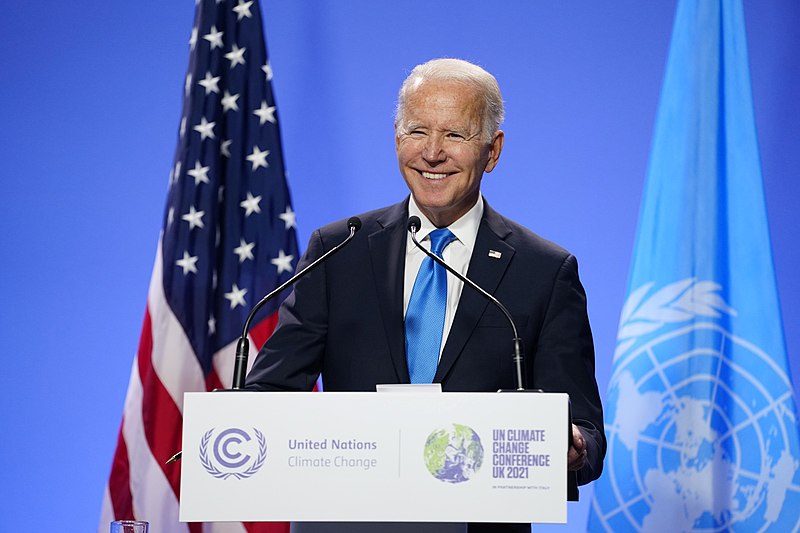
Following the passage of US President Joe Biden’s Build Back Better act in the House, it now heads to the Senate for another round of negotiations. Minnesota Democratic Senator Amy Klobuchar expressed confidence that the social infrastructure bill will pass the Senate.
Klobuchar gave her assurance that the Build Back Better legislation would pass the Senate. This was in response to West Virginia Democratic Senator Joe Manchin saying that the bill should wait until 2022 to pass. Manchin is one of the key holdouts in the evenly divided Senate along with Arizona Democratic Senator Kyrsten Sinema.
“Senator Manchin is still at the negotiating table, talking to us every day,” Klobuchar said on ABC’s “This Week.” “We can get this done. It’s- to me, it’s an old song.”
The legislation faces an uphill battle in the evenly divided Senate. While Republicans are unanimously opposed to the bill, moderate Democrats are pushing for a much lower price tag compared to the initially proposed $3.5 trillion number. Manchin has publicly opposed several provisions in the bill, such as those addressing the climate crisis and the child tax credit.
Universal preschool and four weeks of paid leave are also included in the social infrastructure bill, which would be funded by increasing taxes on the wealthiest.
“We’ve got workforce issues. And that’s why this ‘Build Back Better’ agenda is so important,” said the Minnesota Democrat. “We need people … to go into jobs where we have shortages.”
Aside from passing the Build Back Better legislation, Senate Democrats are also looking to raise the debt ceiling to prevent the government from going into default.
The Biden administration is also anticipating possible cases of the newly-discovered Omicron variant of the coronavirus. In remarks from the White House with Vice President Kamala Harris and Chief Medical Adviser Dr. Anthony Fauci, Biden said that the new variant may be a cause for concern, but he urged Americans not to panic.
Biden also said he does not foresee any further lockdowns or travel restrictions, saying that they are more prepared today to tackle the virus. The US leader also reiterated the importance of vaccines and booster shots for protection.







