


 Container Ship Sinks in Strait of Hormuz as Iran Attacks Escalate
  US Recalls Nicaragua Envoy After Ambassador Rejection
  Elon Musk Donates $366 Million to 2026 US Midterms
  China Warns Taiwan Over South China Sea Coast Guard Incident
  Jordan Bardella Antisemitism Allegations Threaten Le Pen’s Campaign
  Zelenskiy Says Ukraine Received No Warning Before Russian Missile Attack
  US Supreme Court Denies Release of Anti-ICE Activist Kyle Wagner
  China Resumes US Soybean Purchases After Trump-Xi Summit
  IMF Warns US Debt Crisis Needs Fiscal Action, Urges China to Boost Consumption
  Trump Confirms US Intelligence Sharing With Ukraine Amid Russian Strikes
  Gaza Olive Harvest Collapses as War Destroys Farmland
  Trump Warns Houthis Over Attacks, Considers Erdogan Intervention
  MI5 Warns of Rising Iran, Russia Threats and AI Bioweapon Risks
  Italy’s Meloni Warns US-Russia Diesel Deal Could Weaken Ukraine Sanctions
  US Justice Department Drops Prosecution of Ex-CIA Analyst Sue Mi Terry
  Trump Denies China, Russia Are Helping Iran in War
  Trump Denies Russia and China Are Helping Iran in U.S. Conflict


 Add as a preferred source on Google
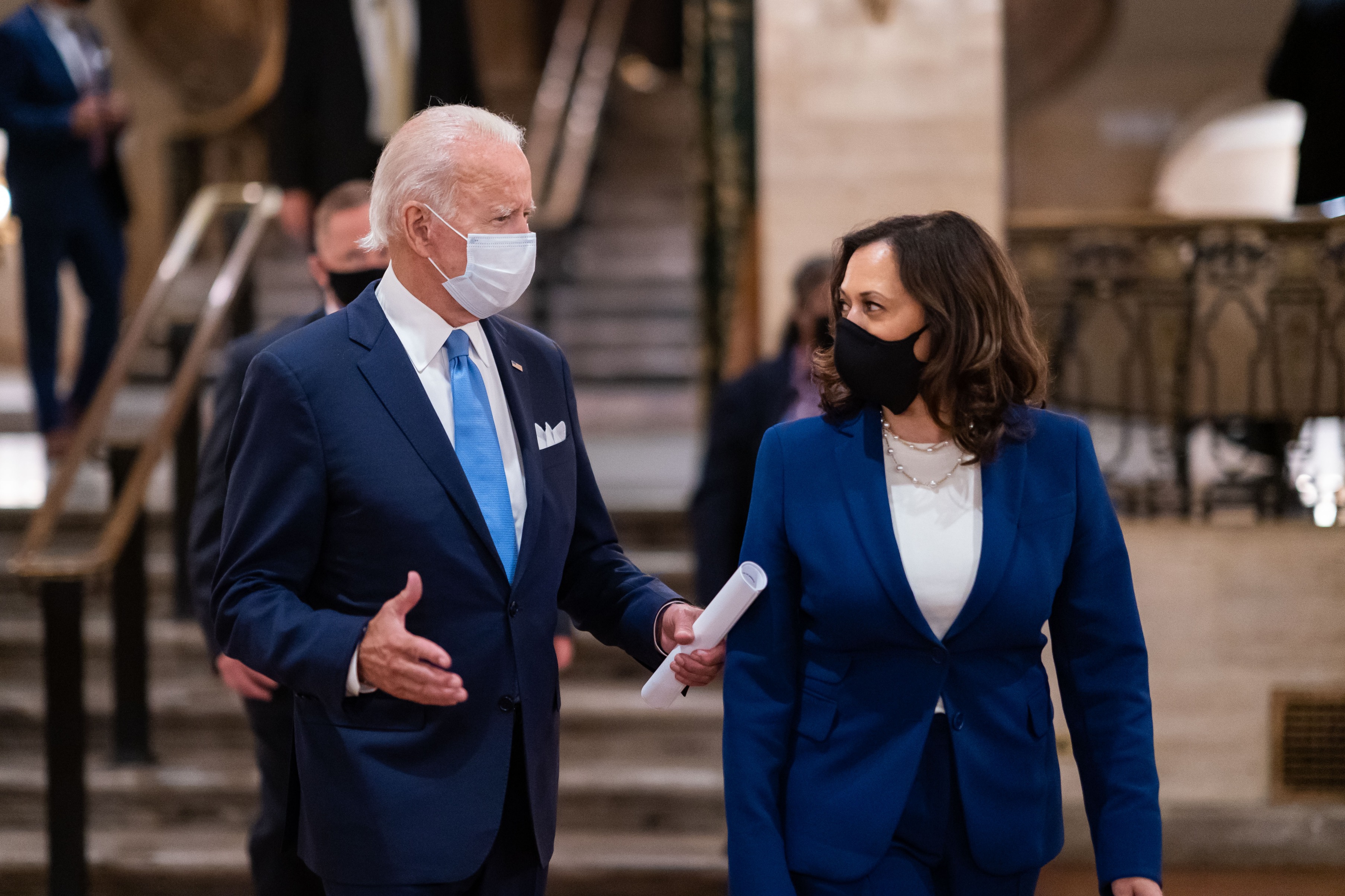
President-elect Joe Biden is moving along with his picks for his potential Cabinet. In his latest announcement, Biden has named Susan Rice and Denis McDonough as his nominees for Domestic Policy and Veterans’ Affairs.
The former vice president has now tapped Susan Rice and Denis McDonough for key positions in his Cabinet. Both have previously served in the Obama administration and now, they are poised to serve under the Biden administration in 2021 as well. Rice, who was a National Security Advisor and UN ambassador under the Obama administration, will be serving in the Biden administration as the director of the White House Domestic Policy Council. Rice’s role will essentially give her a lot of influence over the Biden administration’s approach to issues such as immigration, healthcare, and racial inequality. Rice was previously included in the shortlist to become Biden’s running mate.
McDonough, who previously served as the chief of staff for former President Barack Obama during his administration, is picked to become the Veterans Affairs Secretary. The department has presented organizational challenges for presidents from both parties over the years, and a top veterans group has noted that McDonough has never served in the armed forces. Biden will formally be announcing his nominations of Rice and McDonough on Friday, along with his nominations of Marcia Fudge as Housing and Urban Development Secretary, Tom Vilsack as Agriculture Secretary, and Katherine Tai as the US’ Trade Representative.
The selection of Rice suggests that Biden will be prioritizing domestic policy, according to advisers. Her selection would also bring up the Council to be on the same level as the National Security Council as her potential role has traditionally been low-key. Rice’s role will not need confirmation from the Senate.
Meanwhile, in a meeting with civil rights leaders, Biden has expressed skepticism towards the bounds of his authority as incoming president. In the meeting, Biden revealed that several progressive Democrats are urging for him to take executive actions that may be out of his legal powers as Commander-in-Chief. However, Biden said that he has plans to reverse a lot of Donald Trump’s executive orders once he is in office after he is sworn in and that he would not use his executive powers to mandate actions that are usually left for Congress to decide.
“I am not going to violate the Constitution. Executive authority that my progressive friends talk about is way beyond the bounds,” said Biden.







