


 Trump Confirms US Intelligence Sharing With Ukraine Amid Russian Strikes
  US Justice Department Drops Prosecution of Ex-CIA Analyst Sue Mi Terry
  Italy’s Meloni Warns US-Russia Diesel Deal Could Weaken Ukraine Sanctions
  Trump Denies Russia and China Are Helping Iran in U.S. Conflict
  Trump Warns Houthis Over Attacks, Considers Erdogan Intervention
  SpaceX Starlink Restrictions Disrupt Ukraine Military Operations
  Gaza Olive Harvest Collapses as War Destroys Farmland
  MI5 Warns of Rising Iran, Russia Threats and AI Bioweapon Risks
  US Senate Midterms 2026: Key Races That Could Flip Control
  Trump Announces Massive Oil and Mineral Exploration Plans in Greenland
  China Warns Taiwan Over South China Sea Coast Guard Incident
  IMF Warns US Debt Crisis Needs Fiscal Action, Urges China to Boost Consumption
  US Supreme Court Denies Release of Anti-ICE Activist Kyle Wagner
  India Voter List Protests Reach Supreme Court as Opposition Demands Election Chief's Resignation
  Jordan Bardella Antisemitism Allegations Threaten Le Pen’s Campaign
  Trump Denies China, Russia Are Helping Iran in War
  Greenland Lawmakers Back Trump Security Deal Despite Economic Concerns


 Add as a preferred source on Google
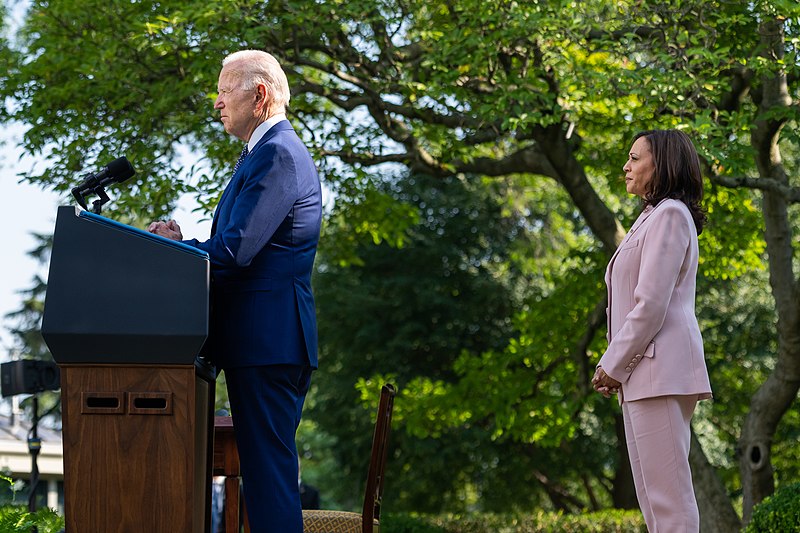
This week, US President Joe Biden is looking to reach a deal amongst lawmakers of his own party over the bill that makes up the bulk of his economic agenda. Biden met with both progressive and centrist Democrats this week to oversee further negotiations.
Biden met with the two factions of the Democratic Party Tuesday at the White House in the hopes of getting to a deal regarding the proposal that would be passed by party lines. Later on in the day, progress was apparently made towards the bill. White House Press Secretary Jen Psaki released a statement Tuesday evening saying that the talks between Biden and Democratic lawmakers were “constructive.”
“The president is more confident this evening about the path forward,” said Psaki in the statement. Psaki added that the talks were “focused around a shared commitment to the care economy, ensuring working families have more breathing room, addressing the climate crisis, and investing in industries of the future.”
This appears to hint at which provisions would remain in the bill and which provisions would be left out of the bill. Provisions that would tackle climate change are among the aspects that would remain in the proposal.
The meetings with both factions Tuesday come as lawmakers look to unite the party in order to pass the bill alongside the bipartisan infrastructure proposal that has already passed the Senate. The result of the discussions would also determine whether the bipartisan infrastructure proposal could also pass the House in time for Biden to sign the bill into law.
Both Senate Majority Leader Chuck Schumer and House Speaker Nancy Pelosi have said that they hope both bills are passed by the end of October.
Biden will continue to shore up public support of both bills as he visits Scranton, Pennsylvania this week to promote the proposals. The US leader has said that he is open to cutting down the timeline where the proposals would be applicable in order to have a smaller proposal rather than cut out programs entirely. The original $3.5 trillion bill would be spaced out in a span of 10 years.







