


 Most Americans Oppose Election Betting on Prediction Markets, Poll Finds
  MI5 Warns of Rising Iran, Russia Threats and AI Bioweapon Risks
  Zelenskiy Says Ukraine Received No Warning Before Russian Missile Attack
  China Resumes US Soybean Purchases After Trump-Xi Summit
  Gaza Olive Harvest Collapses as War Destroys Farmland
  Trump Warns Houthis Over Attacks, Considers Erdogan Intervention
  Zelenskiy Seeks New US Talks to Revive Ukraine-Russia Peace Negotiations
  Flavio Bolsonaro Backs Brazil’s 40-Hour Workweek Reform Ahead of Runoff
  North Korea Fires Ballistic Missiles Amid Rising Tensions With South Korea
  Greenland Lawmakers Back Trump Security Deal Despite Economic Concerns
  Kim Jong Un Showcases ICBM Ahead of Possible Trump Meeting
  Italy’s Meloni Warns US-Russia Diesel Deal Could Weaken Ukraine Sanctions
  China Warns Taiwan Over South China Sea Coast Guard Incident
  NATO Commander Warns Russia of Devastating Response to Attack
  US Justice Department Drops Prosecution of Ex-CIA Analyst Sue Mi Terry
  US Condemns China Sanctions on Taiwan Allies Belize and Paraguay
  US Senate Midterms 2026: Key Races That Could Flip Control


 Add as a preferred source on Google
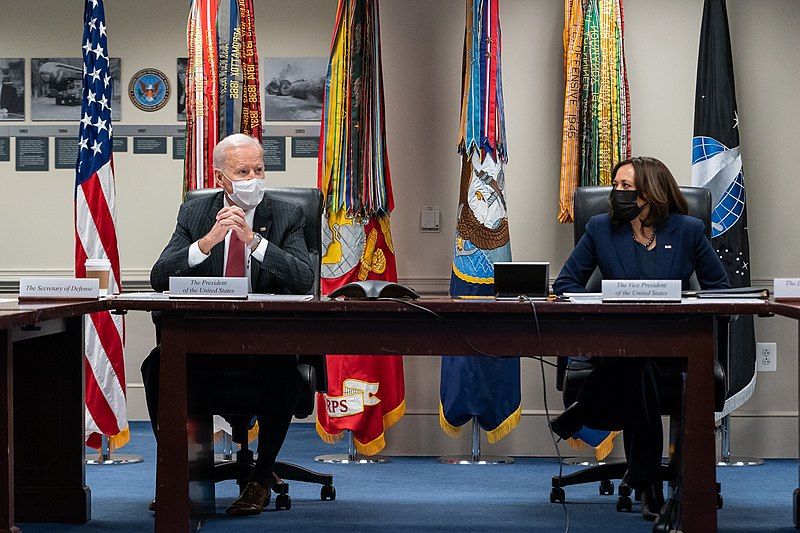
Joe Biden previously threatened Myanmar’s military leaders with possible sanctions should the coup made due to the November elections remain. Now, Biden has decided to impose said sanctions on the country’s military leaders in response to the crisis.
Biden made a brief address on Wednesday, announcing his approval of an executive order that would have the US impose sanctions on Myanmar’s military leaders, following the coup that was done. The targets of those sanctions would be revealed this week, however, the sanctions also apply to the business interests of the leaders that directed the coup and their close family members.
Biden noted that the government will be carrying out measures to prevent the military generals to gain access to the $1 billion in Burmese government funds that are held in the US. The president noted that despite withholding access from the generals, the US will still support the needs of the Burmese people, Burma being the other name of Myanmar. Biden also called on the military junta to release detained protesters as well as leaders Aung San Sung Kyi and Win Mynt while also standing down from their responses to the protesters.
“The military must relinquish power they’ve seized and demonstrate respect for the will of the people of Burma, as expressed in their November 8 election,” said Biden, who also stressed that the conflict at hand is a bipartisan and international concern. “We’ll be ready to impose additional measures and we’ll continue to work with our international partners to urge other nations to join us in these efforts.”
Biden recently got in touch with Indian Prime Minister Narendra Modi where they reaffirmed the ties between the two countries. Modi tweeted about his phone conversation with Biden this week, their conversation centering on their shared priorities as well as regional issues. Modi also shared that the two leaders expressed their mutual commitment to an “international, rules-based order.”
A White House statement regarding the call also revealed that Biden expressed his desire to protect democratic institutions and norms all over the world, noting that the shared commitment to democratic values being the basis of the US-India relationship.







