


 Trump Defends Russian Diesel Deal Amid US Sanctions Backlash
  Trump Denies China, Russia Are Helping Iran in War
  Trump Denies Russia and China Are Helping Iran in U.S. Conflict
  Trump Plans White House Shake-Up of Key AI Safety Agency
  US Senate Midterms 2026: Key Races That Could Flip Control
  Trump Warns Houthis Over Attacks, Considers Erdogan Intervention
  Most Americans Oppose Election Betting on Prediction Markets, Poll Finds
  SpaceX Starlink Restrictions Disrupt Ukraine Military Operations
  NATO Commander Warns Russia of Devastating Response to Attack
  North Korea Fires Ballistic Missiles Amid Rising Tensions With South Korea
  China Warns Taiwan Over South China Sea Coast Guard Incident
  US Recalls Nicaragua Envoy After Ambassador Rejection
  MI5 Warns of Rising Iran, Russia Threats and AI Bioweapon Risks
  US Supreme Court Denies Release of Anti-ICE Activist Kyle Wagner
  India Voter List Protests Reach Supreme Court as Opposition Demands Election Chief's Resignation
  Flavio Bolsonaro Backs Brazil’s 40-Hour Workweek Reform Ahead of Runoff
  US Condemns China Sanctions on Taiwan Allies Belize and Paraguay


 Add as a preferred source on Google
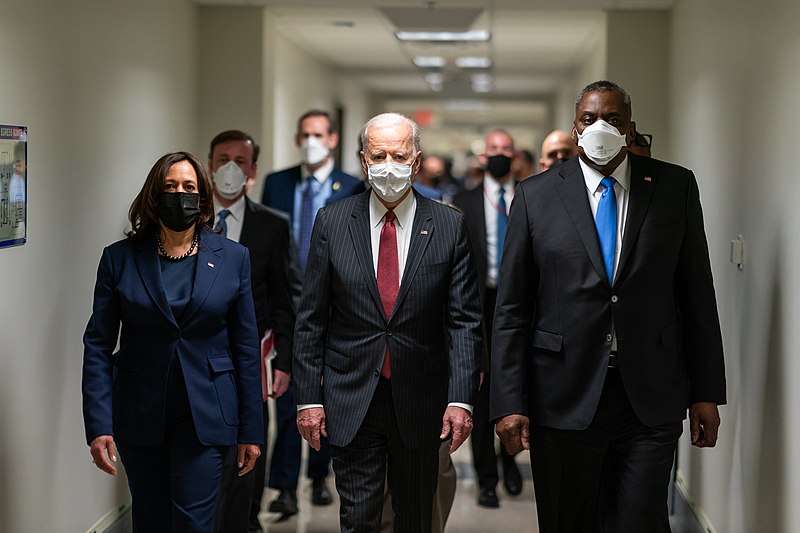
Relations between the United States and China were heavily strained during the Trump administration, but President Joe Biden seeks to approach the situation regarding China differently. The US is set to re-engage the alliance of the “Quad” to discuss the appropriate action to take against China.
The US State Department announced that Secretary Antony Blinken will be speaking virtually to his counterparts in the countries that are part of the alliance known as the Quad - Australia, India, and Japan - this week. They would have climate change and the ongoing COVID-19 pandemic as part of their agenda in the upcoming meeting on Thursday. This comes as relations between the other countries with China have been strained.
“These discussions with the Quad foreign ministers is critical to advancing our shared goals of a free and open Indo-Pacific and rising to the defining challenges of our times,” said State Department spokesman Ned Price last week Wednesday.
China’s state outlet Global Times warned Biden last month against renewing the Quad alliance. The outlet cited that it would be a “serious strategic blunder” and that it could spark a confrontation with China as it attempts to prevent the Communist nation’s expansionist goals. The commentary in the outlet placed some pressure on India, noting that it has the power to end the alliance and warning against affiliating itself with the anti-China rhetoric by the US. Back in November 2020, the Quad nations conducted a four-way Naval exercise in the Bay of Bengal and the Arabian Sea, marking Australia’s first participation in a military exercise in 10 years.
In other related news, Biden extended the national emergency declaration with respect to Iran back in 1995 last week. Biden informed House Speaker Nancy Pelosi of the decision in a letter, noting that he will retain the sanctions imposed on Iran as a response to the threat. Biden went on to explain the letter that the decision to extend the national emergency declaration came as a result of the actions and policies imposed by the Iranian government that could be seen as a possible threat to the interests of the United States.







