


 Trump Confirms US Intelligence Sharing With Ukraine Amid Russian Strikes
  Trump Denies Russia and China Are Helping Iran in U.S. Conflict
  Gaza Olive Harvest Collapses as War Destroys Farmland
  Jordan Bardella Antisemitism Allegations Threaten Le Pen’s Campaign
  US Justice Department Drops Prosecution of Ex-CIA Analyst Sue Mi Terry
  Zelenskiy Seeks New US Talks to Revive Ukraine-Russia Peace Negotiations
  Most Americans Oppose Election Betting on Prediction Markets, Poll Finds
  US Senate Midterms 2026: Key Races That Could Flip Control
  Zelenskiy Says Trump’s Support for Russia Is ‘Painful’
  Kim Jong Un Showcases ICBM Ahead of Possible Trump Meeting
  Netanyahu Rejects Preemptive Iran Strike Ahead of Israel Election
  SpaceX Starlink Restrictions Disrupt Ukraine Military Operations
  US Condemns China Sanctions on Taiwan Allies Belize and Paraguay
  FBI Denies Report of Kash Patel’s Russia Visit
  Italy’s Meloni Warns US-Russia Diesel Deal Could Weaken Ukraine Sanctions
  China Warns Taiwan Over South China Sea Coast Guard Incident
  UN Urges Talks on Lebanon Peacekeeping Mission Extension


 Add as a preferred source on Google
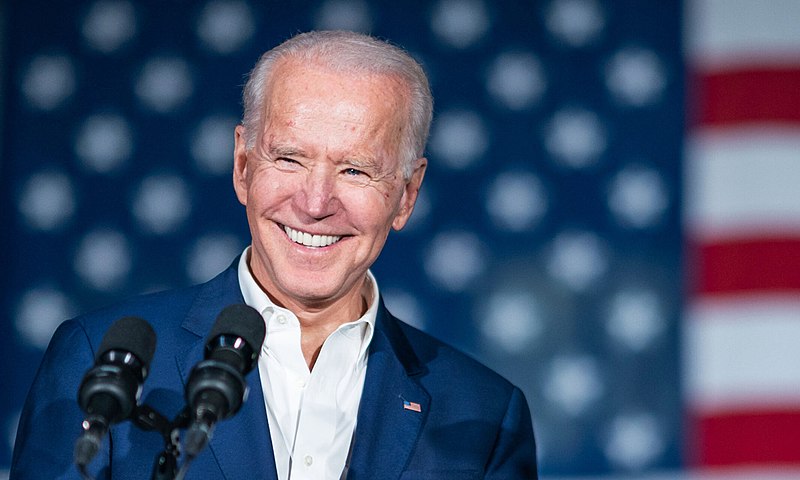
Not long after his inauguration, Joe Biden has quickly reversed some of Donald Trump’s policies and orders. However, Biden may maintain some initiatives from his predecessor, Space Force being one of them.
Biden may likely keep Space Force around although that may not be among the top priorities that his administration is aiming to tackle at the moment. This is because, in order to dissolve Space Force, it would require elimination from Congress. So far, Congress has agreed on a bipartisan level that the country’s dependence on space would be something that should be addressed by a branch of the military that is focused on this potential issue. The US’ soured relations with China has also become a factor in its creation as with Russia, both countries accused by Washington of testing the US’s presence in space.
“They’re building capabilities to use space against us. We have to be able to respond to that,” said vice chairman of the Joint Chiefs of Staff General Hyten to the National Space Association advocacy group. When pressed what Space Force will be under Biden’s administration, Hyten expressed his belief that Space Force should remain.
Biden has yet to comment on what the military’s involvement in space will be. However, upon occupying the Oval Office, Biden displayed a moon rock from the Apollo 17 mission. Defense Secretary Lloyd Austin was asked about whether or not a separate service that is focused on space was necessary prior to his confirmation at the Senate. While Austin did not suggest repealing the unit, he said he would study it and that space was a “vital interest.”
Meanwhile, Biden’s administration has pledged to safeguard American telecom companies from “untrusted vendors” that pose a threat to national security. Washington has accused Chinese telecom company Huawei of being capable to spy on its customers and intellectual property theft. Huawei has denied the accusations.
“Telecommunications equipment made by untrusted vendors including Huawei is a threat to the security of the US and our allies,” said White House press secretary Jen Psaki at the daily briefing. “We’ll ensure that the American telecommunications network … do not use equipment from untrusted vendors and we’ll work with allies to secure their telecommunications networks and make investments to expand production of telecommunications equipment by trusted US vendors and allied companies.”







