


 China Warns Taiwan Over South China Sea Coast Guard Incident
  India Voter List Protests Reach Supreme Court as Opposition Demands Election Chief's Resignation
  US Condemns China Sanctions on Taiwan Allies Belize and Paraguay
  Kim Jong Un Showcases ICBM Ahead of Possible Trump Meeting
  Trump Confirms US Intelligence Sharing With Ukraine Amid Russian Strikes
  Zelenskiy Says Ukraine Received No Warning Before Russian Missile Attack
  Greenland Lawmakers Back Trump Security Deal Despite Economic Concerns
  US Recalls Nicaragua Envoy After Ambassador Rejection
  MI5 Warns of Rising Iran, Russia Threats and AI Bioweapon Risks
  Trump Warns Houthis Over Attacks, Considers Erdogan Intervention
  US Justice Department Drops Prosecution of Ex-CIA Analyst Sue Mi Terry
  Trump Defends Russian Diesel Deal Amid US Sanctions Backlash
  Trump Denies China, Russia Are Helping Iran in War
  Flavio Bolsonaro Backs Brazil’s 40-Hour Workweek Reform Ahead of Runoff
  Gaza Olive Harvest Collapses as War Destroys Farmland
  NATO Commander Warns Russia of Devastating Response to Attack
  Trump Denies Russia and China Are Helping Iran in U.S. Conflict


 Add as a preferred source on Google
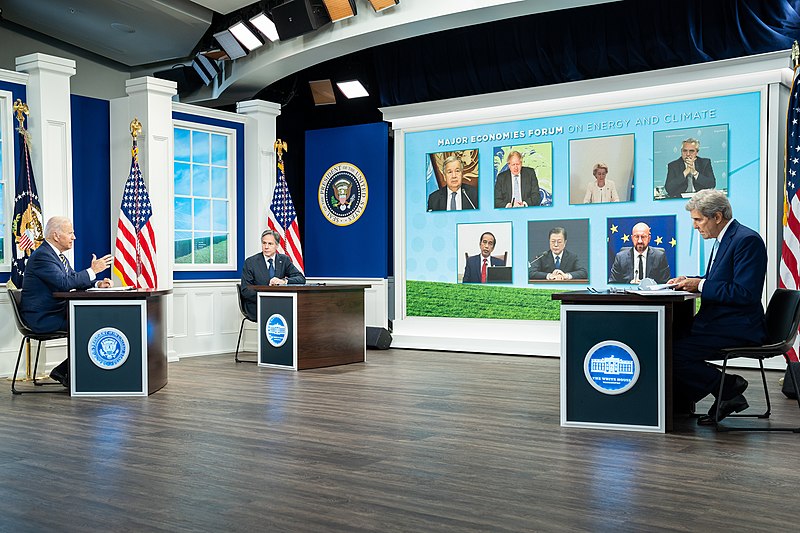
US President Joe Biden recently attended the virtual US-ASEAN summit this week. The US leader reaffirmed the commitment by the US to supporting its Southeast Asian allies and condemned the coup that occurred in Myanmar.
Biden attended the virtual summit of Southeast Asian nations Wednesday, marking the US’ attendance at the annual conference for the first time in four years. The US leader reaffirmed the country’s commitment to supporting its allies and partners in the region and reiterated the importance of a free and open Indo-Pacific.
“The relationship between the United States and ASEAN is vital, vital for the future of all one billion of our people,” said Biden in his opening remarks. “Our partnership is essential to maintaining a free and open Indo-Pacific which has been the foundation of our shared security and prosperity for many decades.”
The Southeast Asian region has been in the midst of increasing disputes between the US and China. The nations surrounding the South China Sea have been angered by China’s sweeping claims over the majority of the body of water. China has also made claims over the island nation of Taiwan and its democratic government, which Taiwan has resisted and opposed.
Biden also pledged to speak out for human rights, noting the abuses against the Muslim minorities in China’s Xinjiang region as well as in Tibet and in Hong Kong. Biden also joined the other nations present in condemning the coup that occurred in Myanmar and called for the violence to end and the junta’s political prisoners to be released. The US leader described the coup as “increasingly undermining regional stability.”
In other related news, Reuters reports two Senators have urged Biden not to impose sanctions on India for purchasing Russia’s S-400 air defense system. Republican Senator John Cornyn of Texas and Democratic Senator Mark Warner of Virginia wrote a letter to Biden Tuesday calling to waive sanctions on India. The two lawmakers cited national security and growing cooperation between the US and India as reasons not to impose sanctions.
A law in the US passed in 2017 said that any country that engages in Russian defense and intelligence sectors is to face sanctions from the US.







