


 US Authorities Raid Ilhan Omar’s Home Amid Immigration Fraud Probe
  North Korea Fires Ballistic Missiles as Tensions With South Korea Escalate
  Zelenskiy Says Ukraine Received No Warning Before Russian Missile Attack
  NATO Commander Warns Russia of Devastating Response to Attack
  Mahmoud Abbas Postpones Palestinian Elections to September 2027
  Djibouti Migrant Boat Capsizes, Killing 139 and Leaving 84 Missing
  US Condemns China Sanctions on Taiwan Allies Belize and Paraguay
  Trump Denies China, Russia Are Helping Iran in War
  US Supreme Court Denies Release of Anti-ICE Activist Kyle Wagner
  India Voter List Protests Reach Supreme Court as Opposition Demands Election Chief's Resignation
  Elon Musk Donates $366 Million to 2026 US Midterms
  Most Americans Oppose Election Betting on Prediction Markets, Poll Finds
  US Judge Blocks Trump Administration’s Taxpayer-Funded Political Ads
  Flavio Bolsonaro Backs Brazil’s 40-Hour Workweek Reform Ahead of Runoff
  Pakistan Declares Emergency in Khyber Pakhtunkhwa, Suspends Imran Khan’s PTI Government
  Kim Jong Un Showcases ICBM Ahead of Possible Trump Meeting


 Add as a preferred source on Google
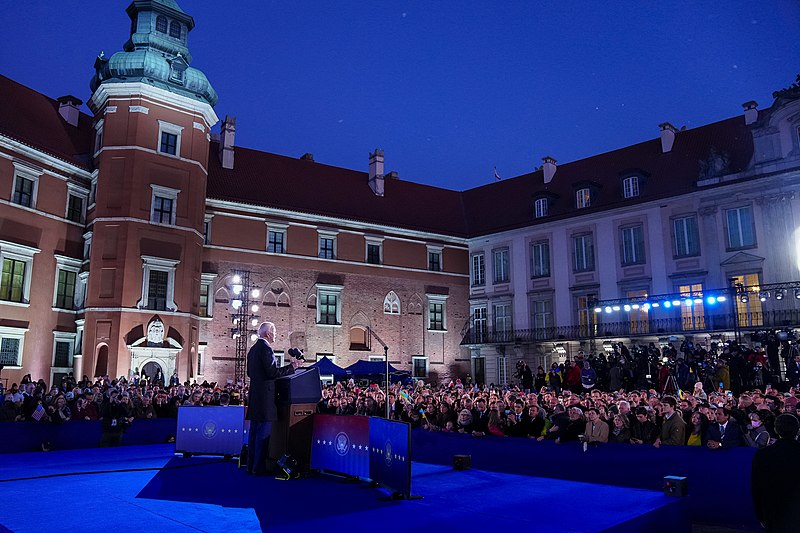
US President Joe Biden recently clarified his comments about Russian dictator Vladimir Putin in his speech in Warsaw over the weekend. The US leader said that his remarks did not mean that he was calling for a regime change in Russia.
The Hill reports Sunday that Biden clarified what he meant when he said Putin could not stay in power, explaining that he was not calling for a regime change. Reporters pressed the US leader upon leaving church on whether his comment about Putin was calling for him to be removed, Biden said it was not.
The White House has scrambled to walk back Biden’s remarks about his Russian counterpart, saying that Biden was referring to Putin’s attempt to exercise power outside of Russia. US Secretary of State Antony Blinken also clarified the comments Sunday, saying that Washington was not advocating to oust Putin.
“I think the president, the White House, made the point last night that, quite simply, President Putin cannot be empowered to wage war or engage in aggression against Ukraine or anyone else,” Blinken told reporters during his visit to Jerusalem.
“As you know, and as you have heard us say repeatedly, we do not have a strategy of regime change in Russia – or anywhere else, for that matter,” Blinken added, noting that the decision to remove Putin would rest on the Russian people, many of whom have protested the invasion on Ukraine.
In other related news, Biden has unveiled his fiscal year 2023 budget proposal Monday. While the proposal would seek to reduce the deficit, Biden has acknowledged that inflation would continue to be a problem for the overall economy.
During the White House event unveiling the proposal, the US leader said that the proposal would be made up of three parts: fiscal responsibility, safety and security, and investments to “build a better America.”
Biden said that the $1.3 trillion budget cut would make the “largest one-year reduction in the deficit in US history.”
The proposed budget also includes $6.9 billion for the European Deterrence Initiative and NATO, “countering Russian aggression to support Ukraine.”
The national security spending proposal has received criticism from both sides, with Republican Senate Minority Leader Mitch McConnell saying that the spending is too low, while Progressive Senator Bernie Sanders said that an increase in defense spending is not necessary.







