


 Most Americans Oppose Election Betting on Prediction Markets, Poll Finds
  Gaza Olive Harvest Collapses as War Destroys Farmland
  Trump Denies China, Russia Are Helping Iran in War
  Trump Defends Russian Diesel Deal Amid US Sanctions Backlash
  US Senate Midterms 2026: Key Races That Could Flip Control
  Zelenskiy Seeks New US Talks to Revive Ukraine-Russia Peace Negotiations
  IMF Warns US Debt Crisis Needs Fiscal Action, Urges China to Boost Consumption
  China Resumes US Soybean Purchases After Trump-Xi Summit
  Trump Plans White House Shake-Up of Key AI Safety Agency
  Elon Musk Donates $366 Million to 2026 US Midterms
  US Supreme Court Denies Release of Anti-ICE Activist Kyle Wagner
  Trump Denies Russia and China Are Helping Iran in U.S. Conflict
  North Korea Fires Ballistic Missiles Amid Rising Tensions With South Korea
  US Condemns China Sanctions on Taiwan Allies Belize and Paraguay
  SpaceX Starlink Restrictions Disrupt Ukraine Military Operations
  Trump Warns Houthis Over Attacks, Considers Erdogan Intervention
  Greenland Lawmakers Back Trump Security Deal Despite Economic Concerns


 Add as a preferred source on Google
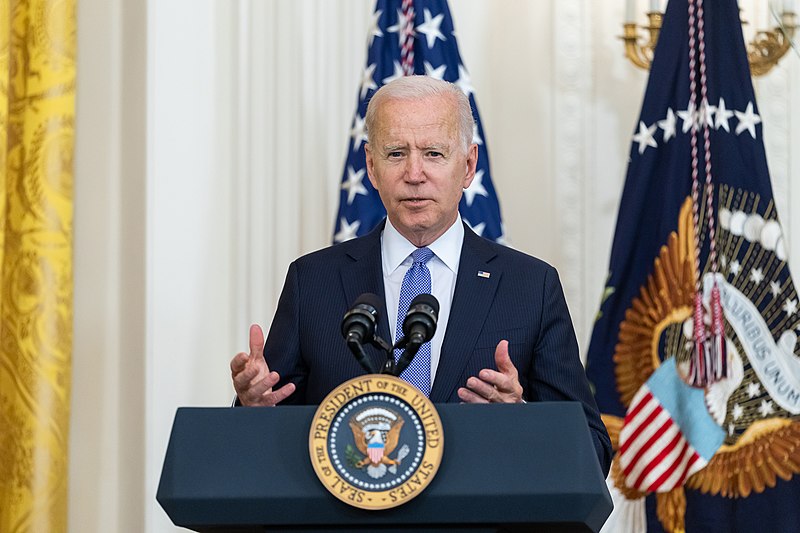
US President Joe Biden has largely stayed away from getting involved in the investigations related to the Capitol insurrection last January 6. However, as of late, Biden may be considering assisting in the probe as White House Press Secretary Jen Psaki said that the US leader would not invoke executive privilege on behalf of his predecessor Donald Trump.
Last week, Psaki, according to Kyle Cheney of Politico, said that Biden will not be invoking executive privilege for his immediate predecessor, who was impeached by the House a second time for inciting the insurrection. This also follows reports that Biden is considering releasing records of the Trump White House to the January 6 Select Committee who is conducting an investigation.
“The president has already concluded that it would not be appropriate to assert executive privilege,” said Psaki.
Trump has often asserted executive privilege to keep the committee from accessing records of his time in the White House. There was some speculation that Biden may invoke executive privilege to prevent a future president from releasing his own records. However, the latest remarks by Psaki are a sign that the Biden White House is willing to take the gamble.
Cheney said that Trump now has 60 days to object to Biden’s non-invocation of executive privilege. With this move, it remains to be determined whether the bipartisan panel will be able to access the records of the Trump White House.
Over the weekend, Biden reacted to reports that Social Democratic Party in Germany was leading in the country’s federal election. Upon returning to Washington from Camp David, Biden was not aware who was projected to win the federal elections. “I’ll be darned,” Biden said upon learning which party was leading against Angela Merkel’s conservative alliance.
“They’re solid,” Biden also said about the Social Democratic Party.
The early results Monday showed the SPD getting 25.9 percent of the vote with Merkel’s right-leaning Christian Democratic Union and Christian Social Union getting 24.1 percent of votes. Negotiations are set to start between coalitions, which may take weeks or months. The federal election also comes at a time when relations between the US and Germany have experienced strain and the next German government will have to work with the Biden administration should there be a willingness to resolve tensions.







