


 US Authorities Raid Ilhan Omar’s Home Amid Immigration Fraud Probe
  Kim Jong Un Showcases ICBM Ahead of Possible Trump Meeting
  European Auto Stocks Rise as EU-China Trade Deal Targets Hybrid Imports
  NATO Commander Warns Russia of Devastating Response to Attack
  UK Finance Minister Healey Calls for Fiscal Discipline Amid Global Risks
  North Korea Fires Ballistic Missiles Amid Rising Tensions With South Korea
  Russian Strikes Kill Six in Ukraine, Including Three in Kharkiv
  Elon Musk Donates $366 Million to 2026 US Midterms
  Houthis Warn Saudi Airports After Deadly Riyadh Attack
  Jordan Bardella Antisemitism Allegations Threaten Le Pen’s Campaign
  Yandex Data Center Hit by Drone Strike as Russia-Ukraine Cyber Infrastructure Attacks Escalate
  Brazil Election: Lula and Bolsonaro Rally Ahead of October 25 Runoff
  Most Americans Oppose Election Betting on Prediction Markets, Poll Finds
  Trump Plans White House Shake-Up of Key AI Safety Agency
  Djibouti Migrant Boat Capsizes, Killing 139 and Leaving 84 Missing
  Panama Declares Emergency After 7.7 Earthquake Triggers 200 Aftershocks


 Add as a preferred source on Google
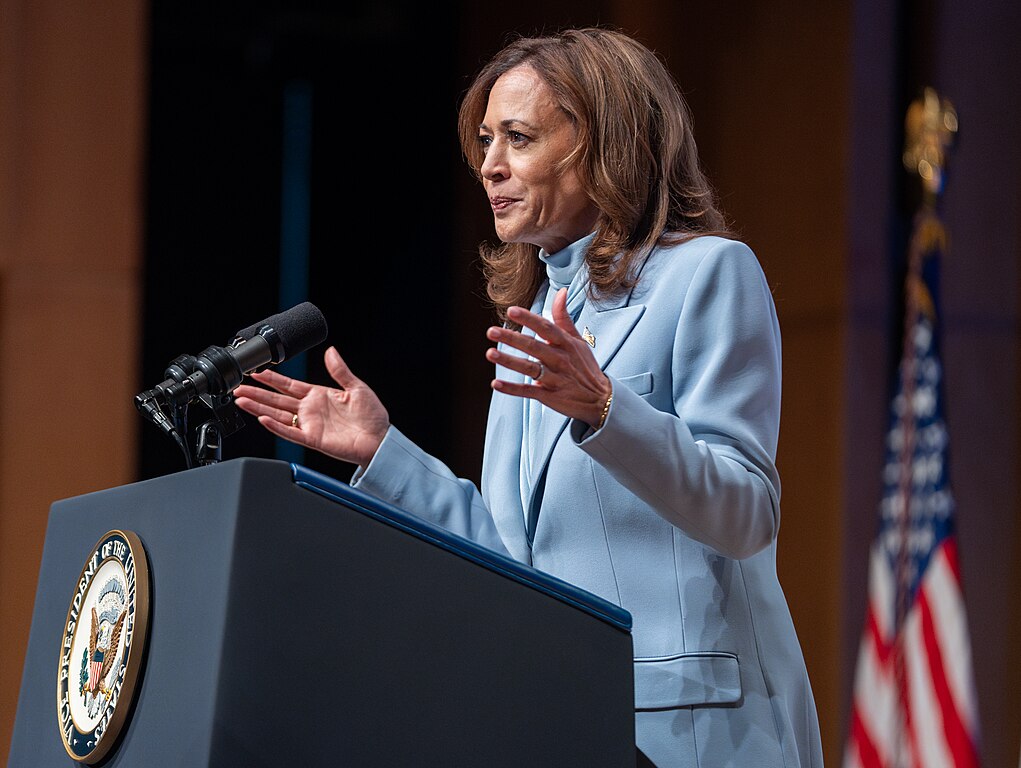
Vice President Kamala Harris is facing heavy criticism after refusing to take questions during a FEMA briefing on the government’s response to the recent hurricane disaster. The staged event, intended to provide updates on the relief efforts, left many reporters frustrated as they were ushered out of the room before they could ask critical questions about the handling of the situation. The move has sparked accusations that Harris is “going full Biden” by dodging media inquiries—a reference to President Joe Biden’s frequent reluctance to engage with the press.
During the briefing, Harris delivered prepared remarks outlining the administration’s efforts to address the hurricane’s aftermath, but when it came time for questions, things took a controversial turn. Reporters were forced out of the room without any opportunity to press Harris on the details of the relief operations or the issues plaguing the response.
Dodging Accountability?
Critics are slamming Harris for her refusal to engage with the media on such an important issue. With the hurricane response already under scrutiny for delays and mismanagement, her silence only added fuel to the fire. Many had hoped the FEMA briefing would provide clarity on the administration’s plans moving forward, but instead, it raised more questions.
“This is a complete dodge,” said one frustrated journalist who attended the briefing. “The American people deserve answers, especially when lives and livelihoods are at stake.”
Political commentators were quick to draw comparisons between Harris and Biden, suggesting that the vice president’s avoidance of the press mirrors her boss’s well-documented tendency to limit interactions with reporters. “Kamala is going full Biden—she’s dodging the tough questions just like he does,” one commentator remarked.
Botched Hurricane Response Under Fire
The federal government’s handling of the hurricane response has been widely criticized in recent days, with reports of delayed aid and disorganized relief efforts in several hard-hit areas. Many residents are still waiting for crucial assistance, and local leaders have expressed frustration with FEMA’s slow response.
Harris’s decision not to address these issues head-on has only deepened concerns about the administration’s ability to manage large-scale disasters effectively. “This was her chance to reassure the public and provide transparency, and she failed to do that,” said a political analyst.
The optics of the situation did little to help Harris’s image, either. The staged nature of the FEMA briefing, coupled with the abrupt removal of the press, gave the impression of a controlled, scripted event rather than a transparent discussion.
A Missed Opportunity for Harris?
For Harris, this latest controversy comes at a critical time. As she continues to build her political profile ahead of the 2024 election, moments like this could have significant long-term consequences. Her refusal to engage with the media on such a pressing issue may reinforce perceptions that she is unwilling—or unable—to handle the tough questions that come with leadership.
“Harris missed a big opportunity to show strength and accountability,” one political strategist noted. “Avoiding the press doesn’t build confidence—it erodes it.”
Looking Ahead
As the hurricane recovery efforts continue, the pressure on Harris and the Biden administration to deliver results is mounting. With public trust on the line, many are hoping for a more direct and transparent approach in the future. For now, however, Harris’s silence is speaking louder than any words she could have offered.







