


 China Resumes US Soybean Purchases After Trump-Xi Summit
  Italy’s Meloni Warns US-Russia Diesel Deal Could Weaken Ukraine Sanctions
  Flavio Bolsonaro Backs Brazil’s 40-Hour Workweek Reform Ahead of Runoff
  Trump Warns Houthis Over Attacks, Considers Erdogan Intervention
  SpaceX Starlink Restrictions Disrupt Ukraine Military Operations
  Most Americans Oppose Election Betting on Prediction Markets, Poll Finds
  US Condemns China Sanctions on Taiwan Allies Belize and Paraguay
  Greenland Lawmakers Back Trump Security Deal Despite Economic Concerns
  Elon Musk Donates $366 Million to 2026 US Midterms
  Trump Confirms US Intelligence Sharing With Ukraine Amid Russian Strikes
  MI5 Warns of Rising Iran, Russia Threats and AI Bioweapon Risks
  Trump Plans White House Shake-Up of Key AI Safety Agency
  North Korea Fires Ballistic Missiles Amid Rising Tensions With South Korea
  India Voter List Protests Reach Supreme Court as Opposition Demands Election Chief's Resignation
  Trump Defends Russian Diesel Deal Amid US Sanctions Backlash
  Gaza Olive Harvest Collapses as War Destroys Farmland
  Trump Denies China, Russia Are Helping Iran in War


 Add as a preferred source on Google
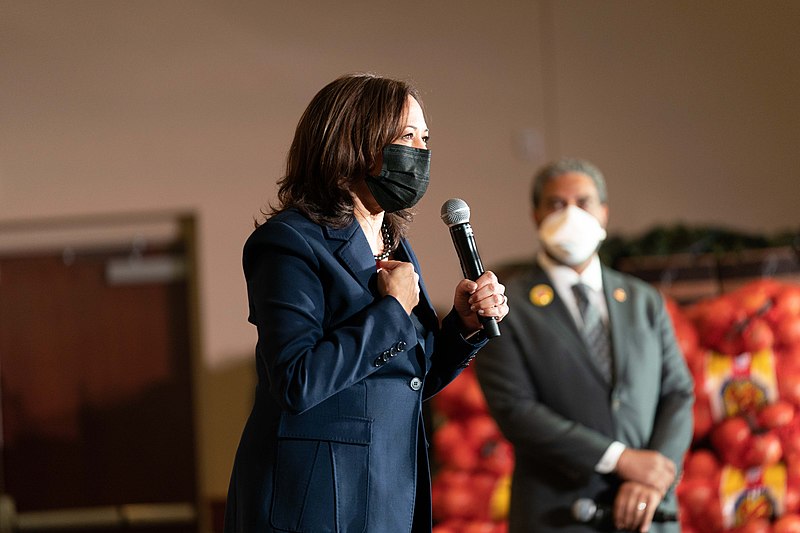
Leading the Biden administration’s efforts in protecting voting rights, Vice President Kamala Harris met with Texas Democratic lawmakers following their walkout from the special session last week. After the news that two of the lawmakers tested positive for COVID-19, Harris’s spokesperson said that the vice president was not exposed.
Harris and her staff were able to avoid exposure to COVID-19 following the news that two more of the Texas Democrats tested positive for coronavirus. Three of the state’s Democratic lawmakers were revealed to have tested positive while they were in DC. Over 50 of the Democratic state lawmakers fled Texas to go to Washington, in an effort to urge Congress to pass the voting rights bills and to obstruct the passage of a GOP-led proposal criticized as restrictive.
To note, the three that tested positive for COVID-19 had already been vaccinated.
“On Tuesday, July 13th, Vice President Harris met with the members of the Texas state legislature who are temporarily in Washington DC. Earlier today, it was brought to our attention that two of the members at that meeting tested positive for COVID-19,” said Harris’s Senior Adviser and Spokesperson Symone Sanders.
“Based on the timeline of these positive tests, it was determined the Vice President and her staff present at the meeting were not at risk of exposure because they were not in close contact with those who tested positive and therefore do not need to be tested or quarantined. The Vice President and her staff are fully vaccinated.”
Previously, Harris also met with outgoing German chancellor Angela Merkel when she visited the White House last week for the final time as the German leader. Harris hosted Merkel before she met with President Joe Biden at the vice president’s residence at the Naval Observatory. This would be Harris’s first time to host a foreign leader at the residence since taking office.
Harris reiterated the importance of allies working together to address global issues such as the COVID-19 pandemic, climate change, and the threats being posed by Russia and China on a larger scale. The vice president also discussed the need to defend democracies “at home.”







