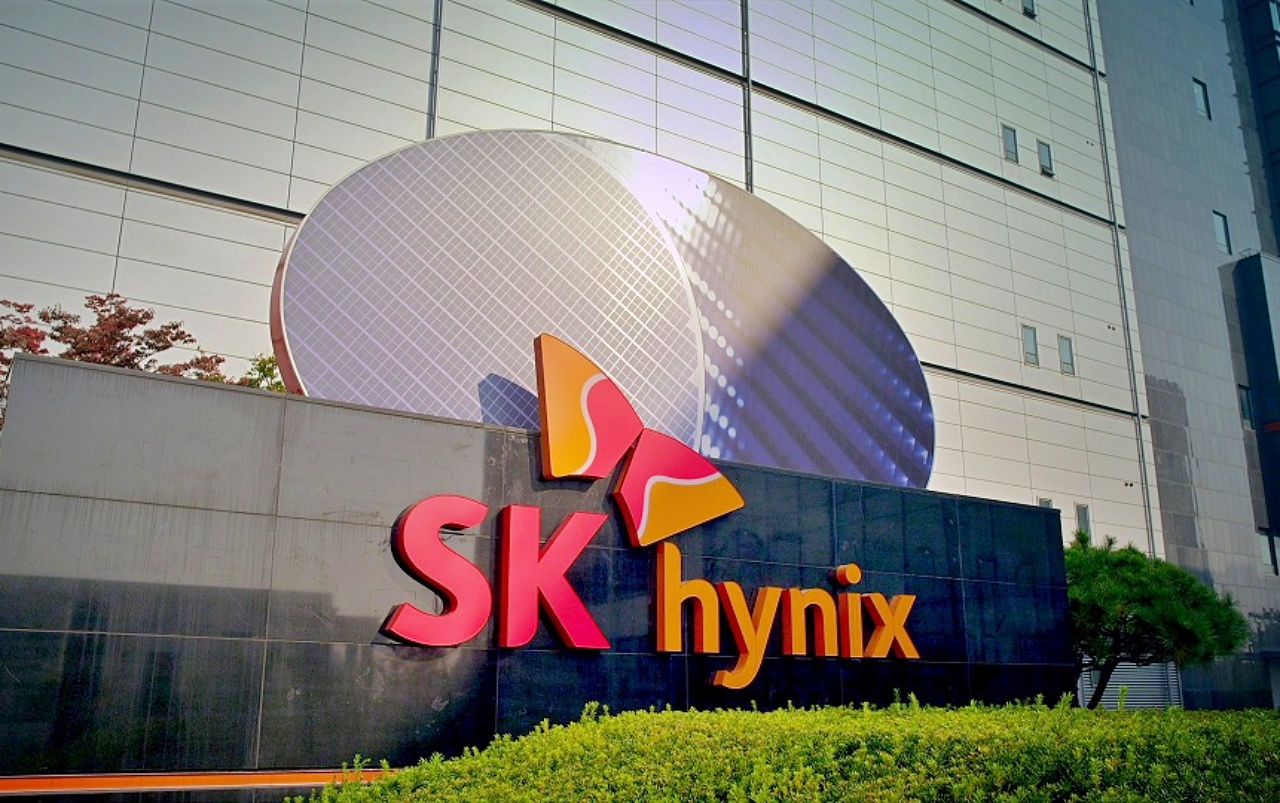
SK Hynix (KRX:000660) more than doubled its quarterly operating profit as demand for AI chips surged and clients stockpiled inventory ahead of potential U.S. tariffs. The world’s second-largest memory chipmaker posted an operating profit of 7.4 trillion won ($5.19 billion) for Q1 2025, up from 2.9 trillion won a year earlier and surpassing the 6.6 trillion won consensus forecast by LSEG SmartEstimate.
Revenue surged 42% year-over-year to 17.6 trillion won, driven by explosive growth in demand for high bandwidth memory (HBM) chips—essential for AI applications like those developed by Nvidia (NASDAQ:NVDA), SK Hynix’s top client. The firm said AI system development and inventory accumulation led to a faster-than-expected rebound in the memory market.
SK Hynix cautioned, however, that macroeconomic headwinds, particularly U.S. tariff policies, could fuel demand volatility in the second half of the year. Still, the company remains optimistic, expecting sustained investment in server chips by major tech firms as they race to dominate the AI landscape.
The rise of AI-enhanced smartphones is also expected to drive replacement demand, boosting sales of high-performance mobile DRAM chips. SK Hynix continues to outpace its rival Samsung Electronics (KRX:005930) in the HBM segment, maintaining its position as Nvidia’s key supplier amid a global chip race.
The results reflect the broader semiconductor market's pivot toward AI, where next-generation memory technologies play a critical role in training large language models and supporting high-performance computing infrastructure.
SK Hynix’s strong Q1 performance underscores the strategic importance of AI and data center trends in shaping the chip industry’s future amid geopolitical and economic uncertainties.