U.S. Treasury Secretary Scott Bessent signaled a potential shift in trade policy on Wednesday, calling the current tariff levels with China "unsustainable." His comments come as markets react positively to hints that President Donald Trump’s administration may ease tensions with Beijing. The U.S. has imposed 145% tariffs on Chinese goods, while China has responded with 125% on U.S. imports, escalating fears of recession and disrupting global supply chains.
Although no formal negotiations are underway, sources suggest the White House may be open to slashing tariffs to as low as 50% to jumpstart talks. However, officials clarified that the U.S. will not act unilaterally, emphasizing the need for reciprocal moves from China. Trump reaffirmed his commitment to a "fair deal," without offering details.
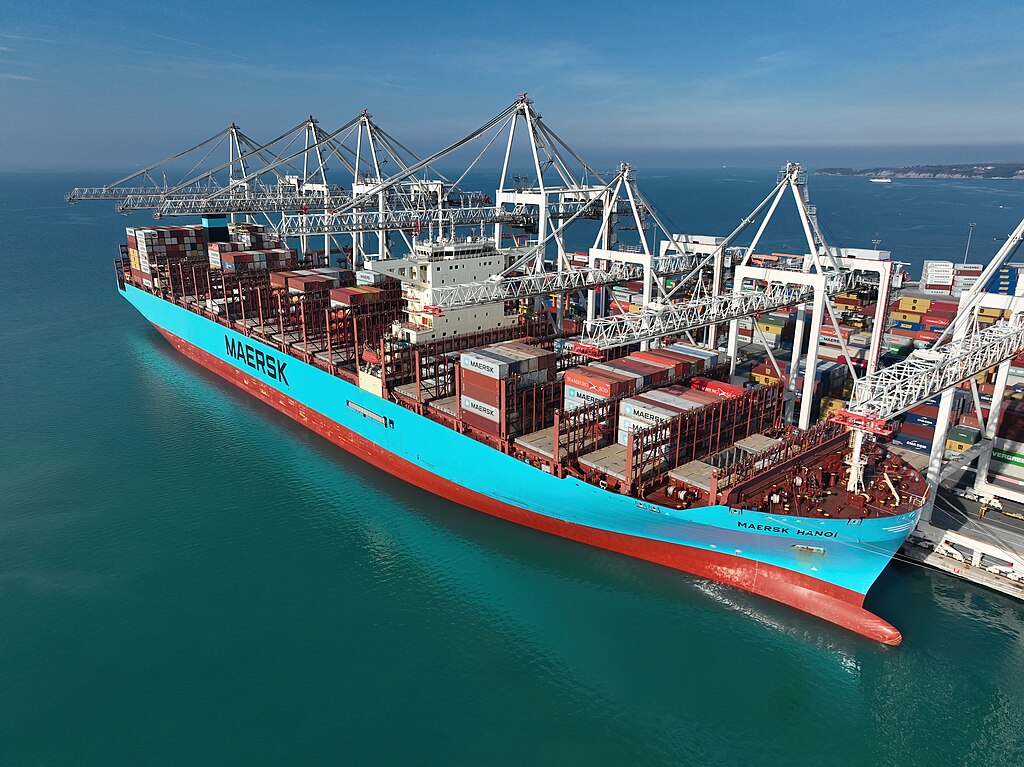
Markets welcomed the potential thaw, with the S&P 500 climbing 1.67% to 5,375.86. Still, uncertainty persists, especially with key sectors such as shipping feeling the pinch—German carrier Hapag-Lloyd reported a 30% drop in U.S.-bound shipments from China.
The administration has suspended certain tariffs until July 9 and is exploring additional levies on trucks, pharmaceuticals, and semiconductors. Meanwhile, exemptions may be granted for car parts. The EU, bracing for 20% tariffs, has proposed increased LNG purchases and selective tariff cuts in response.
Tensions have prompted legal challenges. Twelve U.S. states, including New York and California, are suing the federal government, arguing the tariffs violate trade laws.
The IMF warned the ongoing trade war could suppress global growth, while a Reuters/Ipsos poll showed only 37% of Americans now approve of Trump’s economic policies—down five points since January. Despite steady U.S. economic activity, the Federal Reserve noted growing concern across its regional districts due to tariff-related uncertainty.