


 Zelenskiy Says Ukraine Received No Warning Before Russian Missile Attack
  Trump Defends Russian Diesel Deal Amid US Sanctions Backlash
  Italy’s Meloni Warns US-Russia Diesel Deal Could Weaken Ukraine Sanctions
  Trump Announces Massive Oil and Mineral Exploration Plans in Greenland
  Elon Musk Donates $366 Million to 2026 US Midterms
  Trump Confirms US Intelligence Sharing With Ukraine Amid Russian Strikes
  Flavio Bolsonaro Backs Brazil’s 40-Hour Workweek Reform Ahead of Runoff
  Kim Jong Un Showcases ICBM Ahead of Possible Trump Meeting
  Trump Denies Russia and China Are Helping Iran in U.S. Conflict
  Trump Warns Houthis Over Attacks, Considers Erdogan Intervention
  US Condemns China Sanctions on Taiwan Allies Belize and Paraguay
  US Supreme Court Denies Release of Anti-ICE Activist Kyle Wagner
  MI5 Warns of Rising Iran, Russia Threats and AI Bioweapon Risks
  SpaceX Starlink Restrictions Disrupt Ukraine Military Operations
  Jordan Bardella Antisemitism Allegations Threaten Le Pen’s Campaign
  China Warns Taiwan Over South China Sea Coast Guard Incident
  Gaza Olive Harvest Collapses as War Destroys Farmland


 Add as a preferred source on Google
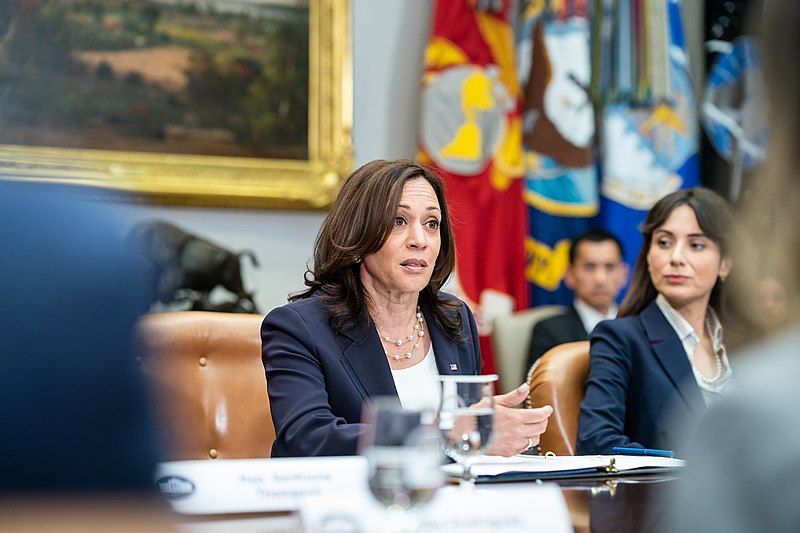
This coming week would be US Vice President Kamala Harris’s visits to Vietnam and Singapore as her second overseas engagement as vice president. Experts believe that her upcoming visits to the Southeast Asian region would help improve ties between the US and the countries within the continent.
Experts say that Harris’s upcoming visits as vice president following other diplomatic visits from the US will help President Joe Biden compete for influence in the region with China. A White House spokesperson revealed that Harris will be visiting the regional financial center in Singapore as well as Vietnam. Harris’s spokesperson Symone Sanders said that the vice president will be discussing climate change, security, the pandemic, and the efforts in the rules-based international order.
Harris is the next US figure to reach out to Southeast Asia following Defense Secretary Lloyd Austin’s visits to Singapore, Vietnam, the Philippines, and Secretary of State Antony Blinken’s virtual meeting with his counterparts in a summit with the Association of Southeast Asian Nations.
The “rules-based international order” is often used by US officials to refer to advocating a free and open South China Sea. China has claimed sovereignty over the majority of the waters, but an international tribunal ruled against the claims citing the lack of legal basis. China’s claim also overlaps with the claims of the surrounding countries over parts of the waters dubbed their Exclusive Economic Zones.
Biden’s policy, according to Asia-Pacific Pathways to Progress Foundation research fellow Aaron Rabena is “meant to coordinate policies in a way, like make sure they are aligned with the US agenda in the region, and the exploration of further areas of cooperation.”
Another expert has said that the Southeast Asian nations will eventually ask for a more concrete commitment from the US than what the Biden administration is presenting so far.
Meanwhile, Reuters reports that Mexico will be receiving 1.75 million doses of the Moderna COVID-19 vaccine from the US in the coming weekend, according to Mexican Foreign Minister Marcelo Ebrard. The announcement follows Mexico’s authorization of the vaccine for emergency use.
This follows last week’s announcement by the Mexican government that Harris had promised to send 3.5 million Moderna vaccine doses and an additional five million AstraZeneca doses.







