Iraqi armed group Kataib Hezbollah announced Wednesday a temporary five-day halt to its attacks targeting the U.S. embassy, citing specific conditions that must be met for the ceasefire to hold. The announcement marks a significant, albeit cautious, development in the ongoing regional tensions between Iranian-backed militias and American interests in Iraq.
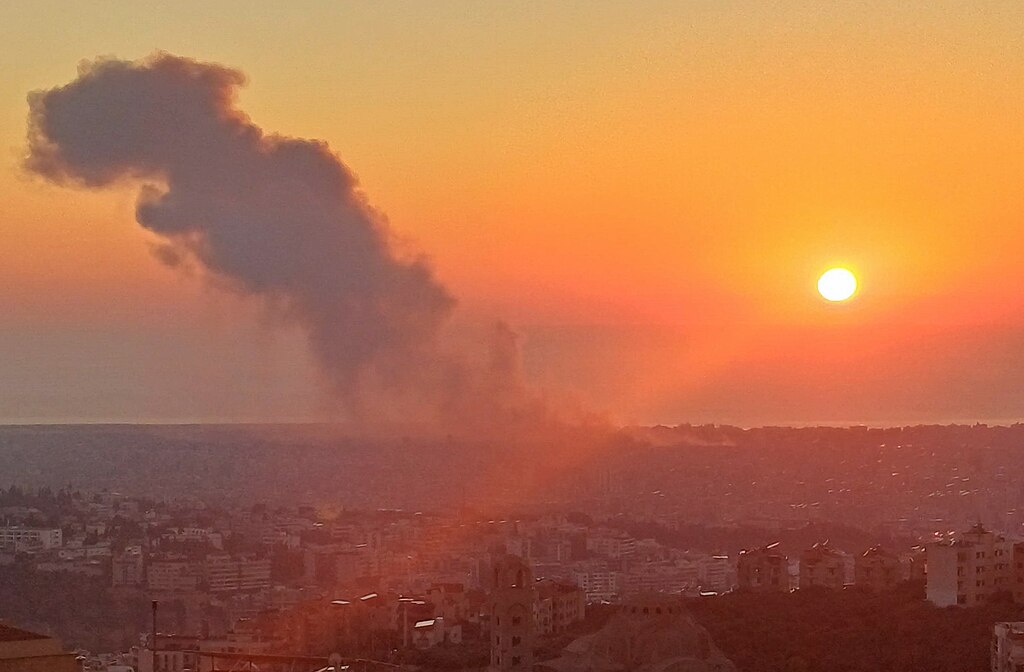
According to an official statement released by the group, the suspension hinges on Israel ceasing its military operations that have displaced and targeted civilians in the southern suburbs of Beirut, a densely populated area often referred to as Dahiyeh. Additionally, Kataib Hezbollah demanded a firm commitment from relevant parties to stop shelling residential neighborhoods in Baghdad and other Iraqi provinces, underscoring growing concerns about civilian safety amid escalating cross-border conflicts.
The conditional pause reflects the broader, deeply interconnected nature of Middle Eastern geopolitics, where actions in Lebanon directly influence the posture of Iran-aligned factions operating in Iraq. Kataib Hezbollah, designated as a terrorist organization by the United States, has long positioned itself as a resistance force against American and Israeli influence across the region.
This development comes amid heightened military activity throughout the Middle East, with tensions between Israel and Hezbollah in Lebanon spilling over into neighboring countries. Analysts suggest that this temporary suspension could serve as a diplomatic signal, offering a narrow window for de-escalation if the stated conditions are addressed by the relevant parties.
While the five-day window presents a brief opportunity for dialogue, regional security experts caution that a sustainable resolution requires comprehensive diplomatic engagement. The situation remains fluid, and failure to meet Kataib Hezbollah's demands could result in a swift resumption of hostilities targeting U.S. diplomatic installations in Iraq.