


 Wells Fargo Expands Stablecoin Plans With 20 Major Banks
  South Korea Blocks 27 Crypto Exchange Websites in Regulatory Crackdown
  Samsung, SK Hynix Shares Plunge as China Chip Competition Grows
  Trump Defends Russian Diesel Deal Amid US Sanctions Backlash
  Most Americans Oppose Election Betting on Prediction Markets, Poll Finds
  NEAR Protocol Leads AI Crypto Rally Amid Fed Rate Hike Fears
  Trezor Cuts Reseller Network After Ledger Security Breach
  Nvidia Invests in Four French AI Companies to Expand European Presence
  Oil Prices Fall as Trump Ceasefire Claim Shifts Market Focus to U.S. CPI
  Gold Prices Rise Above $4,200 as Russia-Ukraine Energy Truce Eases Oil Concerns
  Oil Prices Surge Above $106 After Deadly Saudi Airport Attack
  Syndax Stock Drops 15% After Axatilimab Trial Failure
  Ripple Mints 19.6 Million RLUSD Amid Banking Expansion
  Interactive Brokers Launches Ethereum Staking With Zerohash
  Arm Breaches Qualcomm License Deal, Jury Awards $2
  Wall Street Ends Mixed as Investors Await CPI and Bank Earnings
  Citi Upgrades Galaxy Digital Stock, Raises Price Target to $28


 Add as a preferred source on Google
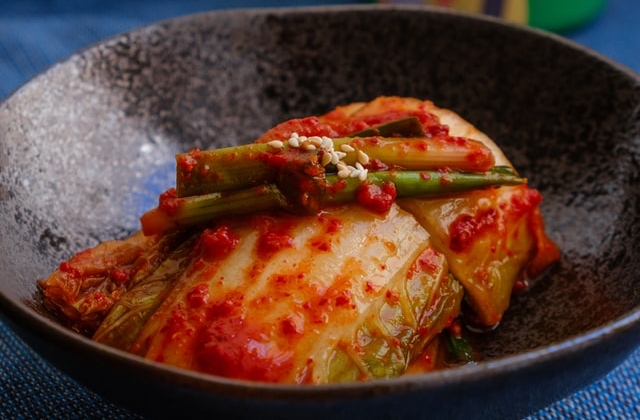
Kimchi is a known staple in South Korea, and it is one side dish that is always present in any meal. There is no other country that consumes kimchi as much as the Koreans that is why it is not surprising that it raised $1.4 billion or ₩1.62 trillion in sales in 2019.
Kimchi created big sales and jobs
Based on the record of the country’s Ministry of Agriculture, Food and Rural Affairs, with the big sales, it was also able to employ nearly 10,000 workers in that period. The data was collected as part of the ministry’s first study for the kimchi industry.
As per Pulse News, the total kimchi that the country supplied in 2019 was 1.9 tons. In this number, 58.5% were supplied to establishments, including restaurants, schools, and households. It was added that 41.5% were sold in local stores and overseas.
As for employment, with the nation’s 616 kimchi makers, the hired workers reportedly reached 9,510. With the data, kimchi is definitely one of the biggest markets in S. Korea, and it is a product that they can also export with good returns as well.
Campaign for safe-to-eat kimchi
Many people have developed fears about eating kimchi due to unsanitary Chinese imports of the product. It all started when a video of a naked man submerged in a pool of water with cabbages surfaced. It was identified as a kimchi factory in China, and the processing of kimchi was obviously unsanitary and insanely unhealthy.
The video caused an uproar when it was first circulated, and it has triggered the eat safe kimchi campaign in South Korea. The Korea Times reported that consumers in the country started to boycott the kimchis made in China and urged other people to be more careful with the food they buy and eat.
People have become wary, and Kim Ji Sook, an eatery owner in Seoul, said that diners started asking where he sourced the kimchi he serves in the restaurant. She said that she does not lie, so when she told them that they were from China, customers do not eat the kimchi.
So now, Koreans prefer their homemade or Korea-made fermented cabbage. Health officials also started to make restaurant owners register their stores and have their kimchis certified to make sure that they came from a good, clean source.







