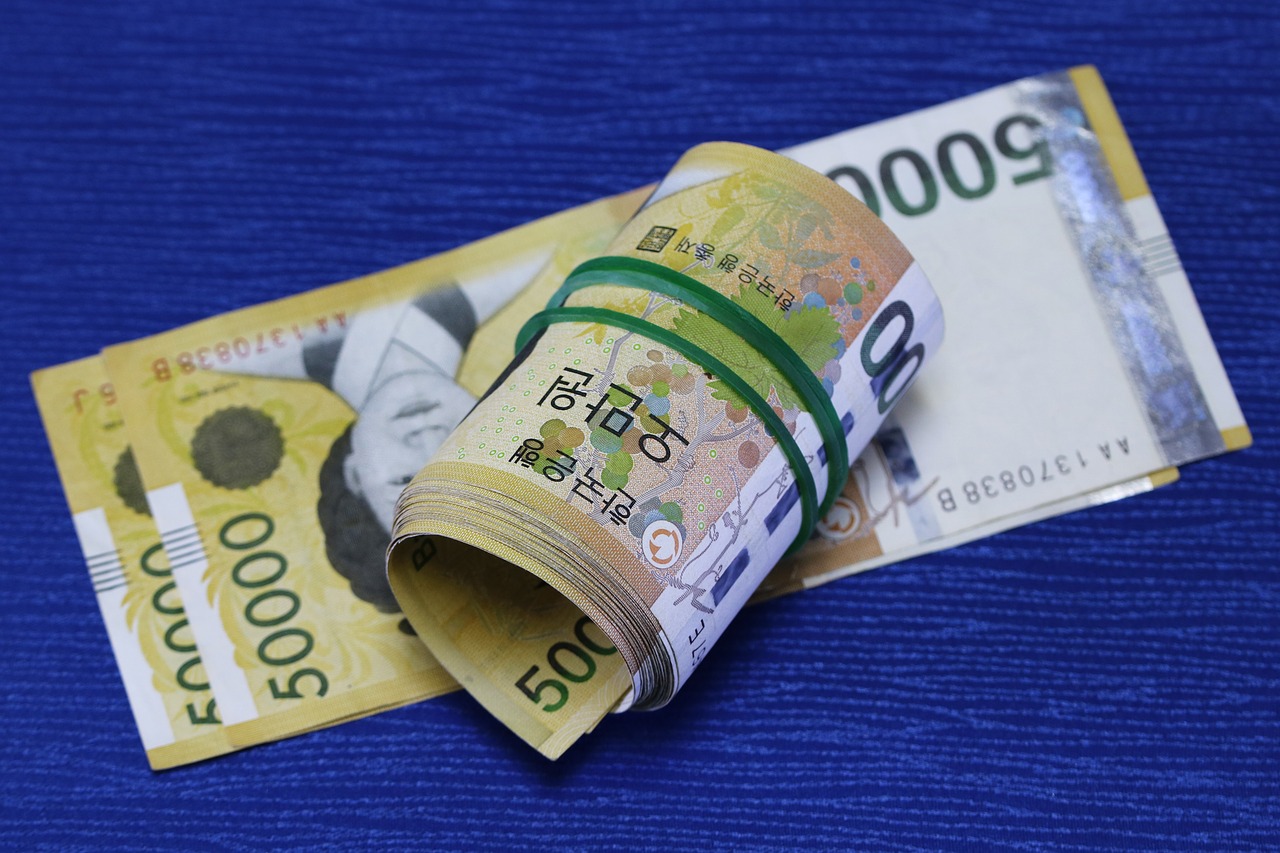
The South Korean government intends to support companies in key industries via a scheme based on corporate bond purchase that may reach 50 trillion won.
Those profits can be shared by the companies with the society after the businesses environment normalizes. Conditions are expected to be imposed by the government such as continuous employment, and limited dividends.
The financial support is expected to range from 20 trillion won to 50 trillion won.
Recapitalization will be made through Korea Development Bank and the Export-Import Bank of Korea, with the government providing cash for the banks through supplementary budgets.
The scheme does not require neither special purpose vehicle establishment nor government guarantee and freer from fairness controversies related to government guarantee selection criteria.
Furthermore, time can be saved by tapping Korea Development Bank as it is already underwriting corporate bonds.
The industries that needed help include airline, automobile, auto parts, and oil refinery.
The airline industry suffered an 80 percent dip in monthly sales following the outbreak.
Korean Air has repayment and redemption scheduled for this year that amounts to 4.03 trillion won.
The carrier's cash holdings of 816.2 billion won as of 2019 is being depleted as it has to pay 240 billion won in corporate bonds maturing in April and fixed operational expenditures of up to 500 billion won to cover aircraft leasing fees and salaries.
The carrier paid off debts of 570 billion as of March, which is only a fraction of the 4.3 trillion to be paid by the end of the year.
Korean Air was able to issue 622 billion won in asset-backed securities in March that helped it pay off 570 billion in debts as of March.
Meanwhile, the Korea Automobile Manufacturers Association needs a liquidity of 32.8 trillion won or to supplied to the automobile and auto parts industries.