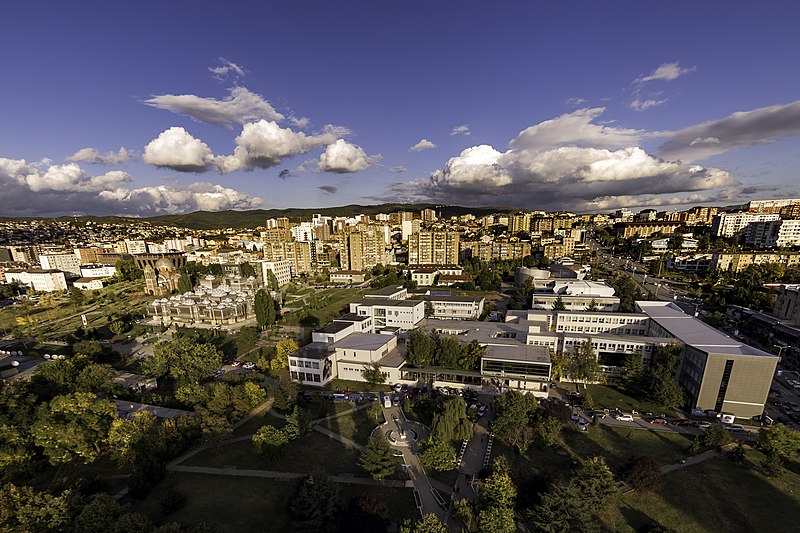
Kosovo announced Thursday that it would move forward with the policy of ethnic Serbs in the region to switch license plates. This has resulted in NATO peacekeeper troops patrolling northern Kosovo to maintain calm.
Pristina announced Thursday that around 50,000 ethnic Serbs that reside in northern Kosovo would have to switch their car license plates to those issued locally in two months. This is part of Kosovo’s efforts to compel Serbs that reside in the region to accept Pristina’s authority since winning independence in 2008 from Serbia.
To note, Serbia does not recognize Kosovo’s independence, even as many other countries have recognized Kosovo. Serbs that live in northern Kosovo also only recognize Belgrade’s authority more than Pristina. Around 100 countries in the world and all but five countries in the European Union recognize Kosovo.
Kosovan Prime Minister Albin Kurti said the decision to move forward with the rule is “nothing more or less than an expression of the exercise of sovereignty.”
“Certain financial benefits will be offered during registration, including tax relief,” said Kurti in Serbian in a video shared on his profile on Facebook.
The push last year to implement the license plate rule was met with protests by Serbs in northern Kosovo, who are backed by Serbia. Last month, ethnic Serbs put up roadblocks in response to Pristina’s announcement that the license plate rule would take effect on September 1.
The European Union has weighed in on the rule taking effect, urging Kosovo to give more time to Serbs in the implementation of the rule.
“It is important that sufficient time is given for the implementation of this plan, and that it is prepared and executed in close consultation with the affected citizens, and in line with good European practices,” said the spokesperson for the European Commission.
“The Freedom of Movement conclusions from 2016 included much longer timelines for re-registration, which should provide guidance for the process at hand now,” said the spokesperson.
The spokesperson went on to say that the bloc has urged both sides to use the “EU-facilitated Dialogue” in order to address and resolve all issues, including issues related to the license plates.