


 Trump Sanctions International Criminal Court, Sparking EU Backlash
  Trump Announces Russia-Ukraine Energy Ceasefire Amid U.S. Pressure on Kyiv
  Flavio Bolsonaro Leads Lula 49%-45% in Brazil Runoff Poll
  Flydubai Co-Pilot Planned Suicide Attack on Israel Airport, UAE Says
  Trump Buys Up to $25M in Meta Stock, Invests in SpaceX Debt
  Russian Strikes Kill Six in Ukraine, Including Three in Kharkiv
  Panama Declares Emergency After 7.7 Earthquake Triggers 200 Aftershocks
  Yandex Data Center Hit by Drone Strike as Russia-Ukraine Cyber Infrastructure Attacks Escalate
  Trump Cancels Alabama Football Trip as Hurricane Isaias Approaches
  Venezuela’s Machado Calls for Elections by July 2027
  Trump Announces Russia-Ukraine Energy Ceasefire as Zelenskiy Awaits Details
  Pakistan Declares Emergency in Khyber Pakhtunkhwa, Suspends Imran Khan’s PTI Government
  European Auto Stocks Rise as EU-China Trade Deal Targets Hybrid Imports
  North Korea Fires Ballistic Missiles as Tensions With South Korea Escalate
  Zelenskiy Slams US Over Deadly Russian Strikes on Ukraine
  UK Finance Minister Healey Calls for Fiscal Discipline Amid Global Risks
  Ripple Chairman Chris Larsen Donates $22.5 Million Ahead of US Midterms


 Add as a preferred source on Google
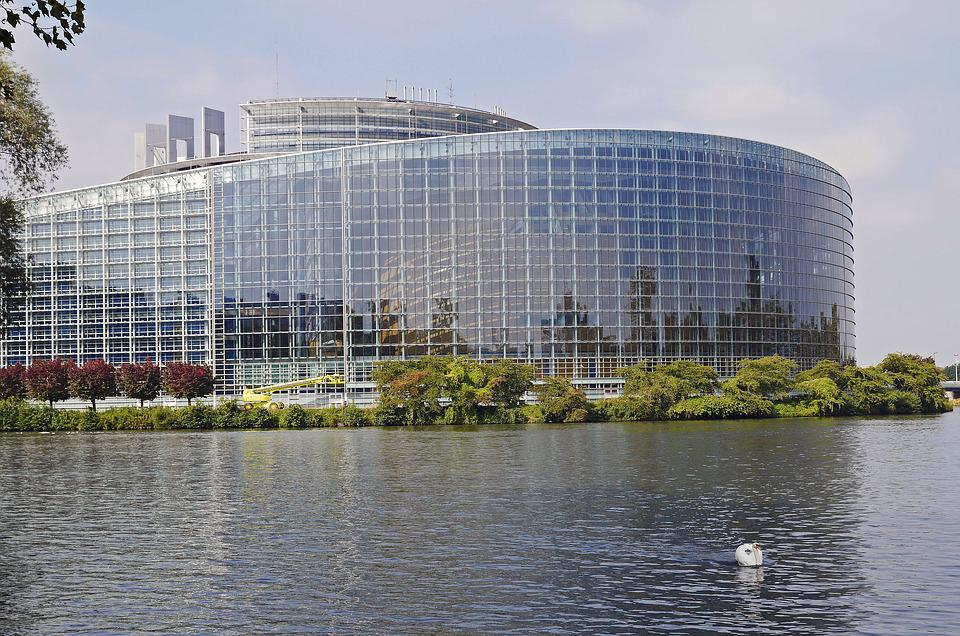
The European Parliament is set to cooperate with Greek authorities, who launched an investigation into the alleged spying of a Greek member of the EU parliament. This follows the EU Parliament’s condemnation of the incident.
The EU Parliament will be cooperating with Greek authorities in the investigation of the alleged spying of Greek EU Parliament member Nikos Androulakis, who is a member of Greece’s Socialist PASOK Party.
This comes as the Parliament already has a committee investigating the use of the Pegasus spyware in the bloc as scandals involving the spyware affected other EU countries, including France and Poland.
“Illegal surveillance of members’ communications is intolerable and inexcusable,” said Juri Lass, the spokesman for the European Parliament President Roberta Metsola. “Such infringements of the principles and values which form the basis of our democratic system cannot be tolerated, irrespective of the member state where they occur.”
Laas also said that Metsola has called for the committee to investigate Greece’s case as well, looking into banning the illegal practices in the EU. The European Parliament has already received an initial request for information from Greek authorities and is set to share its findings in the coming days.
Also this week, the United Kingdom filed a dispute resolution proceeding against the European Union in order to gain access to the bloc’s scientific research programs, according to the British government Tuesday.
This follows the trade agreement signed in 2020, where the UK negotiated access to science and innovation programs, including Horizon Europe, a $97 billion program that would offer grants and projects to researchers.
However, 18 months later, the European Union has yet to finalize access to Horizon Europe, Copernicus – the Earth observation program on climate change, Euratom – the nuclear research program, and Space Surveillance and Tracking, among others.
This is despite both sides saying that cooperation in research would be mutually beneficial, but relations between the EU and the UK came under strain following the Brexit trade deal disputes for Northern Ireland.
“The EU is in clear breach of our agreement, repeatedly seeking to politicize vital scientific cooperation by refusing to finalize access to these important programs,” said British foreign secretary Liz Truss in a statement.
The European Commission said it acknowledged the UK’s announcement.







