


 US, EU Push for Action Against Asia’s Excess Factory Capacity
  UK Finance Minister Healey Calls for Fiscal Discipline Amid Global Risks
  Pakistan Declares Emergency in Khyber Pakhtunkhwa, Suspends Imran Khan’s PTI Government
  Zelenskiy Slams US-Russia Diesel Deal as Funding War
  Trump Sanctions International Criminal Court, Sparking EU Backlash
  Yandex Data Center Hit by Drone Strike as Russia-Ukraine Cyber Infrastructure Attacks Escalate
  US Charges Maduro and Wife With Torture Conspiracy
  North Korea Fires Ballistic Missiles as Tensions With South Korea Escalate
  JD Vance Questions Pentagon Plan to Livestream Fort Hood Shooter’s Execution
  Trump Secures Russian Diesel Deal as US Fuel Prices Surge
  Zelenskiy Slams US Over Deadly Russian Strikes on Ukraine
  Trump Announces Russia-Ukraine Energy Ceasefire Amid U.S. Pressure on Kyiv
  Flydubai Co-Pilot Planned Suicide Attack on Israel Airport, UAE Says
  Russian Strikes Kill Six in Ukraine, Including Three in Kharkiv
  Trump Calls for Zelenskyy Replacement Amid Russian Diesel Deal
  Djibouti Migrant Boat Capsizes, Killing 139 and Leaving 84 Missing


 Add as a preferred source on Google
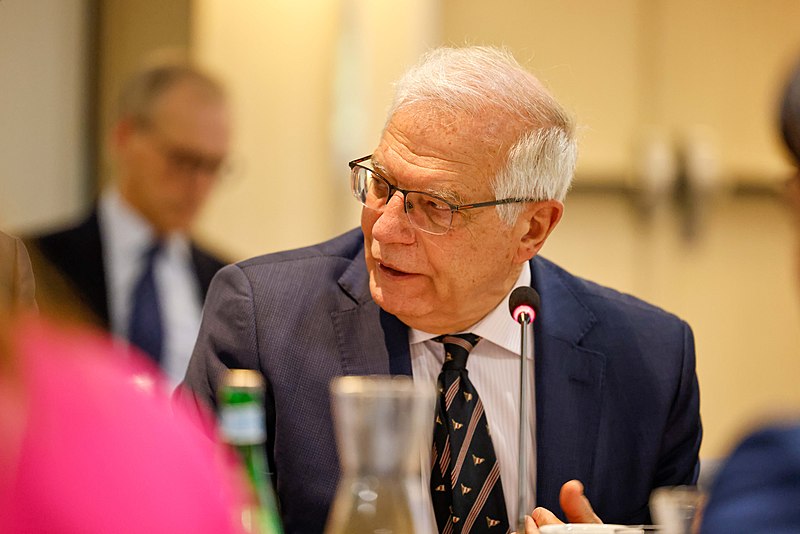
Over the weekend, the European Union’s foreign policy chief Josep Borrell welcomed the decision by the government of Kosovo to delay measures for Serbs to register for new license plates. The measures would be implemented by September 1 instead.
Borrell welcomed Kosovo’s decision to delay its measures surrounding the license plates issued by Pristina to September 1. The Kosovo government postponed the implementation of the decision that would require Serbs residing in the northern area of the country to apply for car license plates issued by Pristina Institutions.
This comes as there are tensions between police and local communities that led to roadblocks. 14 years since Kosovo declared independence from Serbia, Serbs in its northern area still use license plates and papers issued by authorities in Serbia in their refusal to recognize the Kosovan government.
Borrell said in a post on Twitter that the roadblocks are expected to be removed as soon as possible, and that the outstanding issues must be addressed through EU-facilitated dialogue as well as a focus on comprehensive normalization of ties between Kosovo and Serbia.
NATO peacekeepers Monday oversaw the removal of the roadblocks following the tensions in the area, over 20 years since the alliance drove out Serbian forces from Kosovo in a series of airstrikes. Police in Kosovo said the removal of the blockades in the northern area of the country will allow the reopening of the border crossings in Serbia.
“Roads are now free for traffic to pass, both border crossings are open now for people and goods to cross,” the Kosovo police said in a statement.
The tensions in the north appeared to revive tensions between Serbia and Kosovo. Serbia and even Russia do not recognize Kosovo as an independent state and have blocked the nation’s efforts to apply for membership in the United Nations.
Over 100 nations, however, do recognize Kosovo as an independent state, which is also making a bid to enter the NATO alliance.
Friday last week, Borrell condemned the atrocities committed by Russian forces and their proxies in Ukraine in a statement.
“The European Union actively supports all measures to ensure accountability for human rights violations and violations of international humanitarian law committed during the Russian aggression in Ukraine,” said Borrell.







