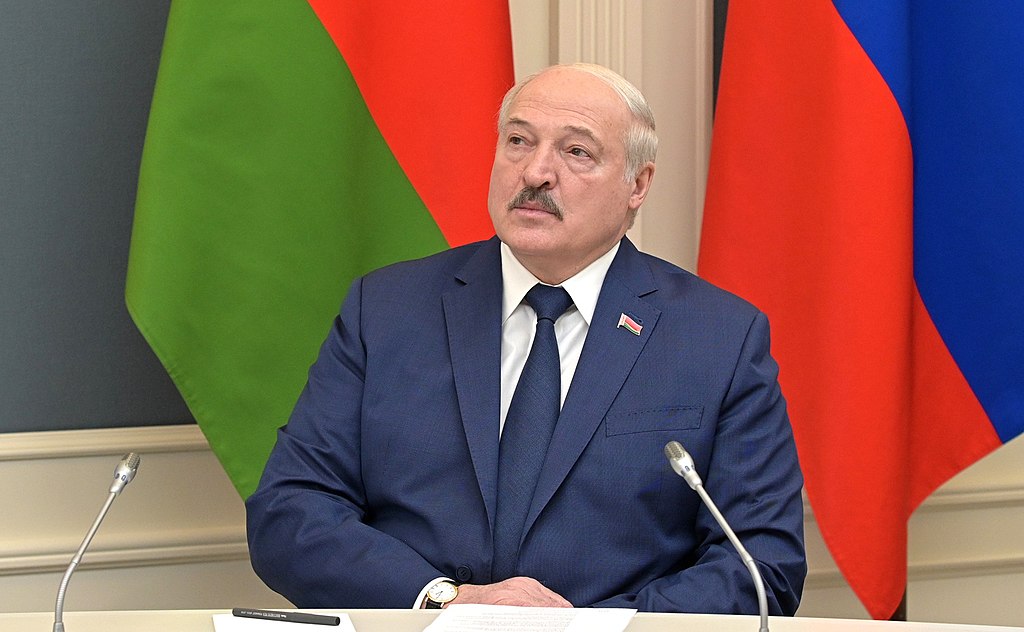
Belarusian President Alexander Lukashenko has said that Venezuelan President Nicolas Maduro would be welcome to seek refuge in Belarus if he ever chose to leave office, although he stressed that no such discussions have taken place between the two leaders. Lukashenko made the remarks during an interview with U.S. media organization Newsmax, excerpts of which were later shared on the Pul Pervogo Telegram channel linked to Belarus’ presidential administration.
Lukashenko, a close ally of Russian President Vladimir Putin, described Belarus and Venezuela as having longstanding diplomatic relations. He emphasized that Minsk has never viewed Maduro as an enemy or adversary and that the Belarusian capital would be open to him should he wish to visit. At the same time, Lukashenko dismissed the idea that Maduro would flee his country, portraying the Venezuelan leader as resilient and unlikely to abandon power under pressure.
The comments come at a time of heightened tensions between the United States and Venezuela. Washington has increased its military presence in the southern Caribbean, carried out strikes against alleged drug-trafficking vessels, and seen U.S. President Donald Trump suggest that land-based military operations in Venezuela could begin soon. The Venezuelan government has repeatedly accused the United States of pursuing regime change in order to gain control over the country’s vast oil reserves.
In the interview, Lukashenko argued that a military conflict with Venezuela would be a mistake, warning it could become “a second Vietnam” and lead only to greater unity among Venezuelans in support of Maduro. He said he believes all U.S. concerns regarding Venezuela could be resolved through peaceful dialogue and expressed interest in discussing the issue directly with Trump.
Lukashenko also questioned U.S. claims that Venezuela is a major source of illegal drugs entering the United States. While highlighting Belarus’ role in combating drug trafficking from Asia into Western Europe, he criticized Western sanctions imposed over human rights issues and Belarus’ support for Russia’s war in Ukraine. Lukashenko concluded by urging compromise instead of pressure, insisting that isolating Venezuela would only worsen the situation rather than resolve it.