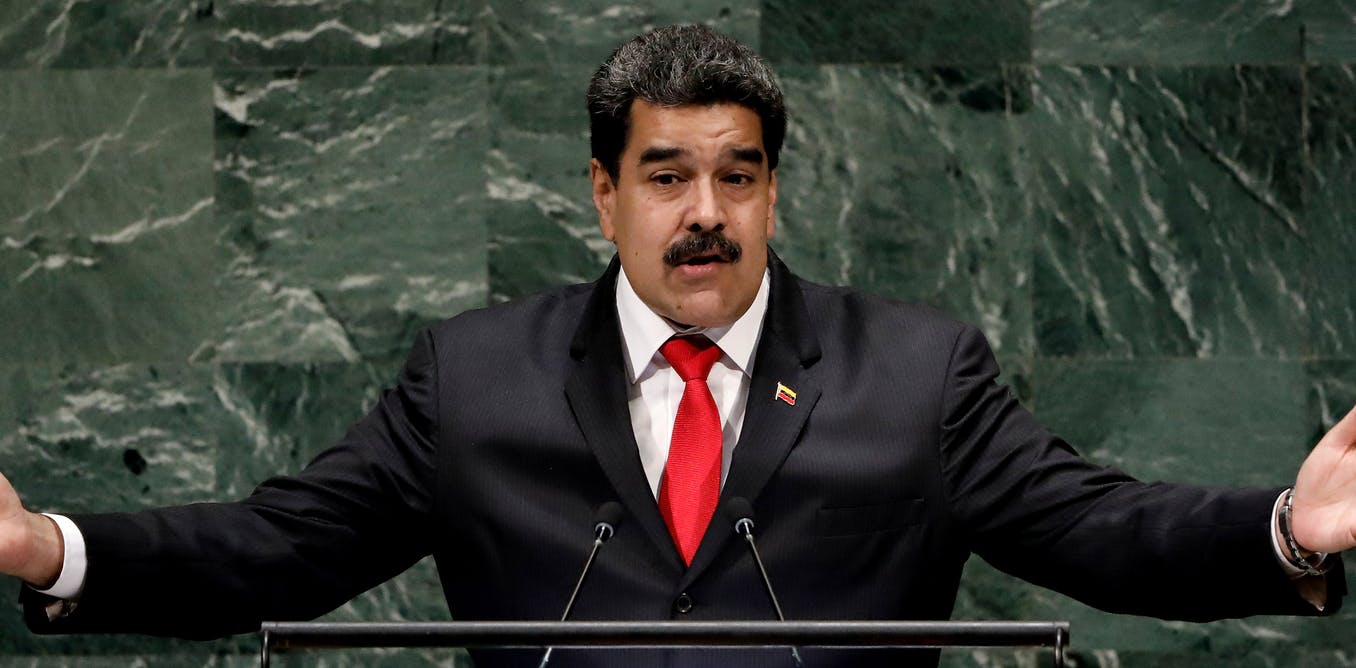
Venezuelan President Nicolas Maduro stated on Saturday that planned repatriation flights for Venezuelan migrants from the U.S. had been disrupted due to an "unexplained, tremendous commotion." His remarks follow the Trump administration's recent decision to revoke a key license allowing Chevron (NYSE: CVX) to operate in Venezuela, citing insufficient progress on electoral reforms and migrant returns.
While Maduro did not directly link the company to the flight cancellations, he emphasized that communication between Venezuela and the U.S. had suffered, impacting travel. The Venezuelan leader reaffirmed his stance against U.S. sanctions, calling them illegitimate measures meant to cripple the country’s economy.
Despite ongoing economic struggles, Maduro and his allies claim Venezuela has shown resilience against foreign-imposed restrictions. However, they have also attributed economic hardships and shortages to these sanctions.
Chevron had been one of the few remaining U.S. companies permitted to operate in Venezuela, playing a crucial role in the country’s oil industry. Maduro suggested he would prefer the company to stay, though U.S. authorities opted to tighten sanctions instead.
This latest move further strains U.S.-Venezuela relations, with disruptions affecting both the economy and humanitarian efforts, including migrant returns. The revocation of Chevron’s license signals a tougher stance by Washington as it pressures Maduro’s government on political reforms.
As tensions rise, Venezuela faces increasing economic uncertainty, with Maduro’s government balancing between defiance and seeking stability amid tightening U.S. measures.