


 Apple Supplier Luxshare Sees Limited Impact From US Patent Probe
  Republican Lawmakers Urge National Guard Role for World Cup Drone Security
  Oil Prices Slip as Trump Rules Out Iran Strike Before Midterms
  Canton Network Expands in South Korea With Major Partnerships
  An unexpected anomaly was found in the Pacific Ocean – and it could be a global time marker
  What’s so special about Ukraine’s minerals? A geologist explains
  Oil Prices Fall as Trump Ceasefire Claim Shifts Market Focus to U.S. CPI
  As the Black Summer megafires neared, people rallied to save wildlife and domestic animals. But it came at a real cost
  FIFA Defends Balogun Ban Suspension After Trump Praise Sparks World Cup Controversy
  U.S. Plans $115 Million Counter-Drone Investment to Secure FIFA World Cup and Major National Events
  Thousands of satellites are due to burn up in the atmosphere every year – damaging the ozone layer and changing the climate
  Wildfires ignite infection risks, by weakening the body’s immune defences and spreading bugs in smoke
  European Auto Stocks Rise as EU-China Trade Deal Targets Hybrid Imports
  FAA Warns US Airlines Over Saudi Arabia Flight Risks
  US, EU Push for Action Against Asia’s Excess Factory Capacity
  Samsung, SK Hynix Shares Fall as China's CXMT Advances DRAM Technology


 Add as a preferred source on Google
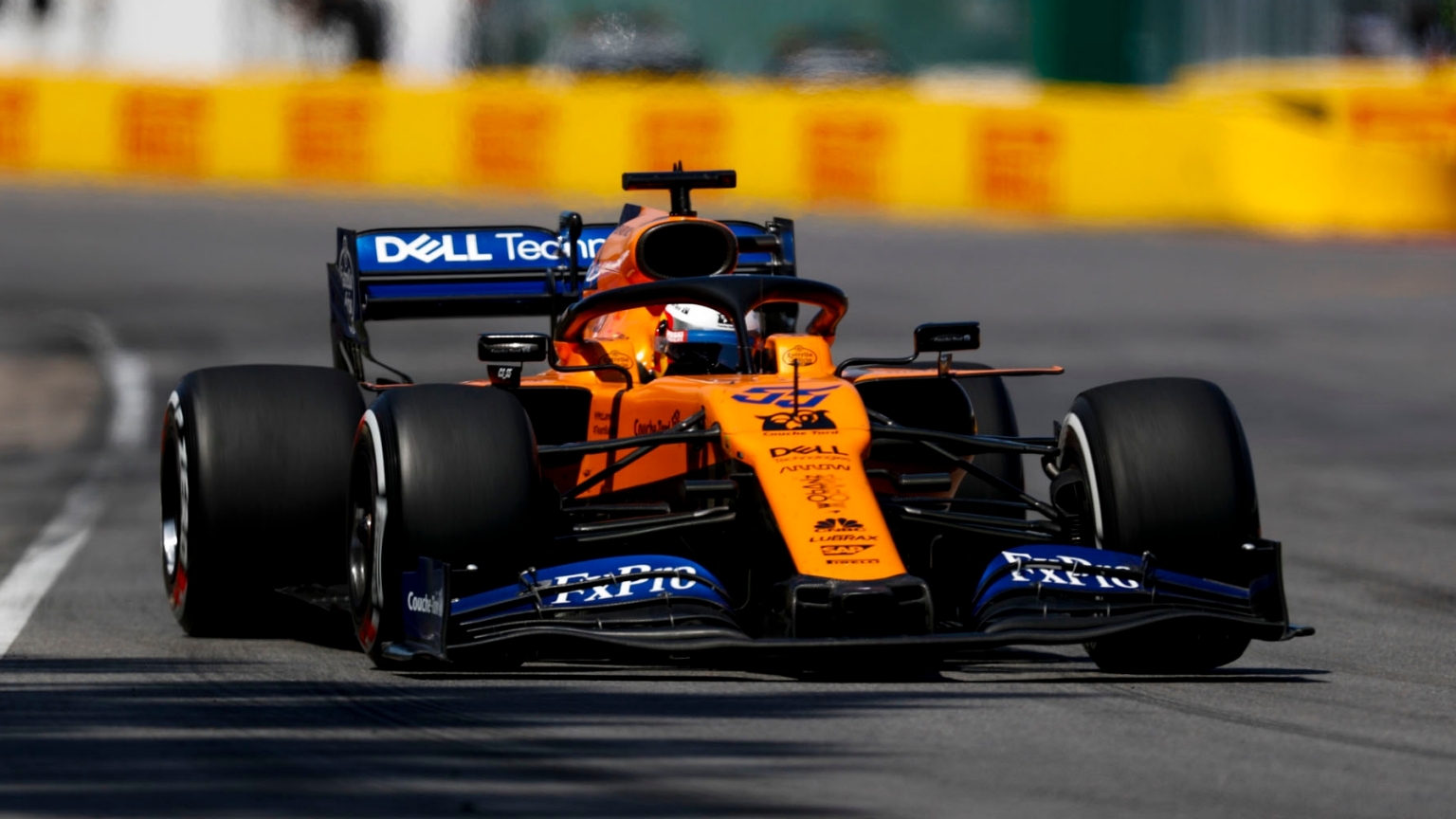
McLaren Racing has detailed plans in its report to develop a fully circular sustainable Formula One car as part of efforts to halve its greenhouse gas (GHG) footprint by 2030 and achieve carbon next zero by 2040.
The latest report, though more comprehensive in scope than the one released last year, moves the goal of achieving a net-zero carbon footprint back by ten years.
One of the new objectives for McLaren is to quicken the transition to a circular economy by establishing and putting circulatory practices in place as well as researching the creation of a fully circular Formula One car. In addition to incorporating sustainability principles early in the design process, taking into account environmental impacts like product lifecycle and energy use, the team will look to improve its waste operations.
McLaren stated that its goals for 2021 included getting rid of trackside single-use plastics and cutting back on operational waste.







