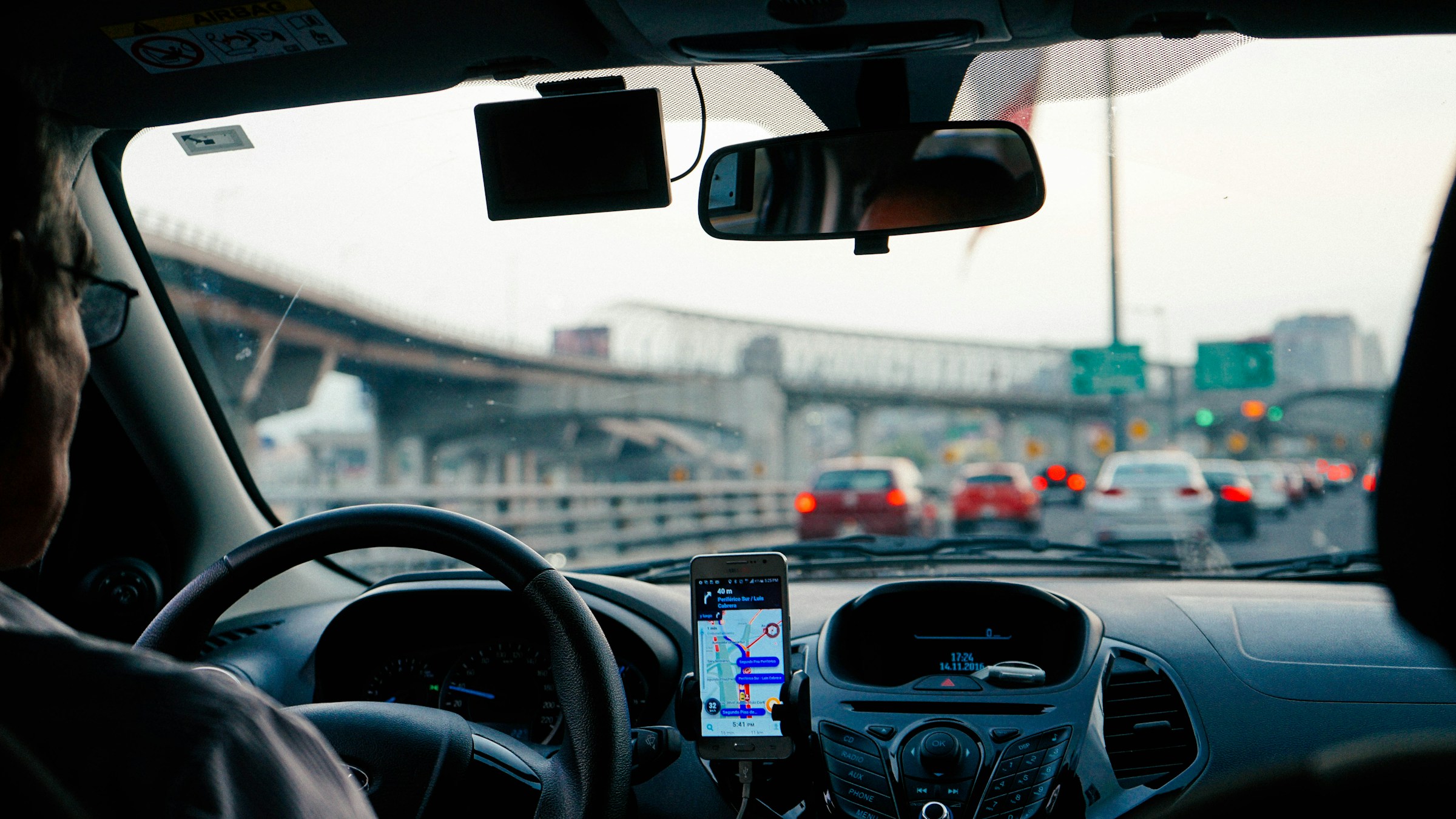
Uber and Lyft, two leading ride-hailing companies, decided to delay plans to exit Minneapolis. This announcement came shortly after city officials opted to push back the commencement of a driver pay raise by two months. The Minneapolis City Council unanimously decided to enact the ordinance on July 1 rather than May 1.
According to AP, the delay is intended to provide additional time for new ride-hailing competitors to enter the market and allow the Minnesota legislature to establish statewide regulations concerning ride-hailing driver pay.
Objectives Behind the Delay
Council member Robin Wonsley, the ordinance's principal author, expressed that the delay is expected to lead to more favorable outcomes for drivers and riders. Wonsley emphasized the need for establishing a more equitable ride-hailing industry across the state, criticizing the current business model as "extremely exploitative."
According to the new ordinance, ride-hailing companies must pay drivers a minimum of $1.40 per mile and $0.51 per minute—or a minimum of $5 per ride, whichever is greater, excluding tips, for transport within Minneapolis. This payment structure seeks to ensure drivers earn the equivalent of the city's minimum wage of $15.57 per hour, accounting for gas and other expenses.
Reaction from Uber and Lyft
However, Uber and Lyft have expressed their inability to support the city's higher rate, favoring a lower rate, as suggested by a Minnesota Department of Labor and Industry study. This study proposes a rate of $0.89 per mile and $0.49 per minute as sufficient to meet the $15.57 hourly wage goal.
Uber has threatened to withdraw its services from the entire Minneapolis-St. Paul metropolitan area, while Lyft indicated it would only halt operations in Minneapolis. The companies argue that the city's proposed rate could make rides prohibitively expensive for many riders, potentially reducing drivers' earnings due to decreased demand.
Legislative and Public Perspectives
Reuters noted that the potential exit of Uber and Lyft has sparked a wide range of reactions. Some state legislators have suggested that the city ordinance could be overridden by state law, echoing the companies' experience in Austin, Texas, where they resumed operations after state intervention. Democratic House Majority Leader Jamie Long voiced optimism for a resolution that balances operational viability for the companies and protection for drivers.
Drivers in the Minneapolis area have mixed opinions about the ordinance. Muhiyidin Yusuf, an Uber and Lyft driver, advocates for the rate increase, highlighting the struggle to make ends meet despite long hours on the road. Conversely, Maureen Marrin, who drives part-time, fears these companies' departure and the uncertainty it brings for drivers like her.