


 Google Pays Publishers for AI Search Content in New Pilot
  The ghost of Robodebt – Federal Court rules billions of dollars in welfare debts must be recalculated
  Asian Stocks Rise as Bond Yields Ease Ahead of U.S. Inflation Data
  Britain has almost 1 million young people not in work or education – here’s what evidence shows can change that
  Disaster or digital spectacle? The dangers of using floods to create social media content
  BOJ Signals Faster Rate Hikes as Inflation Risks Grow
  Aztec Revives zk.money for Private Ethereum Payments
  CNN, Politico and MS NOW Seek Court Order Blocking Trump White House Ban
  Asian Stocks Fall as Bond Yields and Oil Prices Surge
  Boeing Wins $20 Billion Navy F/A-XX Stealth Fighter Contract
  Time to buy local: war fuel price shocks reveal the folly of a long food supply chain
  Tencent Signs $7 Billion Oracle AI Chip Lease Deal
  Robinhood Chain Meme Coins Slide as Stock Token Locks Rise
  South Korea Exports Surge 83.5% on AI Chip Boom
  Why a ‘rip-off’ degree might be worth the money after all – research study
  Japan Warns Markets Over Yen Weakness


 Add as a preferred source on Google
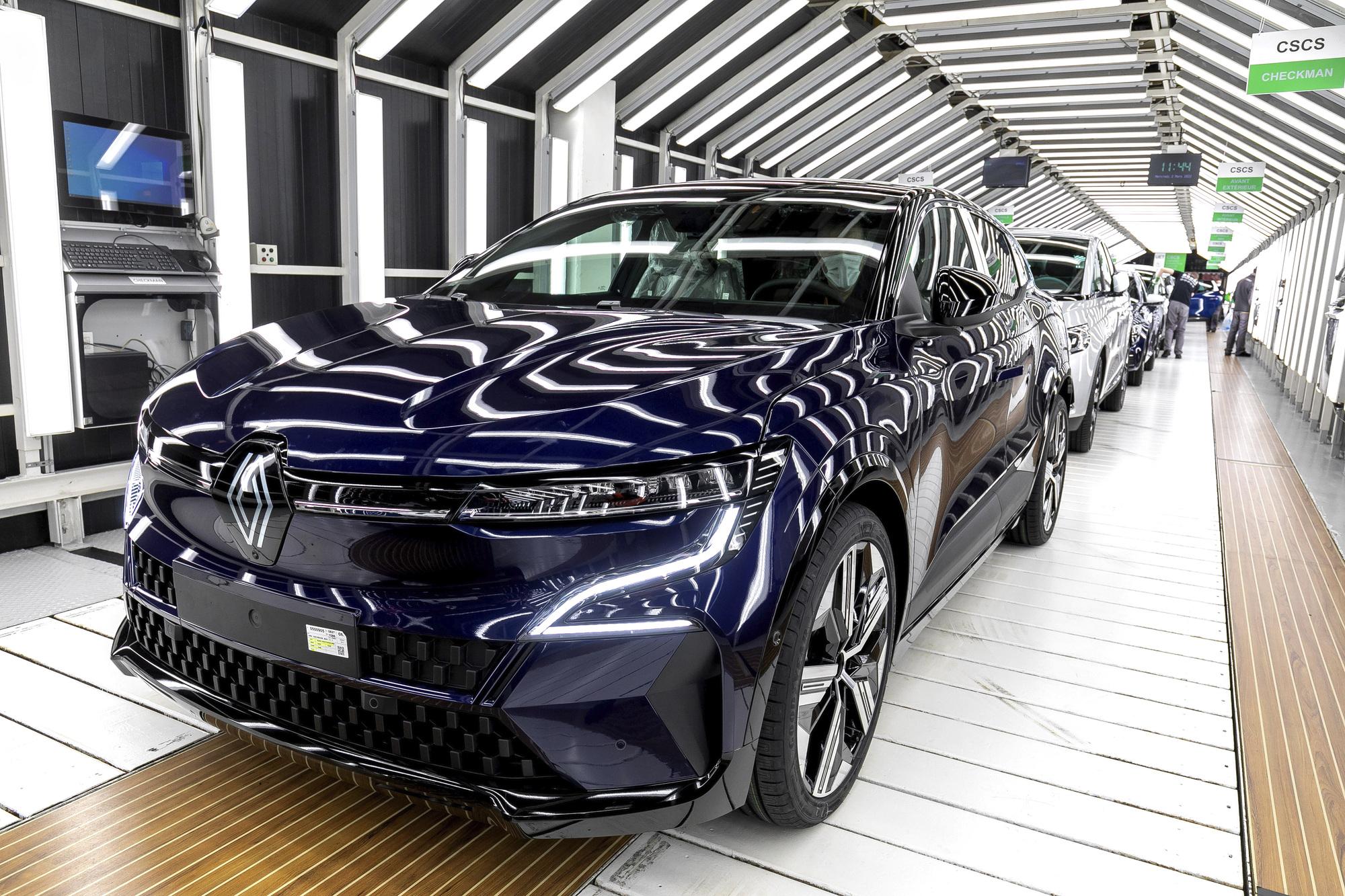
Renault Korea Motors, Renault S.A.'s South Korean division, unveils a strategic shift towards gasoline hybrid models while setting sights on an all-electric horizon to rejuvenate sales and cater to evolving consumer demands.
Currently, Renault Korea offers the hybrid electric version of the XM3 compact SUV as its sole gasoline hybrid model. In addition to this, the company presents three gasoline-powered vehicles, including the XM3, QM6 SUV, and SM6 midsize sedan.
As part of their efforts to expand the lineup, Renault Korea's CEO, Stephane Deblaise, revealed plans to introduce a midsized gasoline hybrid SUV in the second half of next year under the Aurora 1 project, primarily focused on developing gasoline hybrid models.
While the immediate priority for Renault Korea is to introduce gasoline hybrid cars, the company also expressed its capability to produce all-electric vehicles, provided they find the right solutions for battery electric vehicles (BEVs). In this regard, Renault Korea remains open to partnerships with Korean companies specialized in car battery manufacturing, such as LG Energy Solution, SK On, and Samsung SDI Co.
Renault Korea initiated a joint project with Geely Automobile Holdings, China's prominent privately owned automotive group, to develop a new gasoline hybrid SUV. This SUV will be built on the compact modular architecture (CMA) platform, which Geely and Volvo Cars jointly developed at Sweden's Chinese carmaker's research and development center.
Furthermore, Renault Group's strategic collaboration with Geely Holding Group aims to introduce all-new fuel-efficient hybrid electric vehicles (HEVs) and internal combustion engine models specifically tailored to the Korean and international markets. However, no plans exist to include gasoline hybrid versions of the SM6 and QM6 in the current lineup.
In anticipation of the upcoming era of BEVs, Renault Korea is in discussions with the South Korean government regarding the potential manufacturing of BEVs at its Busan plant, located 320 kilometers southeast of Seoul. Such a move would position Renault Korea well to tap into the growing demand for electric vehicles.
Renault Korea experienced a 25% decline in sales from January to July, with weak demand for its models being the primary contributing factor.
Photo: Renault Group Newsroom







