


 Pakistan Declares Emergency in Khyber Pakhtunkhwa, Suspends Imran Khan’s PTI Government
  US Judge Blocks Trump Administration’s Taxpayer-Funded Political Ads
  Trump Cancels Alabama Football Trip as Hurricane Isaias Approaches
  Trump Announces Russia-Ukraine Energy Ceasefire as Zelenskiy Awaits Details
  Brazil Election: Lula and Bolsonaro Rally Ahead of October 25 Runoff
  Flydubai Co-Pilot Planned Suicide Attack on Israel Airport, UAE Says
  Flavio Bolsonaro Leads Lula 49%-45% in Brazil Runoff Poll
  Zelenskiy Slams US-Russia Diesel Deal as Funding War
  Mahmoud Abbas Postpones Palestinian Elections to September 2027
  RFK Jr. Launches Nationwide Vaccine Safety Review
  Trump Calls for Zelenskyy Replacement Amid Russian Diesel Deal
  Trump Buys Up to $25M in Meta Stock, Invests in SpaceX Debt
  US, EU Push for Action Against Asia’s Excess Factory Capacity
  Zelenskiy Slams US Over Deadly Russian Strikes on Ukraine
  JD Vance Questions Pentagon Plan to Livestream Fort Hood Shooter’s Execution
  Venezuela’s Machado Calls for Elections by July 2027
  Russian Strikes Kill Six in Ukraine, Including Three in Kharkiv


 Add as a preferred source on Google
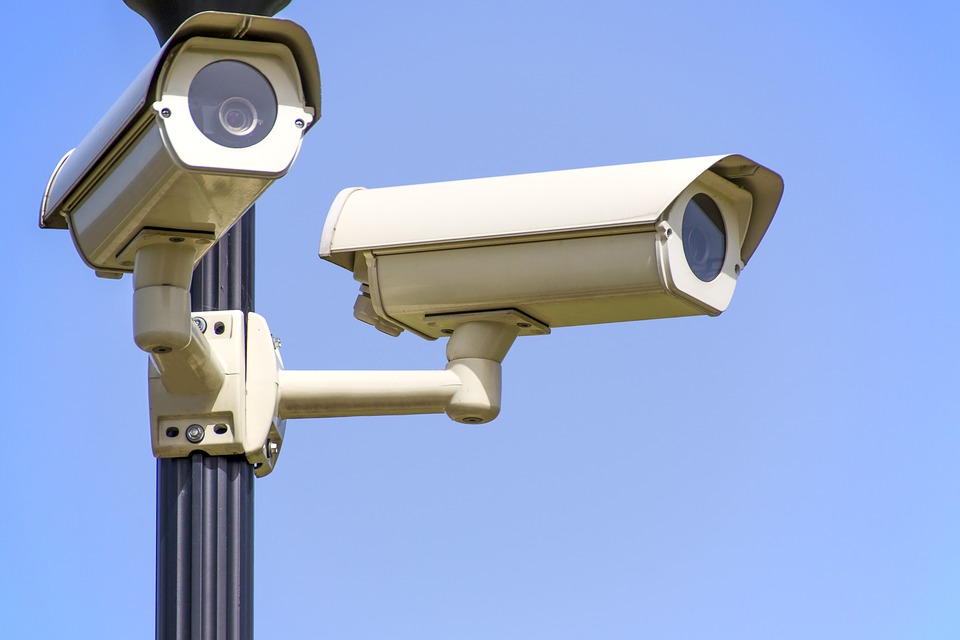
The Myanmar junta continues to crackdown on opponents of the regime all over the country. The military government has begun installing China-made surveillance cameras in more cities.
Reuters reports that the junta has begun rolling out surveillance cameras with facial recognition capabilities manufactured in China and installing them in more cities, according to people familiar with the matter. Those involved with the projects revealed that the plans to install such cameras are part of efforts to maintain security and somehow preserve civil peace.
Following the coup by the generals in February last year, local authorities have launched surveillance camera projects for at least five cities in Myanmar, including its fourth-largest city Mawlamyine. The new projects are in addition to the five cities where surveillance cameras are being touted as measures to prevent crime which were either installed or planned by the ousted government.
One of the sources familiar with the junta’s plans told Reuters of the junta’s plans to install surveillance systems in the country’s seven states and seven regions.
People familiar with the matter and human rights groups have expressed concerns that the new projects involving the surveillance systems would be used to crack down on activists and resistance groups opposing the regime, which the generals have designated as “terrorists.”
“Surveillance cameras pose a serious risk to democracy activists because the military and police can use them to track their movements, figure out connections between activists, identify safe houses, and other gathering spots, and recognize and intercept cars and motorcycles used by activists,” said Human Rights Watch Deputy Asia Director Phil Robertson to Reuters in a statement.
Previously, US Secretary of State Antony Blinken has urged the ASEAN regional grouping of countries to hold the junta accountable to its five-point peace consensus. Speaking at a news conference in Bangkok, Blinken said little progress was made in the agreement between ASEAN and the junta.
“The ASEAN countries need to hold the regime accountable for that … continue to demand the cessation of violence and release of prisoners,” said Blinken.
The nine-member countries of ASEAN and the coup leader Min Aung Hlaing signed an agreement in April last year that demanded the military cease the violence and encourage dialogue among all sides.







