NATO Secretary General Jens Stoltenberg called on Kosovo to ease tensions with Serbia following recent clashes between Serb residents and Kosovan police. The residents clashed with law enforcement protesting against an ethnic Albanian mayor taking office in areas where ethnic Serbs reside.
On Sunday, Stoltenberg called on Kosovo to de-escalate the tensions two days after clashes in northern Kosovo, which has a predominantly Serb population. Serb protesters clashed with Kosovan police against ethnic Albanian mayors taking office in Serb-dominated areas. The NATO chief said Pristina “must de-escalate & take unilateral, destabilizing steps.”
Stoltenberg also said he spoke with European Union foreign policy chief Josep Borrell about Kosovo and that both Pristina and Belgrade must engage in EU-led dialogue.
Serbs in northern Kosovo have refused to recognize Kosovo’s independence – declared in 2008 – and still, see Belgrade as its capital over 20 years since the war in 1999. During the recent local elections in April, Serbs refused to participate, and Albanian candidates ended up winning all four municipalities. Ethnic Albanians make up 90 percent of Kosovo’s population.
Serbia also does not recognize Kosovo’s independence and still sees it as its territory.
Friday last week, three out of the four mayors were escorted into their offices by the police, with protesters throwing rocks that were met with tear gas and water cannons. By Sunday, the mayors’ offices were still guarded by heavily armed authorities.
The embassies of the Quint group are made up of countries including the United States, Italy, France, Germany, and the United Kingdom, as well as the EU office in Pristina warned Kosovo against taking any other measures to force access into the municipality buildings. The US, EU, and the UK are Kosovo’s main backers.
Serbia criticized the NATO-led peacekeeping authorities for not taking enough action to stop the “brutal actions” by Kosovan police in northern Kosovo. Belgrade added that Serbia’s armed forces will be on high alert until further notice following the protests.
“Due to the brutal use of force by Albin Kurti and his forces against the Serbian people in Kosovo…the armed forces of the Republic of Serbia will remain at the highest level of combat readiness,” said a statement by the Serbian leadership, referring to Kosovan Prime Minister Albin Kurti.
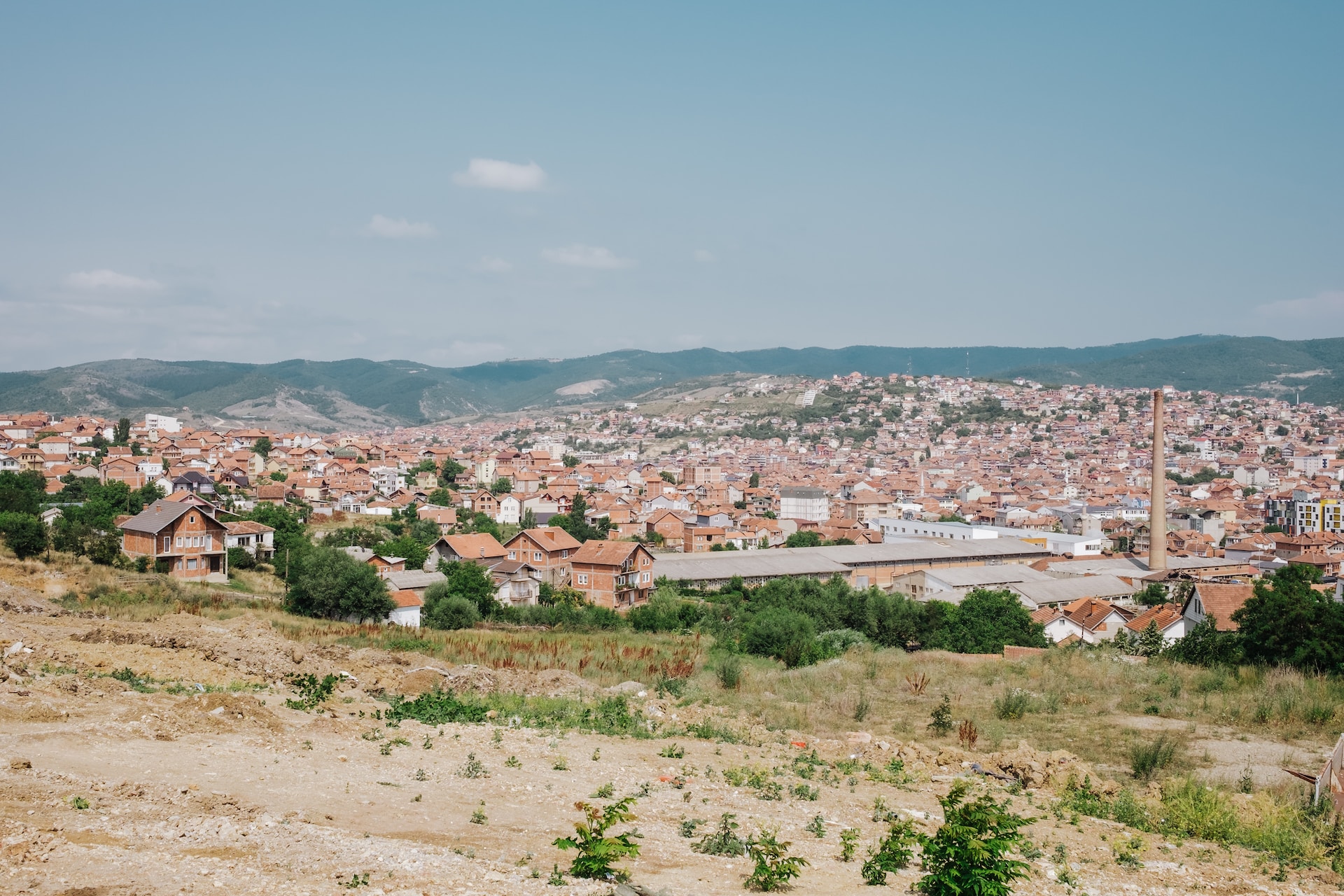
Photo by Mario Heller/Unsplash