The leaders of Kosovo and Serbia met in Brussels for talks to normalize ties while implementing the European Union’s 11-point normalization plan. However, the bloc’s foreign policy chief said the talks did not come to an agreement between both sides in easing the tensions in Northern Kosovo.
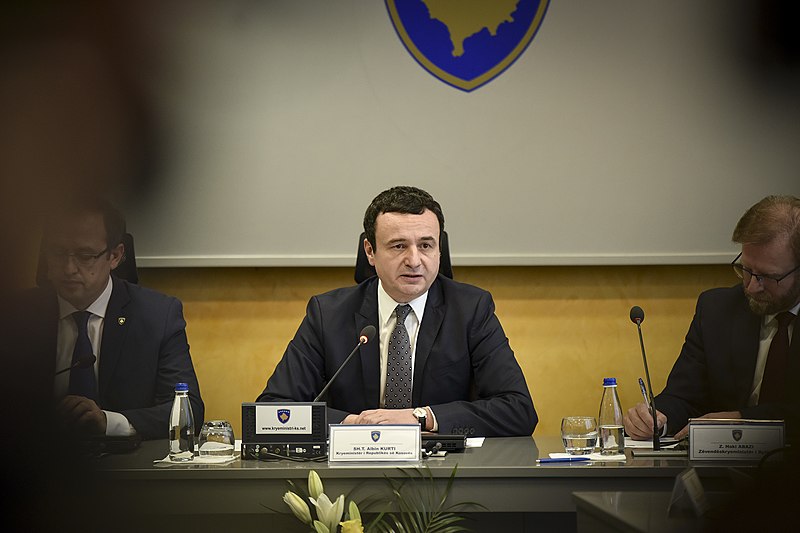
Serbian President Aleksandar Vucic and Kosovan Prime Minister Albin Kurti sat down for talks in Brussels with EU foreign policy chief Josep Borrell overseeing the discussions. The leaders were expected to discuss establishing a body made up of predominantly Serb municipalities in Kosovo, which gained independence in 2008 but Belgrade has refused to recognize. Kosovo’s overall population is over 90 percent ethnic Albanian.
Both sides were also expected to address the issue of over 1,600 people that still remain missing since the 1998-1999 Kosovo War, which broke out when ethnic Albanian separatists rebelled against Serbia and resulted in Belgrade enforcing a brutal crackdown. Around 13,000 people died from the conflict, most of which were also ethnic Albanians. By 1999, an intervention by the NATO Alliance forced Serbia to withdraw from the territory.
The proposal put forward by the bloc included normalizing ties between Serbia and Kosovo with their future paths toward gaining EU membership. Following Russia’s invasion of Ukraine in February last year, the EU and the United States have been intervening to ease tensions between the two nations.
A point of contention between the two sides was Serbia’s insistence that Kosovo implements the 2013 agreement that would establish an association of Northern Kosovo municipalities that have predominantly Serb populations. The Kosovan Constitutional Court has ruled such a plan was unconstitutional. Belgrade said that progress in the talks could only be made if the issue is addressed.
Vucic has since criticized Western officials, calling them liars and frauds and saying that the Serb minority would no longer tolerate foreign “occupation.”
The talks, however, did not result in any breakthrough, according to Borrell on Tuesday. Borrell also warned that any escalation would undermine the EU-brokered deal that aimed to normalize relations between the two nations. During the meeting between Vucic and Kurti, Borrell expressed “grave concern about the situation in north Kosovo” following the recent elections that produced a low turnout.
Borrell also urged both sides to compromise.