


 Saudi Arabia Probes Flydubai Cockpit Attack
  Pentagon Orders Iran Strike Preparations as Trump Weighs Military Action
  US Suspends Microsoft, Adobe From Green Card Program
  US Charges Maduro and Wife With Torture Conspiracy
  US, EU Push for Action Against Asia’s Excess Factory Capacity
  Trump Backs Florida Golf Course as Presidential Retreat
  US, Greece Launch New Counterterrorism Security Program
  Italy Approves Electoral Reform Ahead of 2027 Election
  Trump Buys Up to $25M in Meta Stock, Invests in SpaceX Debt
  Tsai Warns of China’s Sustained Pressure on Taiwan
  Trump Says He Deserves 2026 Nobel Peace Prize Despite Uncertain Chances
  US-Taiwan Ties Remain Strong as Taipei Urges Timely Arms Deliveries
  Zelenskiy Criticizes US as Russian Strikes Kill 78 in Ukraine
  Flavio Bolsonaro Leads Lula 49%-45% in Brazil Runoff Poll
  Hegseth Praises USS Abraham Lincoln Crew After Record Iran War Deployment
  Trump Rallies in Texas as Republicans Face Tight Midterm Races
  US Pressures Allies to Distance From Anti-Disinformation Conference


 Add as a preferred source on Google
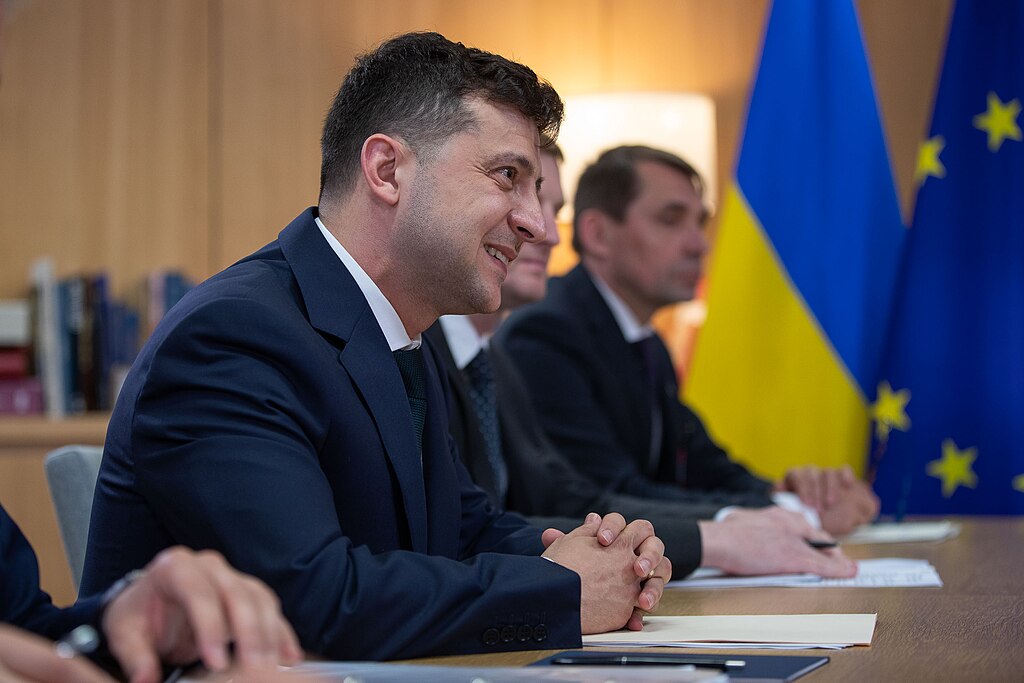
Ukrainian President Volodymyr Zelenskiy has urged Kyiv’s allies to strengthen their support and send a clear signal to Moscow that continuing the war against Ukraine is futile, ahead of a crucial European Union summit focused on frozen Russian assets. Speaking in his nightly address on Wednesday, Zelenskiy emphasized that decisions taken by European leaders would shape the future security of the continent and determine whether Russia believes it can prolong the conflict into next year.
Zelenskiy called on Ukraine’s partners to approve the use of nearly $250 billion in frozen Russian sovereign assets held within the European Union, most of which are managed by Belgium-based financial services company Euroclear. He proposed that these assets be leveraged to support loans for Ukraine, helping to stabilize the country’s economy and sustain its defense efforts amid ongoing Russian attacks.
Last week, EU governments agreed to keep the Russian assets frozen indefinitely, removing the previous requirement to renew the freeze every six months. While the move was welcomed by Ukraine, Zelenskiy noted that some European leaders remain hesitant about using the funds directly, citing concerns over potential legal risks and financial precedents.
“We need our partners to have the courage to see the truth and act on it,” Zelenskiy said, adding that Russia’s military actions clearly show its intention to continue fighting. He also pushed back against claims from some U.S. allies that Moscow may be seeking an end to the war, arguing that Russia’s rhetoric and military orders suggest the opposite.
In Moscow, Russian President Vladimir Putin reinforced those concerns by stating that Russia would seize more Ukrainian territory by force if Kyiv and European leaders failed to engage with U.S.-backed peace proposals. His comments highlighted the stark divide between diplomatic rhetoric and battlefield realities as the war grinds on.
As the EU summit approaches, the debate over frozen Russian assets has become a central issue in determining how Europe can maintain long-term support for Ukraine while increasing pressure on Russia to reconsider its strategy.







